Finance · Banking
Daiwa Asset Management Expands Headcount to Capture Institutional Money
Tokyo fund house targets pension funds and universities in strategic pivot away from retail dominance
KEY TAKEAWAYS
- ·Daiwa Asset Management is increasing headcount to pursue pension funds and university endowments as retail inflows stagnate in Japan.
- ·Pension assets across Asia-Pacific are expected to surpass USD 10 trillion by 2030, creating opportunities for managers with institutional capabilities.
- ·The strategic shift reflects broader pressure on Japanese fund houses to compete with foreign firms and adapt to demographic decline.
Strategic Pivot in Tokyo
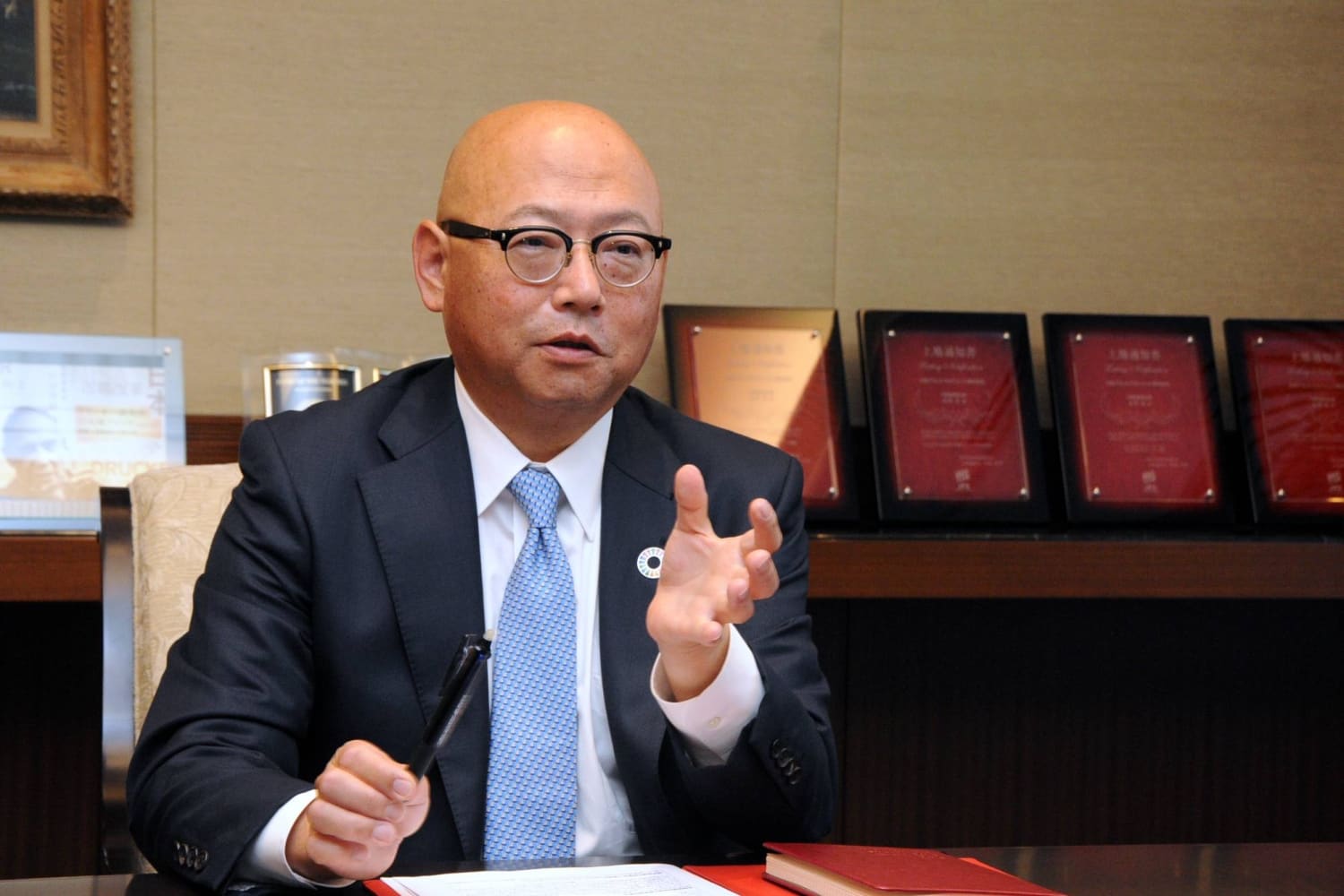
Daiwa Asset Management is expanding its employee base as part of a deliberate move to win business from institutional clients, according to Kei Sano, the firm's president. The Tokyo-based fund manager is eyeing pension funds and university endowments as growth channels, a departure from the retail-heavy distribution model that has long characterized Japan's asset management industry.
The hiring push reflects broader structural challenges facing Japanese fund houses. Retail assets under management have stagnated as the country's aging population draws down savings rather than accumulating them. Meanwhile, institutional allocators in the region are becoming more sophisticated, searching for managers who can deliver diversified strategies and meet governance standards that retail-focused teams often lack the bandwidth to provide.
Daiwa Asset Management oversees one of Japan's largest pools of mutual fund capital, but like many domestic peers, it has historically leaned on retail distribution through bank branches and postal networks. That model is under pressure. Net inflows to Japanese equity funds have been uneven over the past three years, and bond fund redemptions have accelerated as retail investors shift into cash or foreign currency deposits amid yen volatility.
Institutional Appetite in Asia
The institutional opportunity Sano is targeting is real and growing. Pension assets across Asia-Pacific are projected to exceed USD 10 trillion by 2030, driven by reforms in Japan, South Korea, and Taiwan that are pushing defined-benefit schemes to diversify beyond domestic government bonds. University endowments in the region, though smaller than their U.S. counterparts, are also professionalizing their investment committees and seeking managers who can provide access to alternatives, global equities, and thematic strategies.
Japanese pension funds in particular have been rotating out of low-yielding domestic debt and into foreign equities and private markets. The Government Pension Investment Fund, the world's largest public pension, has been a visible leader in this shift, but smaller corporate and regional pension plans are following suit. That creates an opening for domestic managers who can package global strategies with local service and language support.
Daiwa's move also positions it to compete with foreign asset managers that have been gaining share in Japan's institutional market. Firms such as BlackRock, Vanguard, and Schroders have expanded their Tokyo offices and hired relationship managers fluent in the compliance and reporting requirements of Japanese institutional clients. Domestic managers have the home-court advantage of proximity and cultural familiarity, but they need the personnel and product depth to capitalize on it.
Workforce Expansion as Competitive Tool
Adding headcount is a direct way to signal seriousness to institutional buyers. Pension fund chief investment officers and university investment committees expect dedicated relationship managers, robust risk reporting, and the ability to customize mandates. Retail-focused teams, accustomed to high-volume, low-touch distribution, often cannot meet those expectations without significant investment in people and systems.
Sano's strategy also reflects lessons from other markets. In South Korea, asset managers such as Mirae Asset and Samsung Asset Management scaled their institutional businesses by hiring portfolio managers and client service specialists away from global firms. In Singapore, local managers have built institutional franchises by embedding themselves in the region's pension and sovereign wealth community. Daiwa appears to be taking a similar path, betting that scale and specialization will unlock a revenue stream less vulnerable to demographic decline.
The timing is notable. Japan's Financial Services Agency has been encouraging consolidation and professionalization in the asset management industry, arguing that too many small, undifferentiated managers compete for a shrinking retail base. Larger firms with the resources to invest in institutional capabilities are likely to gain regulatory favor and market share. Daiwa's expansion fits that narrative.
Broader Implications for Japan's Fund Industry
If Daiwa succeeds, it may accelerate a broader reorientation of Japan's asset management sector. Retail mutual funds will remain important, but the growth trajectory is shifting toward institutional clients who demand transparency, performance, and alignment of interest. Managers who cannot make that transition risk marginalization as foreign firms and well-capitalized domestic competitors capture the high-value segment of the market.
The institutional pivot also has implications for product development. Pension funds and endowments want access to private equity, infrastructure, real assets, and ESG-integrated strategies. Retail funds, constrained by daily liquidity and regulatory simplicity, cannot easily offer those exposures. Daiwa will need to build or acquire capabilities in illiquid alternatives if it wants to compete for the largest institutional mandates.
For investors and competitors watching this space, the key question is execution. Hiring is the easy part; building a reputation for institutional-grade performance and service takes years. Daiwa has brand recognition and scale, but it will face entrenched competition from both global giants and nimble local specialists. The outcome will depend on how quickly the firm can retrain its culture, retool its product suite, and demonstrate that it can deliver for clients whose expectations are far more demanding than those of the retail base it has served for decades.
The shift Sano is leading is not just about Daiwa. It is a test case for whether Japan's established fund managers can adapt to a market that is aging, globalizing, and institutionalizing all at once. The next few years will reveal whether legacy players can reinvent themselves or whether the future belongs to new entrants unburdened by retail heritage.
RELATED STORIES
SoftBank Prices ¥1 Trillion Retail Bond in Largest Offering Since 2020
Aiko Nakamura · 3 min
Japan Tightens Oversight of Cross-Border Lending to Shadow Banks
Aiko Nakamura · 2 min

Bank of Japan Eyes Rate Increase as Inflation Risks Mount
Cheng Wei-Lun · 4 min
Japan's 10-Year Bond Yield Breaches 3% for First Time Since 1996
Aiko Nakamura · 4 min
Spot something wrong? Email editor@briefasia.com. We log every correction publicly.