Asia · Business
Crystal Bridges Commits PHP 6.7 Billion to Overhaul Manila Water Asset
Lucio Co's holding company moves to upgrade recently acquired Primewater utility network as Philippines grapples with aging infrastructure and surging demand
KEY TAKEAWAYS
- ·Crystal Bridges Holdings has committed more than PHP 6.7 billion to rehabilitate and expand Primewater Infrastructure Corp. following its May acquisition.
- ·The investment targets aging water networks in the Philippines, where non-revenue water losses in some districts exceed 40 percent.
- ·Success or failure of the program will influence private capital appetite for Philippine water utilities amid regulatory and execution risks.
A Major Capital Push for Water Infrastructure
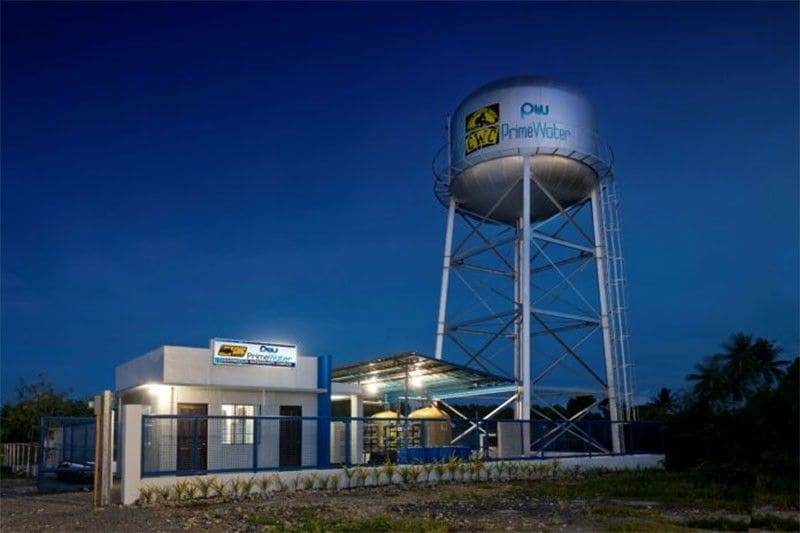
Crystal Bridges Holdings Corp. has committed more than PHP 6.7 billion to rehabilitate and expand Primewater Infrastructure Corp., marking the first phase of a comprehensive upgrade plan for the water utility. The holding company, controlled by the family of retail magnate Lucio Co, completed its acquisition of Primewater in May and is now moving aggressively to modernize the asset.
The investment comes as the Philippines confronts a dual challenge: aging water distribution networks built decades ago and rapidly expanding urban populations that strain existing capacity. Metro Manila and surrounding provinces have seen water demand climb steadily over the past five years, driven by population growth, commercial development, and rising household consumption.
Primewater operates in multiple provinces across the Philippines, serving both residential and commercial customers. The utility has long faced criticism over service reliability, with complaints about water pressure, supply interruptions, and aging pipes that lead to high levels of non-revenue water through leaks and theft. Industry data show that non-revenue water in some Philippine water districts can exceed 40 percent, well above the 15 percent benchmark considered acceptable by international standards.
The Co Family's Infrastructure Play
Lucio Co, who built his fortune through the Puregold supermarket chain and a sprawling retail empire, has been diversifying into infrastructure and utilities over the past decade. The Primewater acquisition represents one of his largest moves into the water sector, a segment that has attracted significant private capital in Southeast Asia as governments seek partners to upgrade aging systems.
Crystal Bridges Holdings serves as the investment vehicle for the Co family's infrastructure portfolio. The holding company has previously invested in logistics, real estate, and energy projects, but the Primewater deal signals a more focused bet on essential utilities. Water concessions in the Philippines typically run for 25 to 30 years, offering stable, regulated returns that appeal to long-term investors.
The PHP 6.7 billion earmarked for the initial phase will likely focus on pipeline replacement, treatment plant upgrades, and expansion into underserved areas. Water utilities in the Philippines have historically underinvested in maintenance, leading to deteriorating infrastructure that requires significant capital infusions when ownership changes hands.
Regional Context and Competitive Landscape
The Philippines water sector has seen increased consolidation over the past three years, with conglomerates and foreign investors acquiring stakes in provincial water districts. Metro Pacific Investments Corp., controlled by the Pangilinan family and First Pacific, operates Maynilad Water Services, one of the two concessionaires serving Metro Manila. Ayala Corp. holds Manila Water Company, which serves the eastern half of the capital.
Outside Metro Manila, the landscape is more fragmented, with dozens of smaller water districts and private utilities serving cities and provinces. Primewater competes in this space, where service quality varies widely and regulatory oversight is less stringent than in the capital. The entry of well-capitalized holding companies like Crystal Bridges has the potential to raise standards, but execution remains the key challenge.
Across Southeast Asia, water infrastructure investment has become a priority as urbanization accelerates. Indonesia, Vietnam, and Thailand have all launched programs to attract private capital into water and wastewater systems. The Asian Development Bank estimates that Southeast Asia needs to invest more than USD 100 billion in water infrastructure over the next decade to meet demand and replace aging assets.
Regulatory and Execution Risks
Philippine water utilities operate under concession agreements with local government units or the Metropolitan Waterworks and Sewerage System, which sets tariff levels and service standards. Rate increases require regulatory approval, often a politically sensitive process that can delay cost recovery for capital investments.
Crystal Bridges will need to navigate this regulatory environment as it deploys capital into Primewater. The company must balance the need to recover its investment through tariffs with political pressure to keep water rates affordable for low-income households. Previous rate adjustment applications by water concessionaires have faced public backlash, complicating the financial planning for major rehabilitation programs.
Execution risk is also significant. Large-scale pipeline replacement and treatment plant construction require coordination with local governments, land acquisition, and skilled contractors. Delays and cost overruns are common in Philippine infrastructure projects, where permitting can be slow and supply chains for specialized equipment are often constrained.
What Comes Next
The PHP 6.7 billion initial phase suggests that Crystal Bridges envisions a multi-year, multi-phase investment program for Primewater. Industry observers expect subsequent phases to target customer acquisition in growth areas and the rollout of digital metering systems to reduce non-revenue water. Smart meters and leak detection technology have gained traction in other Southeast Asian markets, and the Philippines is beginning to adopt these tools.
The success of the Primewater rehabilitation will serve as a test case for private capital in Philippine water utilities. If Crystal Bridges can demonstrate improved service quality, reduced water losses, and sustainable returns, it may encourage other holding companies to pursue similar acquisitions. Conversely, if the project encounters regulatory delays or cost overruns, it could dampen enthusiasm for water sector investments.
For now, the Co family is signaling confidence in the long-term prospects of Philippine water infrastructure. The commitment of more than PHP 6.7 billion in the first phase alone underscores the scale of the challenge and the capital required to bring aging systems up to modern standards.
RELATED STORIES
Philippine Water Operator Earmarks $400 Million for Southeast Asia Expansion
Mariel D. Santos · 2 min

Philippines Energy Budget Climbs 26% as Electric Vehicle Funding Surges
Priyanka V. Rao · 3 min
Five ASEAN Members Back Regional Oil Stockpile as Study Nears Completion
Tran Quoc Bao · 3 min
Philippine Manufacturing Expands at Fastest Pace Since 2016
Priyanka V. Rao · 3 min
Spot something wrong? Email editor@briefasia.com. We log every correction publicly.