Sustainability · ESG
Climate Target Body Opens Door to Southeast Asian Producers on Land-Use Rules
SBTi wants direct input from the region's palm oil, rice, and timber sectors as it overhauls its framework for measuring emissions and carbon removals tied to agriculture and forestry.
KEY TAKEAWAYS
- ·Science Based Targets initiative is collecting operational data from Southeast Asian palm oil, rice, timber, and seafood companies to shape Version 2 of its FLAG Standard, with evidence submissions closing 8 October.
- ·The current framework requires firms to separately account for land-related emissions and removals; over 260 companies have validated FLAG targets, with 91 per cent reporting positive outcomes.
- ·Land-based activities generate 22 per cent of global greenhouse gas emissions, and SBTi aims to reflect regional supply-chain realities in the revised standard due after a 12-month development cycle.
Seeking Field Evidence from the Region's Agri-Exporters
The Science Based Targets initiative has launched a consultation round specifically targeting Southeast Asian companies, aiming to gather operational evidence that will inform the next iteration of its land-sector emissions framework.
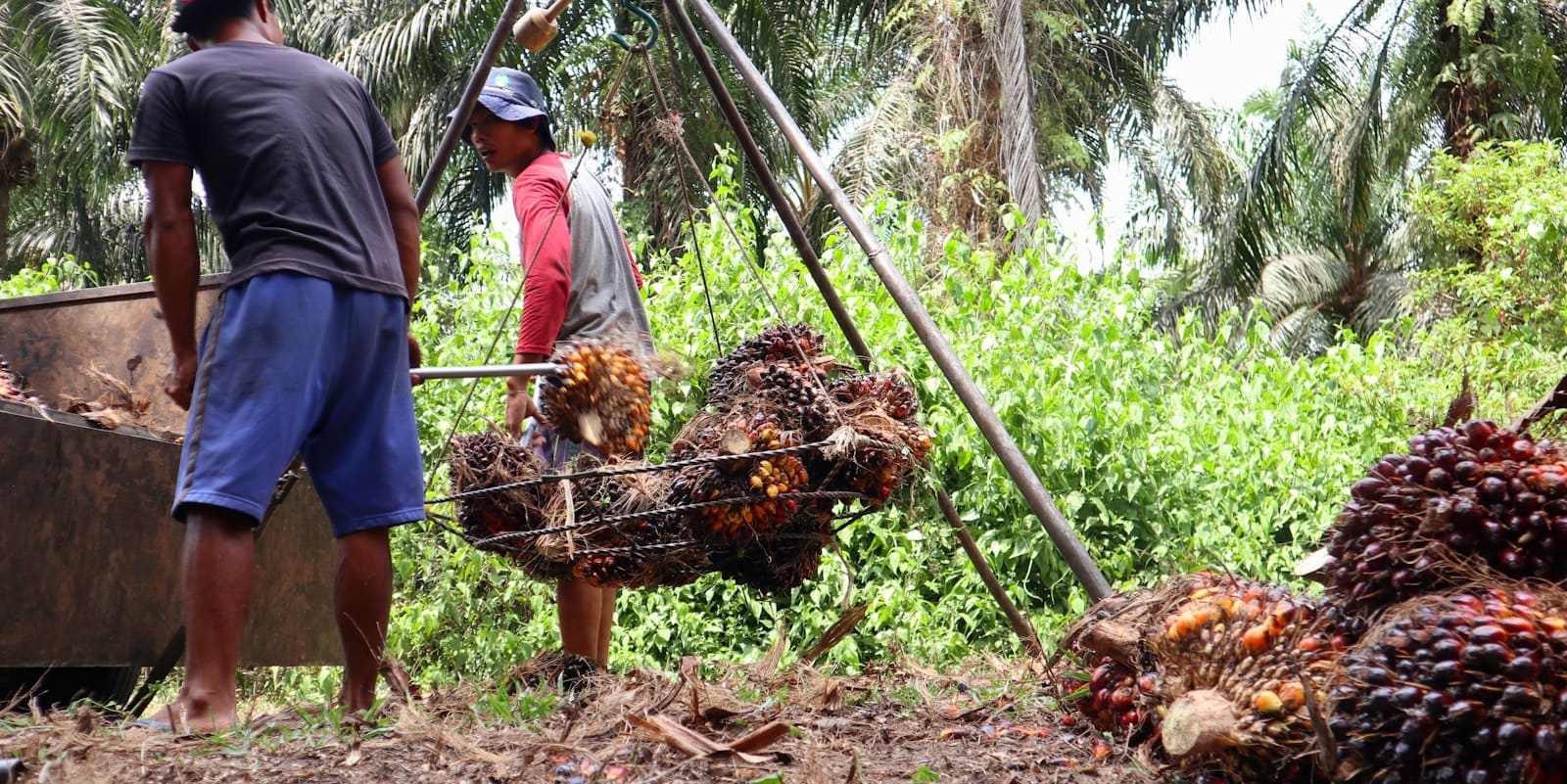
The organisation wants businesses in the region's palm oil, rubber, rice, timber, and seafood industries to submit data on their supply-chain models, commodity footprints, and the practical hurdles they face when tracking land-based greenhouse gas inventories. Southeast Asia accounts for 8.2 per cent of global agri-food exports, making regional participation essential to building a credible global standard, according to SBTi.
Companies can register for virtual stakeholder sessions until 8 September, with written evidence submissions closing on 8 October. SBTi indicated that development of the revised standard will take more than a year and will incorporate pilot programmes and expert working groups alongside the consultation data.
What FLAG Requires Today
The current FLAG framework, developed in partnership with WWF and multinational firms including Cargill, Danone, IKEA, Mars, Nestlé, PepsiCo, and Walmart, mandates that companies isolate land-related emissions and removals into a separate accounting stream instead of bundling them into general Scope 3 categories.
Under the existing guidance, firms must measure and set reduction goals for emissions from deforestation, land conversion, fertiliser application, livestock, farming operations, and timber extraction. They must also account for carbon removals generated by reforestation, agroforestry, improved forest stewardship, and soil-carbon sequestration practices.
More than 260 companies globally have submitted FLAG targets for validation, with 149 of those aligned to net-zero pathways. A survey of 171 companies with science-based targets found that 91 per cent reported positive outcomes, while two-thirds said the commitments strengthened their competitive position. Roughly 71 per cent indicated the targets improved their readiness for regulatory shifts, and 92 per cent cited neutral or favourable long-term financial impacts.
Why the Revision Matters
Land-based activities contribute 22 per cent of global greenhouse gas output, trailing only energy and industry. At the same time, these systems face mounting pressure from ecosystem decline, biodiversity loss, and climate volatility, creating a dual imperative for companies embedded in agricultural and forestry value chains.
SBTi said the revision process will examine how regional regulations, geographic conditions, supply-chain architectures, and commodity profiles shape a company's capacity to meet FLAG requirements. The organisation emphasised that broader participation will produce a more robust evidence base, particularly from regions that have been underrepresented in previous consultations.
A spokesperson for SBTi told Eco-Business that the exercise offers Southeast Asian firms a direct channel to influence the standard's design and ensure it reflects diverse operational contexts.
What Comes Next
Firms are encouraged to continue setting targets under the current FLAG Guidance Version 1.2 while the overhaul proceeds. The consultation findings will feed into public comment periods, pilot testing rounds, and technical working groups before Version 2 is finalised.
The land sector remains a critical lever in the global net-zero transition, and integrating land-based decarbonisation into corporate strategy is becoming a baseline expectation for companies operating in agriculture, forestry, and related supply chains. The updated standard will test whether a more inclusive design process can translate into higher adoption rates and more credible climate commitments across Asia's most land-intensive industries.
RELATED STORIES
Southeast Asian Firms Race to Raise Green Debt as Region Falls Behind on Renewables
Priyanka V. Rao · 3 min

Five ASEAN Members Back Regional Oil Stockpile as Study Nears Completion
Tran Quoc Bao · 3 min

Southeast Asian Firms Overlook Digital Pact Worth USD 2 Trillion
Lim Hui Ying · 4 min

Southeast Asia's Data Centre Rush Faces Power Grid Reality
Mariel D. Santos · 4 min
Spot something wrong? Email editor@briefasia.com. We log every correction publicly.