Travel & Dining · Trends
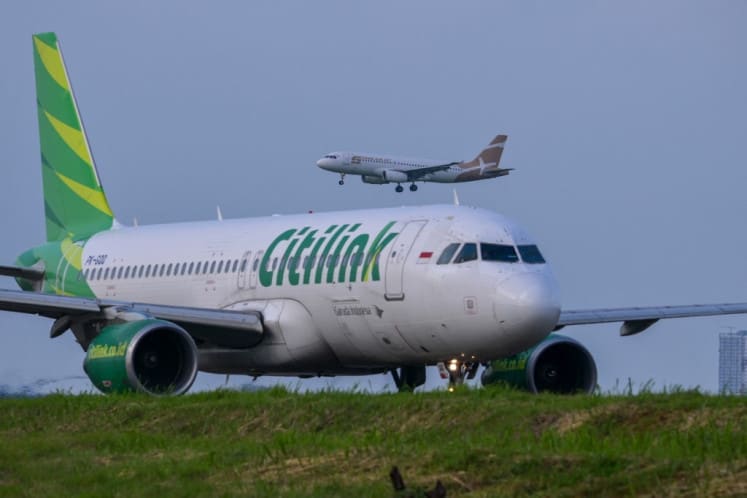
Citilink Grows Fleet 21 Percent With Danantara Capital Backing
The Indonesian low-cost carrier added seven aircraft in six months as parent Garuda Indonesia channels state holding company funds into fleet and maintenance infrastructure.
KEY TAKEAWAYS
- ·Citilink expanded its fleet to 43 aircraft in the first half of 2026, a 21 percent increase driven by state holding company Danantara's nearly $370 million investment into parent Garuda Indonesia.
- ·The funding is designated as first-phase capital, primarily targeting maintenance, repair, and overhaul infrastructure to reduce turnaround times and support sustained fleet growth.
- ·The expansion positions Citilink to capture rising domestic demand and compete more effectively against Lion Air and regional low-cost rivals across Southeast Asia.
Fleet Expansion Tied to State Capital Injection
Citilink now operates 43 aircraft, marking a 21 percent expansion in the first six months of 2026 compared to the previous semester. The Indonesian budget carrier's growth is part of a broader capital deployment by Danantara, the state holding company that injected nearly $370 million into Garuda Indonesia during the first phase of a restructuring program aimed at strengthening the parent airline's maintenance, repair, and overhaul capabilities.
The funding represents one of the largest single capital infusions into Indonesia's aviation sector since the pandemic recovery began. Garuda Indonesia announced the carrier would use the capital to modernize its MRO infrastructure, a move that directly supports fleet expansion at its subsidiaries, including Citilink.
Strategic Role of Danantara in Aviation Recovery
Danantara was established as Indonesia's sovereign wealth vehicle to consolidate state-owned enterprises and channel investment into priority sectors. Aviation has been a focal point, particularly as domestic travel demand in Southeast Asia's largest economy continues to outpace pre-pandemic levels. The holding company's involvement signals government commitment to keeping national carriers competitive against regional low-cost rivals such as AirAsia and Lion Air.
The $370 million tranche is designated as first-phase funding, suggesting additional capital may follow depending on performance metrics and operational milestones. Garuda Indonesia has not disclosed the full scope of the multi-phase plan, but industry observers expect subsequent rounds to target route expansion and digital infrastructure.
MRO Capabilities as a Competitive Edge
Maintenance, repair, and overhaul operations have become a strategic priority for Indonesian carriers. By investing in MRO capacity, Garuda Indonesia reduces reliance on third-party service providers in Singapore and Malaysia, lowering turnaround times and operating costs. For Citilink, this translates into higher aircraft utilization rates and the ability to sustain a larger fleet without proportional increases in maintenance downtime.
The carrier's 21 percent fleet growth in just six months positions it to capture rising demand on domestic trunk routes, particularly between Jakarta, Surabaya, Bali, and secondary cities in Sumatra and Kalimantan. Citilink has historically focused on price-sensitive leisure travelers and small-business passengers, a segment that has rebounded strongly as Indonesia's middle class expands.
Implications for Indonesia's Aviation Landscape
Citilink's expansion comes at a time when Indonesia's aviation market is undergoing consolidation. Lion Air Group remains the dominant low-cost player, but Citilink's state backing and access to Garuda's network provide strategic advantages, including code-share opportunities and shared ground-handling infrastructure.
The fleet increase also reflects broader trends in Southeast Asian aviation, where governments are taking more active roles in supporting national carriers. Singapore's Temasek has deepened its involvement in Singapore Airlines, while Malaysia's sovereign funds have restructured Malaysia Airlines multiple times. Danantara's intervention follows this regional pattern, blending commercial objectives with strategic national interest.
For passengers, the fleet expansion is likely to translate into increased frequency on popular routes and potential entry into underserved markets. Citilink has not announced specific route additions tied to the new aircraft, but the carrier's historical growth pattern suggests a focus on connecting secondary cities to Jakarta and Bali hubs.
What Comes Next
The success of Citilink's expansion will hinge on Garuda Indonesia's ability to execute its MRO modernization plan and sustain operational efficiency gains. The carrier must also navigate volatile fuel prices and currency fluctuations, both of which have historically strained Indonesian airlines' margins.
Danantara's willingness to commit further capital in subsequent phases will likely depend on key performance indicators, including load factors, on-time performance, and cost per available seat kilometer. If the first phase delivers measurable improvements, additional funding could accelerate fleet growth beyond the current 43-aircraft mark and position Citilink as a stronger regional competitor.
For now, the 21 percent fleet expansion signals that Indonesia's aviation recovery is entering a new stage, one defined not just by demand recovery but by strategic capital deployment aimed at long-term competitiveness.
RELATED STORIES

Mixue Shutters 89 Stores Across Southeast Asia Amid Profit Decline
Siti Nuraini · 3 min

Indonesian Digital Banks Outpace Regional Peers on Deposits and Loan Growth
Priyanka V. Rao · 3 min

Southeast Asian Firms Overlook Digital Pact Worth USD 2 Trillion
Lim Hui Ying · 4 min
From Tourism Graduate to Indonesia Electronics Distributor: Wook Eyes IPO
Cheng Wei-Lun · 3 min
Spot something wrong? Email editor@briefasia.com. We log every correction publicly.