Asia · Trade
Chinese Manufacturers Hit MRO Supply Wall in Southeast Asia Expansion
Production capacity is flooding into Thailand, Vietnam, Indonesia, and Malaysia, but procurement infrastructure for maintenance and repair supplies is struggling to keep pace.
KEY TAKEAWAYS
- ·Southeast Asia's MRO market is forecast to exceed USD 58 billion by 2029, growing above 7 percent annually, as Chinese manufacturers relocate production capacity to Thailand, Vietnam, Indonesia, and Malaysia.
- ·Chinese factories are encountering procurement bottlenecks because regional MRO supply networks are fragmented, localized, and unable to match the scale and speed of industrial e-commerce systems in China.
- ·ZKH Industrial Supply is building a digital platform to aggregate suppliers and standardize transactions, aiming to reduce lead times and downtime costs for manufacturers operating across multiple Southeast Asian countries.
The Procurement Gap
Chinese manufacturers moving production lines to Thailand, Vietnam, Indonesia, and Malaysia are running into an unexpected obstacle: they can't reliably source the industrial consumables that keep factories running. Spare parts, lubricants, safety equipment, and maintenance supplies that were readily available in Shenzhen or Dongguan now require weeks of lead time or aren't stocked locally at all.
This bottleneck is emerging just as Southeast Asia absorbs a wave of relocated capacity across automotive, electronics, chemicals, and equipment manufacturing. The region's MRO market is projected to surpass USD 58 billion by 2029, growing above 7 percent annually, according to data from PSS Insight. But local distributors and logistics networks haven't scaled at the same speed as factory construction.
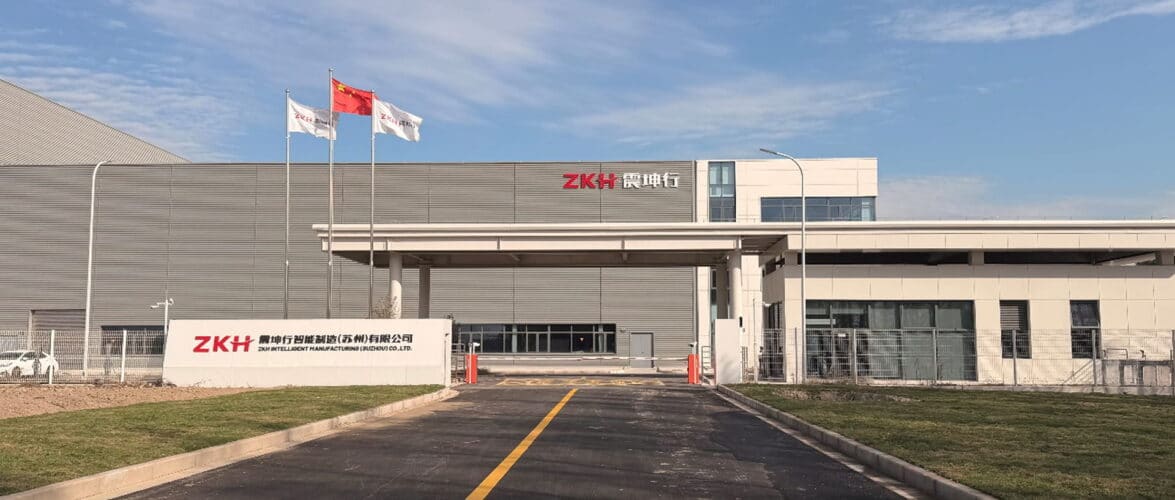
ZKH Industrial Supply, a procurement platform focused on serving Chinese enterprises operating in Southeast Asia, is positioning itself to fill that gap. The company has built a network connecting manufacturers with suppliers across the region, aiming to reduce the friction that has slowed production ramp-ups for new facilities.
Why Traditional Channels Are Failing
The problem isn't a shortage of industrial goods. It's fragmentation. Southeast Asia's MRO supply ecosystem is highly localized, with distributors operating in narrow geographies and serving established customer bases. A factory in Thailand can't easily tap a distributor in Vietnam, even when both are part of the same corporate group. Language barriers, unfamiliar payment terms, and inconsistent quality standards add layers of complexity.
Chinese manufacturers accustomed to consolidated procurement systems in their home market find themselves dealing with dozens of small vendors, each with different catalogs, pricing structures, and delivery timelines. When a production line stops because a bearing or filter isn't available, the cost quickly compounds. Downtime in high-volume manufacturing can run into tens of thousands of dollars per hour.
ZKH Industrial Supply operates a digital platform that aggregates suppliers and standardizes transactions. Manufacturers can search inventory, compare prices, and place orders in Mandarin or English, with logistics handled through the platform's network. The model borrows from China's industrial e-commerce sector, where platforms like 1688.com streamlined procurement for small and medium factories over the past decade.
The Timing of the Build-Out
The restructuring of global supply chains has accelerated since 2022, driven by a combination of geopolitical risk mitigation, tariff avoidance, and customer demand for geographic diversification. Chinese manufacturers in sectors facing export restrictions or heightened scrutiny have prioritized Southeast Asian sites. Electronics assembly, automotive parts production, and chemical processing have seen particularly heavy investment.
But infrastructure for industrial services has lagged. While governments in Thailand, Vietnam, and Indonesia have offered tax incentives and streamlined permitting for manufacturing projects, the supporting ecosystem of distributors, service providers, and logistics operators is still catching up. MRO procurement is a less visible but critical piece of that ecosystem.
ZKH Industrial Supply's approach is to embed itself early in the relocation process. The company works with manufacturers during site planning, mapping out their MRO needs and pre-qualifying suppliers before production begins. This front-loading reduces the risk of delays once operations start. The platform also handles customs clearance and cross-border logistics, which can be a significant pain point for factories ordering from multiple countries.
What Comes Next
The MRO bottleneck won't resolve itself quickly. Building out distributor networks, training local service teams, and establishing quality assurance standards takes years. In the meantime, manufacturers will continue to face higher costs and longer lead times than they experienced in China.
Platforms like ZKH Industrial Supply are a workaround, not a full solution. They can improve visibility and streamline transactions, but they don't replace the depth of local supplier relationships or the density of logistics infrastructure that China's manufacturing hubs developed over decades. Southeast Asia is still in the early stages of that build-out.
For now, Chinese manufacturers expanding in the region are learning to budget more time and money for procurement than their original financial models assumed. The factories are going up fast. The supply chains that keep them running are taking longer.
RELATED STORIES
Southeast Asian Factories Adopt Proximity Planning to Retain Workers and Investors
Lim Hui Ying · 3 min

Energy Infrastructure Deals Climb in Southeast Asia Amid AI Demand and Security Concerns
Cheng Wei-Lun · 4 min
China's Electric Truck Exports Surge as Fuel Costs Rise Across Asia
Cheng Wei-Lun · 3 min
WeRide Eyes Regional Push Across Australia and Asia-Pacific Markets
Cheng Wei-Lun · 2 min
Spot something wrong? Email editor@briefasia.com. We log every correction publicly.