Finance · Markets
Chinese Households Exit Property for Cash as Korea's Retail Traders Double Down on Leverage
Real estate's share of mainland family wealth has plunged 15 percentage points since mid-2021, while deposits surge and cautious equity positioning contrasts sharply with Seoul's margin-fueled stock boom
KEY TAKEAWAYS
- ·Property's share of Chinese household assets dropped to 52 per cent in Q1 2026 from 67 per cent in mid-2021, while cash and deposits rose to 25 per cent from 16 per cent.
- ·Chinese families are holding liquid reserves and testing cautious stock allocations, favoring blue-chips and dividends over speculative trades as developer debt and falling prices erode real estate confidence.
- ·South Korean retail investors are borrowing aggressively to fund equity bets at home and abroad, reflecting a structural shortage of alternatives and widening the financial-asset gap with mainland households.
A Generational Shift in Mainland Wealth Allocation
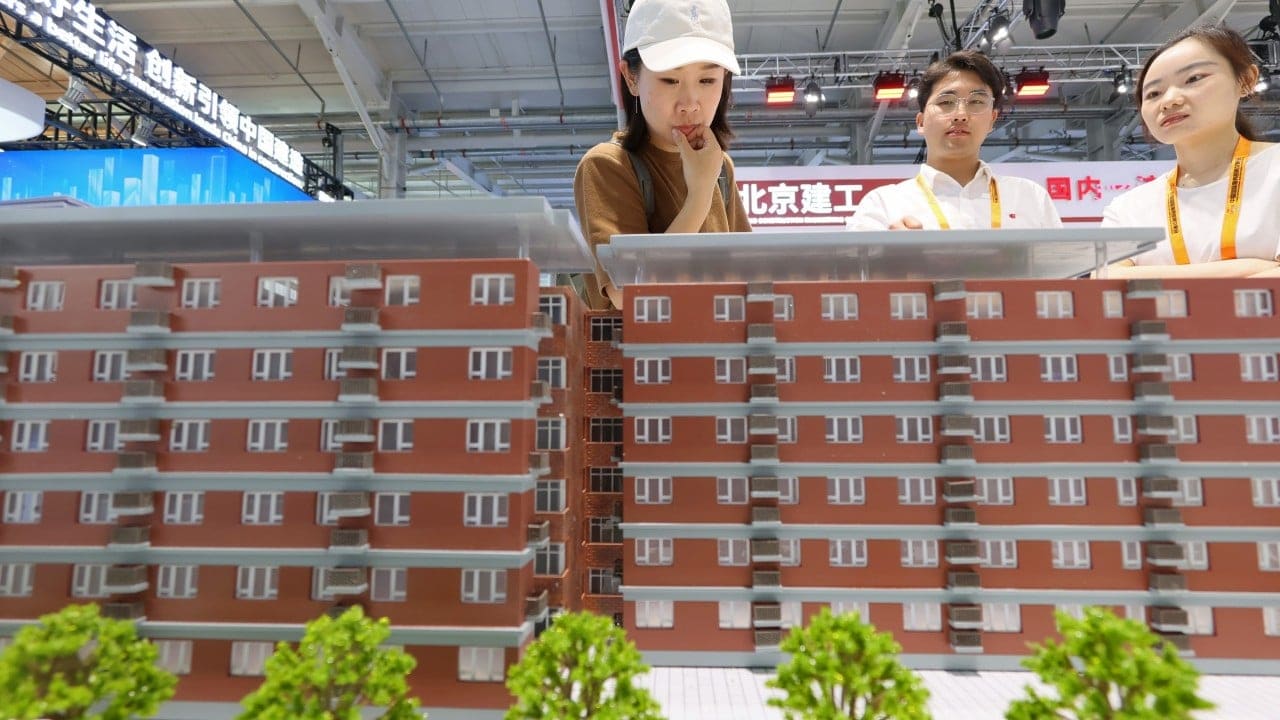
Chinese households are abandoning real estate at a pace not seen in decades. Property now accounts for 52 per cent of family assets in the first quarter of 2026, down from 67 per cent in mid-2021, while cash and bank deposits have climbed to 25 per cent from 16 per cent over the same stretch. The reversal marks the end of a two-decade consensus that treated apartments and land as the default store of value for the middle class.
The swing reflects tightening access to new property purchases, falling prices in second- and third-tier cities, and a collapse in confidence that real estate will deliver the double-digit appreciation families counted on through the 2010s. Developers remain mired in debt restructuring, and local governments have scaled back land auctions, narrowing the pipeline of new projects. For households that built wealth by trading up through successive apartment purchases, the playbook has stopped working.
Cash Hoarding and Tentative Equity Interest
The flood into deposits signals caution rather than confidence. Families are holding liquid reserves while they wait for clarity on policy direction, employment stability, and whether equity markets can sustain recent government-backed rallies. A smaller cohort is testing stock allocations, but the approach remains defensive. Retail investors are favoring blue-chip state-owned enterprises, dividend plays, and index funds over the speculative small-cap momentum trades that dominated earlier cycles.
Brokerage account openings have ticked higher in Shanghai and Shenzhen, yet trading volumes remain well below the peaks of 2015 and 2020. The hesitancy reflects scars from past boom-bust cycles and a perception that policy support for equities, while real, can reverse quickly. Wealth managers report that clients are asking about stocks for the first time in years but are allocating no more than 10 to 15 per cent of portfolios, keeping the bulk in time deposits and wealth management products with principal guarantees.
Korea's Opposite Playbook
The contrast with South Korea is stark. Retail investors there are borrowing aggressively to fund equity purchases, both at home and in overseas markets. Margin debt on the Korea Exchange has surged, and individual investors are routing record sums into U.S. technology stocks through local brokerages. The appetite for leverage reflects a structural shortage of domestic investment alternatives, a tax system that penalizes real estate holdings, and a belief that equity returns will outpace wage growth.
Korean households have long held a higher share of wealth in financial assets than their mainland counterparts, and that gap is widening. The willingness to use borrowed money to chase stock gains would be unthinkable for most Chinese families today, where deleveraging remains the dominant household strategy. Seoul's retail army is placing concentrated bets on individual names, while mainland investors are indexing or staying on the sidelines entirely.
Policy Implications and the Road Ahead
Beijing has rolled out measures to stabilize the property market, including lower down-payment requirements in select cities and eased restrictions on second-home purchases, but take-up has been muted. Families that watched neighbors lose deposits on unfinished projects or saw their own apartment values fall are in no hurry to re-enter. The shift toward cash and deposits creates its own challenges for policymakers, who need household spending and investment to support domestic consumption targets.
Efforts to channel savings into capital markets have intensified. Regulators have encouraged pension funds and insurers to raise equity allocations, and state media have promoted the idea of long-term stock ownership. Yet without a sustained track record of investor protection and transparent corporate governance, retail participation will remain shallow. The generation that grew wealthy from property is unlikely to replicate that conviction in equities without years of proof.
The divergence between Chinese caution and Korean aggression reflects different stages of financial development, different policy regimes, and different generational experiences with asset bubbles. For now, Chinese households are content to sit in cash, wait for opportunities, and avoid the mistakes that turned real estate from a wealth engine into a trap.
RELATED STORIES

LG Pivots to AI-Defined Vehicle Platform as Korea Chases China's Self-Driving Lead
Jun-ho Seo · 3 min

ByteDance Secures $29.6 Billion Credit Facility After Bank Demand Surges
Cheng Wei-Lun · 3 min
China's Social Security Fund Doubles Offshore Holdings to $86 Billion
Jun-ho Seo · 3 min

From Tourism Graduate to Indonesia Electronics Distributor: Wook Eyes IPO
Cheng Wei-Lun · 3 min
Spot something wrong? Email editor@briefasia.com. We log every correction publicly.