Lifestyle · Luxury
Chinese Heritage Brands Command Premium Pricing as Consumers Shift Away From Western Luxury
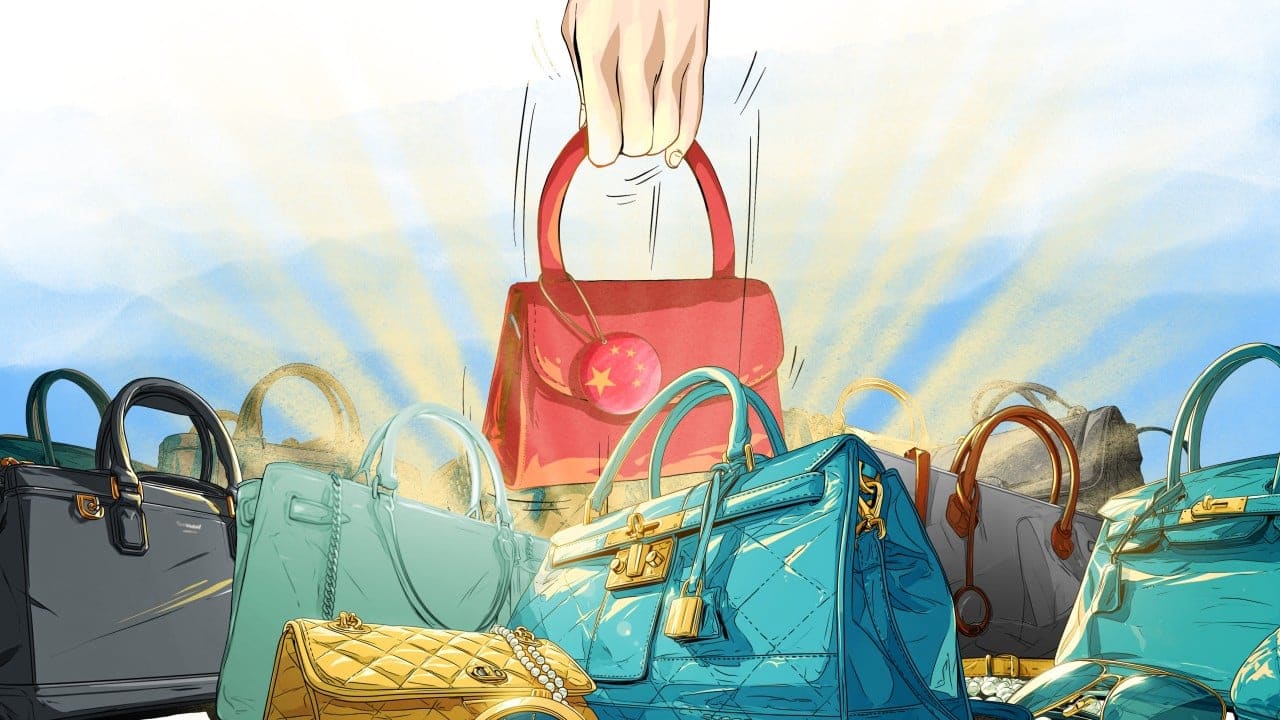
Domestic labels like Laopu Gold are charging double the market rate for precious metals while Western houses face slowing demand across Asia's largest luxury market.
KEY TAKEAWAYS
- ·A Chinese heritage jewellery brand charged 28,000 yuan for a 10-gram gold necklace, more than double the metal's market rate, as design value overtakes material cost in purchasing decisions.
- ·Domestic luxury labels are gaining market share from Western houses across China's major cities, with younger buyers prioritizing cultural resonance and modern Chinese aesthetics over traditional Western logos.
- ·The pricing power of Chinese heritage brands signals maturation in Asia's largest luxury market, with implications for retail strategy across Hong Kong, Singapore, Tokyo, and Seoul as Western conglomerates search for effective responses.
The Premium Play
A Shanghai software engineer recently paid 28,000 yuan for a 10-gram gold necklace, more than twice the prevailing spot price for the metal. The piece, a gourd-shaped pendant from Laopu Gold, represents a striking shift in how Chinese consumers value luxury goods. Design, not bullion content, drove the purchase decision.
Laopu Gold, a heritage jewellery brand, has emerged as one of several domestic labels reshaping the luxury landscape in Asia's largest consumer market. The willingness to pay significant premiums for Chinese-designed pieces signals a fundamental change in purchasing behavior that has implications across the region's luxury sector.
The Erosion of Western Dominance
Global luxury houses that once commanded unquestioned loyalty among Chinese consumers are losing ground. The shift is visible in both purchasing patterns and brand preference data collected across major cities. Younger buyers in particular are gravitating toward domestic labels that blend traditional Chinese aesthetics with modern design language.
This trend extends beyond jewellery. Chinese fashion labels, beauty brands, and accessory makers are gaining shelf space and wallet share. The appeal lies partly in cultural resonance, brands that reference Chinese heritage, use Mandarin in their branding, or incorporate traditional motifs without exoticizing them.
Price as Signal, Not Barrier
The premium pricing strategy employed by brands like Laopu Gold would have been unthinkable a decade ago, when Chinese luxury buyers sought validation through Western logos and provenance. Today, high prices serve as a quality signal rather than a deterrent. Consumers are demonstrating they will pay for perceived craftsmanship and design originality, regardless of where the brand originated.
This pricing power reflects a maturation of the Chinese luxury market. Early adopters chased recognizable logos; current buyers seek differentiation and personal expression. Domestic brands are positioned to capture that demand precisely because they are not encumbered by legacy associations with Western status symbols.
Regional Implications
The rise of Chinese luxury brands carries weight beyond the mainland. As Chinese consumers represent the largest cohort of luxury buyers globally, their preferences influence product development, marketing strategies, and retail footprints across Asia. Hong Kong, Singapore, Tokyo, and Seoul have all seen increased presence of Chinese heritage brands in premium retail districts.
For Western luxury conglomerates, the challenge is existential. They must decide whether to compete on cultural relevance in a market where they are increasingly seen as foreign, or to lean into their outsider status as a point of differentiation. Neither path is straightforward.
The jewellery category offers a particularly clear view of this dynamic. Gold has deep cultural significance in Chinese tradition, making it a natural category for domestic brands to reclaim. The fact that consumers are willing to pay double the material cost for design suggests brand equity is being built at pace.
What Comes Next
The trajectory of Chinese luxury brands will depend on their ability to maintain quality and design innovation as they scale. Heritage alone is not sufficient; brands must deliver product that justifies premium pricing on an ongoing basis. The risk of overexpansion or quality dilution looms.
For now, momentum is clearly with domestic players. The Shanghai engineer who paid a premium for her Laopu Gold necklace is not an outlier. She represents a generation of Chinese consumers who view luxury through a different lens, one where Western pedigree is optional and local heritage is valuable. That shift is reshaping the competitive landscape across Asia's luxury markets, and Western houses are still searching for an effective response.
RELATED STORIES

Midea Ships 200,000 Portable Air Conditioners to Europe in Six Months
Cheng Wei-Lun · 3 min

7-Eleven Owner Calls China Its Toughest Market Amid Subsidy Wars
Cheng Wei-Lun · 3 min
Asian Tech Stocks Surge as Weak US Jobs Data Dims Rate Hike Outlook
Cheng Wei-Lun · 4 min
Beijing's AI Bar Offers Free DeepSeek Access as Price Wars Reshape Global Market
Cheng Wei-Lun · 3 min
Spot something wrong? Email editor@briefasia.com. We log every correction publicly.