Lifestyle · Culture
Chinese Consumer Brands Expand US Footprint as Trade Tensions Persist
Pop Mart and other mainland companies are testing American markets through vending machines and retail partnerships despite diplomatic headwinds
KEY TAKEAWAYS
- ·Pop Mart has deployed automated Robo Shop vending machines in US shopping centers including California locations, testing market entry with minimal overhead while brand recognition remains low among American consumers.
- ·Chinese lifestyle brands including Miniso with over 60 US stores, Haidilao hotpot, and Heytea are expanding American presence despite ongoing trade tensions and tariff threats between Washington and Beijing.
- ·Consumer brands face fewer regulatory barriers than technology firms in cross-border expansion, allowing companies to build infrastructure incrementally while geopolitical scrutiny focuses on semiconductors and apps.
Testing Ground in Silicon Valley Suburbs
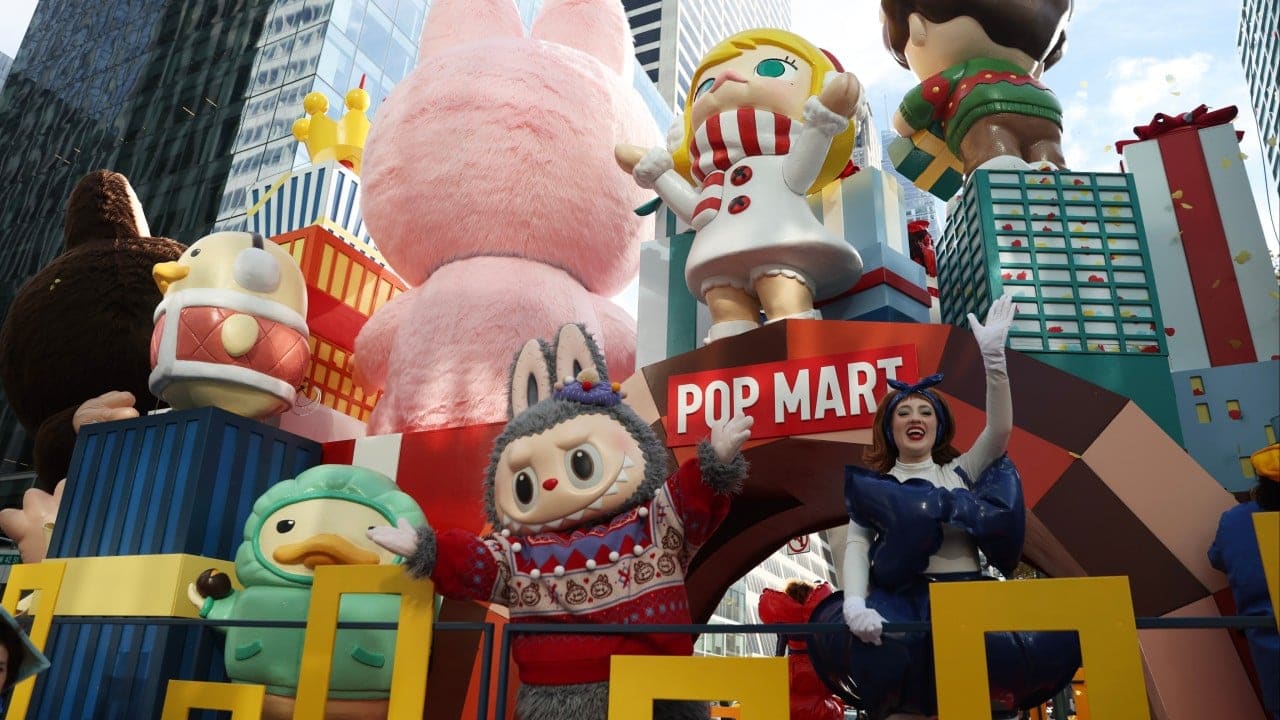
A vending machine sits on the walkway of Stoneridge Shopping Centre in Pleasanton, a San Francisco suburb better known for tech commuters than collectible toys. Inside the automated kiosk, rows of small plush figures stare out at passing shoppers. The machine belongs to Pop Mart, a Beijing-based company that has built a billion-dollar business selling blind-box figurines across Asia.
Most shoppers walk past without stopping. A handful recognize the brand name when asked. One mentions Labubu, the viral character with buck teeth that has dominated social media feeds from Bangkok to Manila. But foot traffic does not translate to sales, at least not visibly during a weekday afternoon.
The scene captures a broader dynamic unfolding across American retail centers. Chinese consumer brands are establishing physical presence in the United States at a moment when diplomatic relations remain strained and tariff threats cycle through headlines. The approach is methodical: small-format retail, low overhead, limited staff.
The Vending Machine Strategy
Pop Mart has deployed what it calls Robo Shops in shopping centers from California to Texas. The machines require no sales staff, minimal real estate, and can be stocked and monitored remotely. The model reduces the financial risk of entering a market where brand recognition remains nascent.
The company went public in Hong Kong in 2020 and has since expanded to more than 23 countries. Revenue reached 6.3 billion yuan in 2023, according to Pop Mart, with international sales accounting for a growing share. The US represents both opportunity and test case: a large consumer market with established toy retail channels but little familiarity with blind-box culture.
Blind boxes, which conceal the specific toy inside until purchase, have become a cultural phenomenon in China and Southeast Asia. Collectors buy multiple boxes hoping to complete sets or find rare variants. The model generates repeat purchases and secondary markets where sought-after figures trade at premiums.
Broader Pattern of Mainland Retail Expansion
Pop Mart is not alone. Other Chinese lifestyle brands have entered the US market using similar low-profile strategies. Miniso, the Guangzhou-based variety store chain, has opened more than 60 locations across the United States, often in suburban malls and outlet centers. The company positions itself as a Japanese-inspired design brand, though it is headquartered and listed in China.
Haidilao, the Sichuan hotpot chain, operates restaurants in several US cities. Heytea, a premium tea brand from Guangdong, opened its first US location in New York in late 2023. Manner Coffee, a Shanghai chain, has signaled plans for American expansion.
The timing appears counterintuitive. US-China relations have grown more fraught over the past five years, with both countries imposing tariffs, restricting technology transfers, and scrutinizing cross-border investments. Washington has moved to limit Chinese access to advanced semiconductors and scrutinize apps like TikTok. Beijing has responded with its own export controls and security reviews of foreign companies.
Navigating Diplomatic Headwinds
Consumer brands occupy a different space than technology firms or infrastructure companies. They face fewer regulatory barriers and less political scrutiny. A vending machine selling toys does not trigger the same national security concerns as a telecommunications network or a social media algorithm.
Still, the brands must navigate practical challenges. Supply chains remain subject to tariff adjustments. Consumer sentiment can shift if geopolitical tensions escalate. Brand recognition takes time to build in a market already crowded with established players.
Pop Mart's muted reception at Stoneridge illustrates the gap between Asian market dominance and American consumer awareness. In China, the brand operates flagship stores in major cities and commands premium retail space. In the US, it starts with vending machines in suburban corridors.
The Long Game
The strategy reflects a longer-term view. Chinese consumer companies are not expecting immediate market share gains. They are establishing infrastructure, testing product-market fit, and building distribution relationships. Vending machines and small-format stores serve as low-cost market research.
If brand awareness grows through social media or word-of-mouth, the infrastructure is already in place to scale. If a particular location or product line underperforms, the company can withdraw without significant losses.
This measured approach contrasts with the rapid expansion strategies that characterized earlier waves of Chinese outbound investment. Rather than acquiring established brands or opening flagship stores, the current generation of consumer companies is building presence incrementally.
What Comes Next
The trajectory of these brands will depend on factors beyond their control. Trade policy could shift depending on election cycles and diplomatic negotiations. Consumer attitudes toward Chinese products may harden or soften based on broader geopolitical developments.
For now, the vending machines remain. They stand as quiet markers of economic ambition operating beneath the surface of diplomatic tension. Whether they evolve into full retail presences or remain niche experiments will reveal much about the limits and possibilities of consumer brands in an era of strategic competition.
RELATED STORIES
7-Eleven Owner Calls China Its Toughest Market Amid Subsidy Wars
Cheng Wei-Lun · 3 min
BYD, Geely and Chery Crack Global Auto Top Ten
Cheng Wei-Lun · 3 min
Midea Ships 200,000 Portable Air Conditioners to Europe in Six Months
Cheng Wei-Lun · 3 min
Asian Tech Stocks Surge as Weak US Jobs Data Dims Rate Hike Outlook
Cheng Wei-Lun · 4 min
Spot something wrong? Email editor@briefasia.com. We log every correction publicly.