Finance · Markets
China's Yuan Appreciation Slows as Export Sector Faces Earnings Pressure
Central bank maneuvers to stabilize currency after rapid gains trigger profit warnings from manufacturers
KEY TAKEAWAYS
- ·China's yuan appreciation is slowing as the central bank intervenes following profit warnings from exporters hit by foreign exchange losses on dollar-denominated assets
- ·Manufacturers face margin pressure as stronger yuan makes exports more expensive and reduces the value of dollar receivables in yuan-denominated financial statements
- ·The People's Bank of China is balancing currency stability with export competitiveness through reference rate adjustments and liquidity management tools
Currency Stabilization Efforts
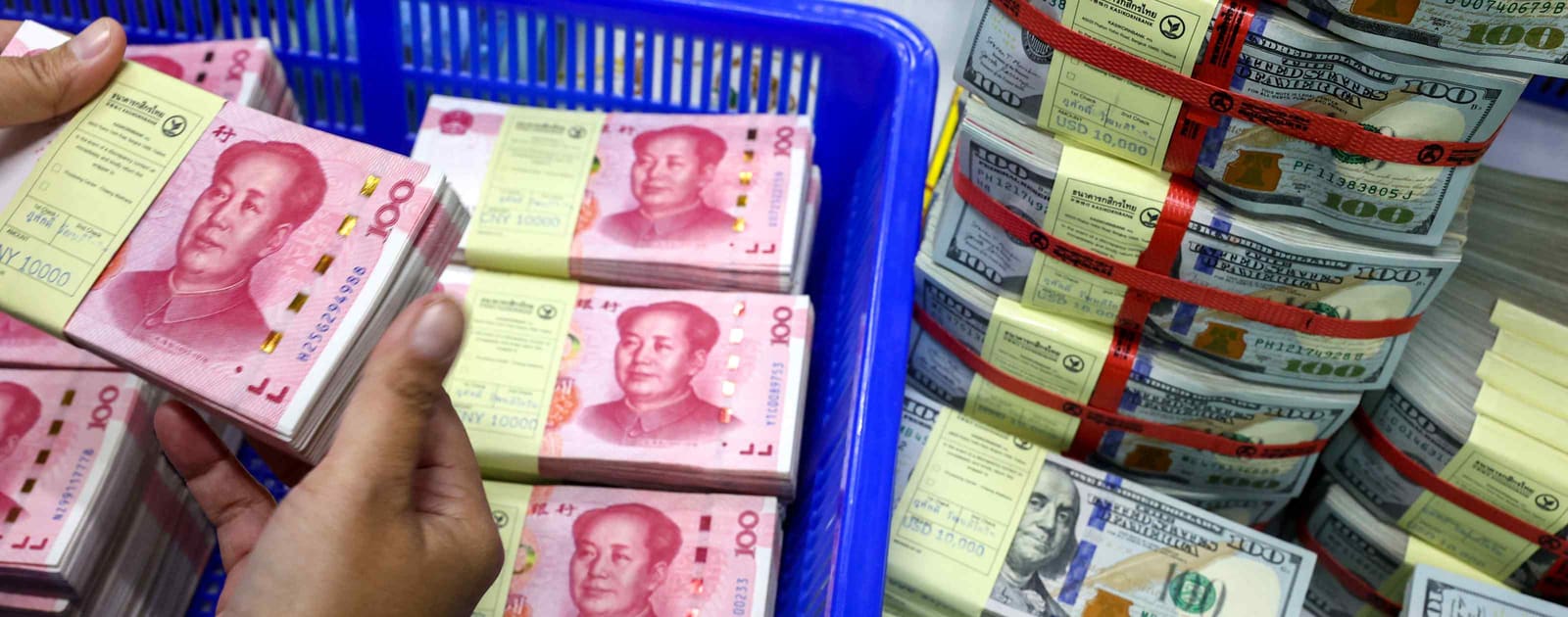
The yuan's rapid appreciation is decelerating as Chinese authorities work to steady the currency amid mounting concerns from the country's export sector. The People's Bank of China has signaled a more cautious approach after manufacturers reported deteriorating profit margins linked to exchange rate movements.
Several Chinese exporters have issued profit warnings in recent weeks, citing foreign exchange losses as dollar-denominated assets decline in value when translated into yuan on financial statements. The currency dynamics have created an unexpected headwind for companies that depend on overseas sales, particularly as they navigate an already challenging global trade environment.
Impact on Manufacturing Margins
The strengthening yuan presents a double-edged problem for Chinese exporters. When the currency appreciates against the dollar, goods priced in yuan become more expensive for foreign buyers, potentially reducing demand. Simultaneously, companies holding dollar-denominated receivables or assets see their value erode in local currency terms, directly affecting reported earnings.
This squeeze has prompted manufacturers across multiple sectors to reassess their hedging strategies and pricing models. For firms operating on thin margins, even modest currency swings can mean the difference between profit and loss in quarterly results.
Policy Response and Market Dynamics
The central bank's intervention reflects Beijing's ongoing balancing act between maintaining currency stability and supporting export competitiveness. While a stronger yuan can help contain import costs and signal economic confidence, excessive appreciation risks undermining one of China's key economic engines at a time when external demand remains uncertain.
Market participants have noted the authorities' subtle shifts in daily reference rate settings and liquidity management, tools the PBOC uses to guide currency expectations without dramatic intervention. These adjustments suggest policymakers are aiming for a managed slowdown in appreciation rather than a sharp reversal.
Regional Currency Context
China's currency management carries implications beyond its borders. As the yuan moves, it influences capital flows across Asia and affects the competitive positioning of exporters in neighboring economies. A rapidly strengthening yuan can prompt portfolio adjustments and shift trade dynamics throughout the region's manufacturing supply chains.
The current stabilization effort comes as other Asian currencies navigate their own pressures from shifting US monetary policy expectations and uneven global growth. China's approach to managing the yuan's trajectory will likely factor into broader regional currency stability in the months ahead.
Outlook for Exporters
For Chinese manufacturers, the near-term outlook depends on both currency movements and underlying demand conditions in major export markets. While a steadier yuan may ease some pressure on margins, companies remain exposed to broader uncertainties around trade policy and global consumption patterns.
The export sector's profitability will hinge on whether the central bank can maintain its delicate equilibrium: preventing excessive currency strength while avoiding measures that might trigger capital outflow concerns or undermine confidence in the yuan's market-driven reforms. The coming quarters will test whether this calibrated approach can sustain both currency stability and export sector health.
RELATED STORIES

Jim Rogers Signals Yuan Preference Over Dollar as US Debt Concerns Mount
Cheng Wei-Lun · 3 min
USD-CNY Overtakes Hong Kong Dollar Trading in Historic Shift
Cheng Wei-Lun · 3 min
Chinese Banks Shift Corporate Loan Pricing to Daily Repo Rates
Cheng Wei-Lun · 3 min

Washington's Yen Intervention Signals Broader Currency Pressure Across Asia
Priyanka V. Rao · 4 min
Spot something wrong? Email editor@briefasia.com. We log every correction publicly.