Asia · Trade
China's Rare Earth Giants Post Strong Profits Amid Supply Chain Tensions
Major producers report robust first-half earnings even as Washington pushes USD 2 billion domestic mining initiative to reduce dependence on Beijing's dominance
KEY TAKEAWAYS
- ·Chinese rare earth producers reported substantial first-half profits despite Beijing using the strategic minerals as leverage in trade disputes with the US and Japan.
- ·The Trump administration announced USD 2 billion in domestic rare earth mining investment on Friday to diversify away from China's control of 70 percent of mining and 90 percent of processing capacity.
- ·Market volatility from geopolitical tensions has driven up prices for certain rare earth elements, supporting profit margins for Chinese producers during the period.
Profitability Holds Despite Trade Friction
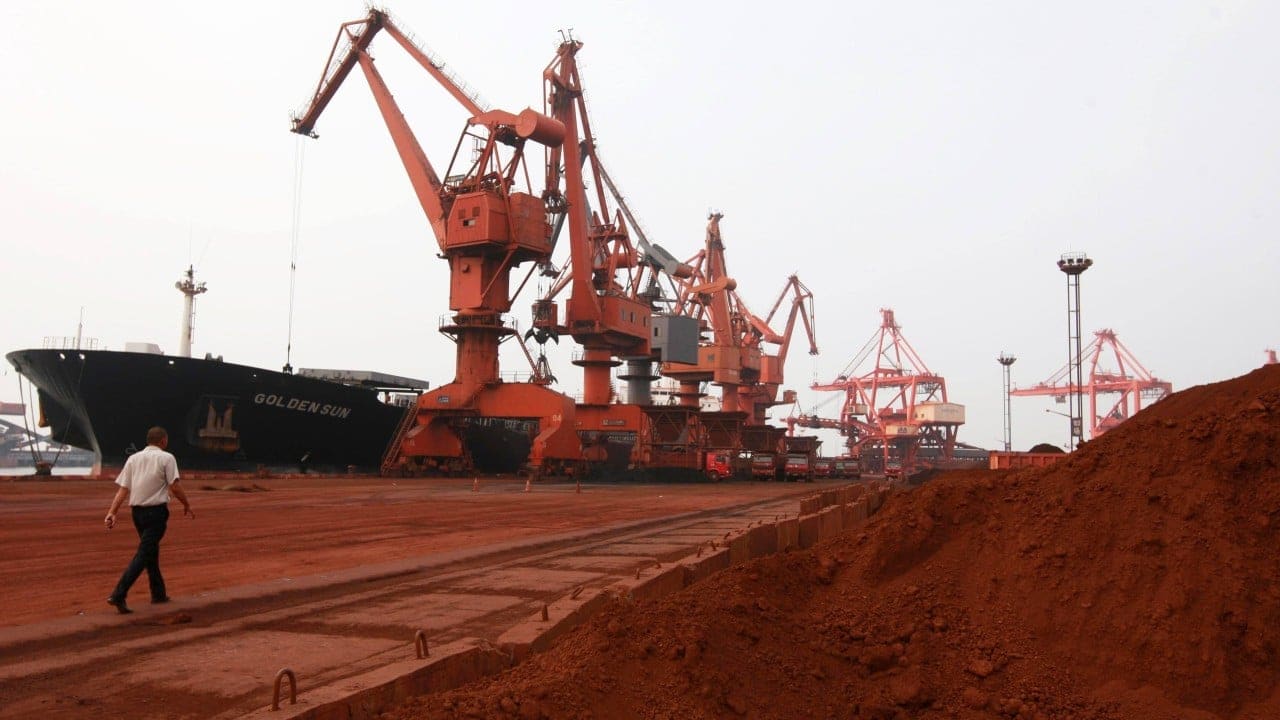
China's rare earth producers have posted substantial first-half profits, demonstrating resilience even as Beijing wields the strategically critical minerals in ongoing trade disputes with Washington and Tokyo. The sector's financial performance has remained strong despite geopolitical headwinds that many analysts expected would disrupt operations.
Major Chinese rare earth companies have reported or forecast significant earnings for the first six months of the year. The profitability comes at a time when rare earth elements, essential for electric vehicles, wind turbines, military hardware, and consumer electronics, have become a focal point in US-China economic competition.
The financial results suggest that Beijing's strategic positioning of rare earths in trade negotiations has not hampered the commercial viability of domestic producers. China controls approximately 70 percent of global rare earth mining and nearly 90 percent of processing capacity, giving it substantial leverage in the sector.
Washington Accelerates Domestic Mining Push
The Trump administration announced a USD 2 billion investment in domestic rare earth mining on Friday, a move widely interpreted as an effort to reduce American dependence on Chinese supply. The initiative represents one of the largest federal commitments to rare earth development in decades and underscores Washington's concern about supply chain vulnerabilities.
Industry observers view the US investment as a direct response to China's market dominance. However, building alternative supply chains will require years of development, permitting, and infrastructure construction. Rare earth processing, in particular, involves complex chemical procedures and environmental challenges that have historically deterred Western investment.
The announcement has contributed to increased volatility in rare earth markets, with prices for certain elements climbing as traders anticipate potential supply disruptions or export restrictions. Chinese producers have benefited from this price environment, which has supported profit margins during the first half.
Strategic Leverage in Asia-Pacific Trade
Beijing has demonstrated willingness to use rare earth access as a negotiating tool in trade relations with both Japan and the United States. Previous restrictions on exports to Japan following a territorial dispute in 2010 showed how quickly supply disruptions can affect downstream manufacturers.
The current trade tensions have prompted several Asian economies to explore diversification strategies. Japan has invested in rare earth recycling technologies and secured supply agreements with Australia and Vietnam. South Korea has similarly pursued alternative sources, though none can match China's scale or cost structure in the near term.
Chinese producers have maintained steady output despite the geopolitical uncertainty. State-owned enterprises dominate the sector, and their operations align with broader government objectives around industrial policy and trade strategy. The profitability reported for the first half suggests that export controls, if implemented, have been selective rather than comprehensive.
Market Dynamics and Forward Outlook
The rare earth sector faces competing pressures in the second half of the year. Demand remains robust, driven by the global transition to electric vehicles and renewable energy infrastructure. China's domestic electric vehicle market alone consumes a substantial portion of rare earth output, providing a buffer against potential declines in export volumes.
However, the expansion of mining projects in Australia, Canada, and the United States could begin to shift market dynamics over the next three to five years. These projects face technical and regulatory hurdles, but government support in multiple countries signals a sustained commitment to reducing reliance on Chinese supply.
Chinese producers are responding by moving up the value chain, investing in magnet manufacturing and other high-margin applications rather than focusing solely on raw material extraction. This strategy aims to maintain competitive advantage even as alternative mining sources come online.
The first-half profit performance indicates that China's rare earth sector retains strong fundamentals despite an increasingly contested geopolitical environment. Whether this momentum continues will depend on the trajectory of trade negotiations, the pace of alternative supply development, and Beijing's willingness to use export restrictions as a policy tool.
RELATED STORIES
South Korean Mineral Processors Eye US Strategic Supply Deals
Cheng Wei-Lun · 4 min

Manila Eyes Nickel Processing to Escape China's Price Control
Priyanka V. Rao · 4 min

Asian Tech Stocks Surge as Weak US Jobs Data Dims Rate Hike Outlook
Cheng Wei-Lun · 4 min

7-Eleven Owner Calls China Its Toughest Market Amid Subsidy Wars
Cheng Wei-Lun · 3 min
Spot something wrong? Email editor@briefasia.com. We log every correction publicly.