Asia · Trade
China's Private Sector Redirects Trillion-Dollar Trade Surplus From State Reserves
Beijing's massive trade surplus is shifting from central bank coffers into private investment channels as companies and investors hunt for higher returns
KEY TAKEAWAYS
- ·China's trade surplus, which hit USD 990 billion in 2025, is now flowing through private investors rather than being absorbed into central bank reserves that have plateaued at USD 3.2 trillion since 2021.
- ·Outbound portfolio investment by Chinese institutions jumped 34 percent year-on-year in Q1 2026, with private capital targeting Southeast Asian startups, European logistics, and North American real estate.
- ·The shift from state to private surplus deployment increases market volatility and reshapes Asia's financial centers as they compete for Chinese capital seeking offshore yield opportunities.
A Structural Shift in Capital Flows
China's trade surplus has entered a new phase. For years, the central bank vacuumed up export earnings and parked them in official reserves, building the world's largest foreign exchange stockpile. That pattern has broken. The surplus now moves through private channels as companies, institutional investors, and high-net-worth individuals deploy capital in search of returns.
The shift carries implications beyond China's borders. When the People's Bank of China held the surplus, it bought US Treasuries and other sovereign debt, anchoring global bond markets. Private actors follow different logic. They chase yield in corporate bonds, real estate, equity stakes, and alternative assets across Asia, Europe, and North America.
Why the Change Matters
The mechanics of China's surplus absorption have changed because the policy environment has changed. Beijing loosened capital account restrictions selectively over the past five years, allowing qualified investors to move money offshore through regulated programs. Outbound direct investment rules have been streamlined for sectors aligned with national strategy. The result is a reallocation of hundreds of billions of dollars annually from state balance sheets to private portfolios.
This redeployment alters risk distribution. Central bank reserves are conservative and liquid. Private capital takes positions in venture funds, infrastructure projects, and cross-border mergers. Volatility rises. So does the potential for higher returns and the exposure to market downturns.
The Numbers Behind the Trend
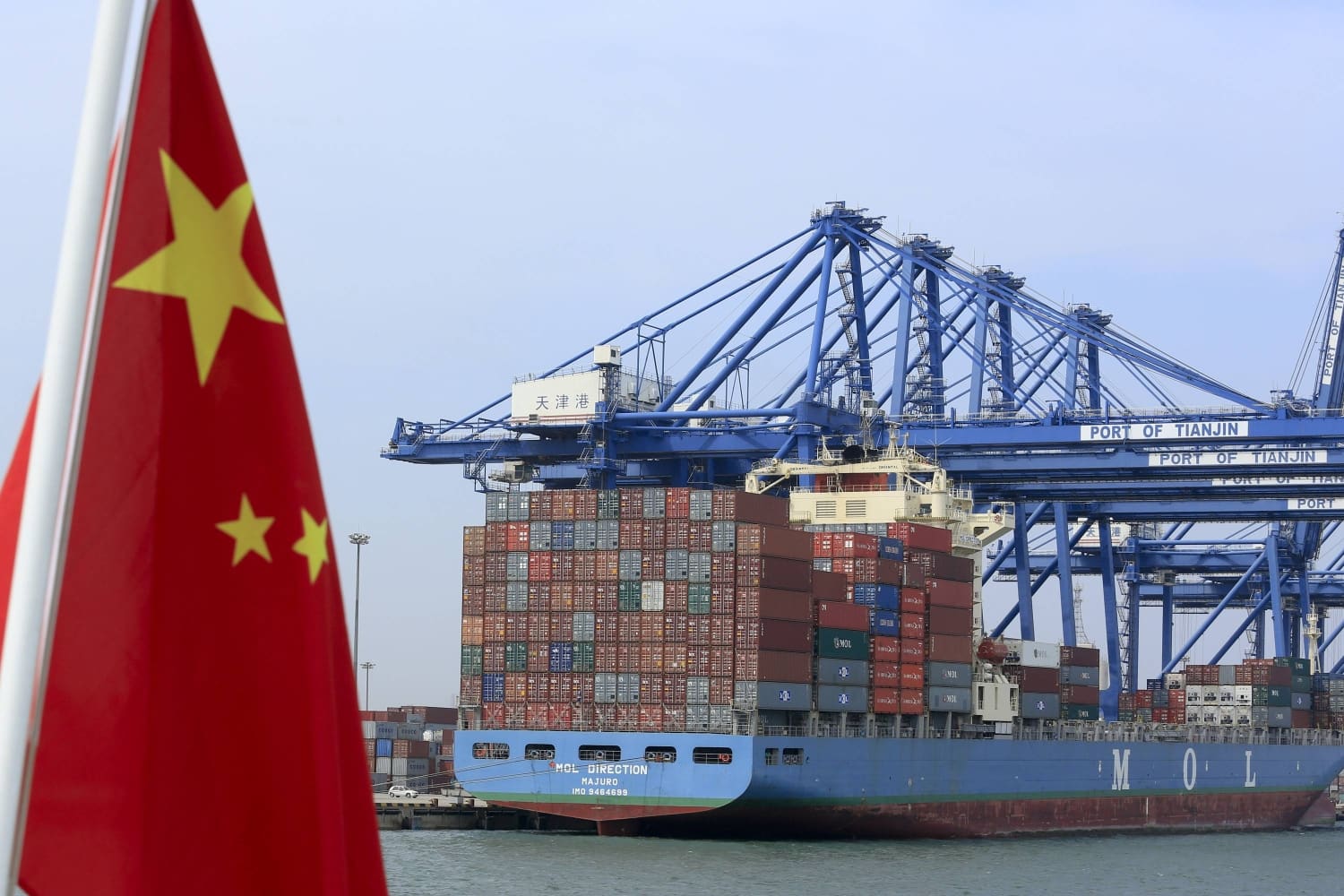
China's goods trade surplus reached USD 990 billion in 2025, up from USD 823 billion the prior year. Official reserves, meanwhile, have plateaued near USD 3.2 trillion since 2021. The gap between rising surpluses and flat reserves points to private outflows.
Data from the State Administration of Foreign Exchange show that outbound portfolio investment by Chinese institutions climbed 34 percent year-on-year in the first quarter of 2026. Direct investment abroad by non-state enterprises rose 28 percent over the same period. These flows represent surplus dollars that once would have landed on the central bank's balance sheet.
Where the Money Goes
Private Chinese capital is diversifying geographically and by asset class. Southeast Asian tech startups, European logistics networks, and North American real estate funds have all drawn inflows. Sovereign wealth funds and large state-owned enterprises still dominate headline deals, but the volume of mid-market transactions by private firms has grown sharply.
Financial centers in Singapore, Hong Kong, and Tokyo report increased activity from Chinese family offices and asset managers. These entities structure deals through offshore vehicles, blending onshore surplus with offshore leverage to amplify exposure. The strategies range from passive index tracking to concentrated bets on commodities and infrastructure.
Policy Levers and Constraints
Beijing retains the ability to tighten or loosen the spigot. Capital controls remain in place for retail investors, and large transactions require regulatory approval. The government has shown willingness to restrict outflows when the yuan faces depreciation pressure or when financial stability is at risk.
Yet the direction of travel is clear. China's leadership has signaled support for internationalization of the yuan and greater integration into global capital markets. Allowing private actors to deploy the trade surplus fits that agenda. It also reduces the burden on the central bank to manage ever-larger reserves and the political sensitivity of holding trillions in US government debt.
Implications for Regional Markets
Asia's financial centers stand to benefit. As Chinese investors seek yield offshore, demand for asset management services, legal structuring, and cross-border banking rises. Competition for Chinese capital has intensified among fund managers in Hong Kong, Singapore, and Sydney.
The shift also introduces new risks. Private capital is more sensitive to sentiment and quicker to reverse course than official reserves. A sudden pullback could destabilize markets that have grown accustomed to Chinese inflows. Regulators in recipient jurisdictions are monitoring exposure and considering prudential measures to manage concentration risk.
What Comes Next
The trajectory of China's trade surplus will depend on domestic consumption, global demand, and exchange rate policy. If the surplus continues to grow, the volume of private capital seeking offshore deployment will grow with it. That will deepen China's integration into global finance and reshape capital flows across Asia and beyond.
For now, the era of the People's Bank of China as the sole gatekeeper of China's external surplus has ended. Private actors are writing the next chapter, and their decisions will reverberate through markets from Jakarta to Frankfurt.
RELATED STORIES

Honda Demands 30% Price Cuts From Suppliers in $9.4 Billion Cost Plan
Cheng Wei-Lun · 3 min

Beijing Warns Domestic EV Makers Against Overseas Price Wars
Cheng Wei-Lun · 3 min

From Tourism Graduate to Indonesia Electronics Distributor: Wook Eyes IPO
Cheng Wei-Lun · 3 min
Malaysia's Rare Earth Deposits Draw Foreign Interest Ahead of China Export Controls
Priyanka V. Rao · 3 min
Spot something wrong? Email editor@briefasia.com. We log every correction publicly.