Asia · Trade
China Posts Record Trade Gains as AI Hardware Drives Export Surge
July exports climbed 23.9% year-on-year, fueled by global rush for data-processing equipment and AI infrastructure components

KEY TAKEAWAYS
- ·China's exports rose 23.9% year-on-year in July, with computer and component shipments up 45.2% in the first seven months, driven by global AI infrastructure buildout.
- ·The trade surplus nearing $1.2 trillion in 2025 has cushioned China's manufacturing sector against weak domestic consumption and ongoing geopolitical friction.
- ·Shipments to the United States increased 17% despite fresh trade restrictions, including Beijing's new drone export curbs and blacklisting of six American firms.
Trade Momentum Defies Global Headwinds
China's manufacturing sector delivered a powerful performance in July, with outbound shipments climbing 23.9% compared to the same month last year, according to the General Administration of Customs. Inbound trade also remained robust, rising 27.5% despite easing slightly from June's 36% surge.
The figures underscore how Beijing's industrial base is capitalizing on the global scramble to build artificial intelligence infrastructure, even as domestic consumption remains subdued and geopolitical friction mounts. The manufacturing powerhouse recorded a historic trade surplus nearing $1.2 trillion in 2025, a cushion that has helped offset weakness in household spending at home.
AI Infrastructure Demand Reshapes Export Mix
The standout driver in July's trade data was technology hardware. Shipments of computers and related components surged 45.2% in the first seven months of the year, reflecting voracious appetite from overseas buyers racing to expand data-center capacity and AI compute power.
This shift in export composition marks a structural change for China's trade profile. Where consumer electronics and apparel once dominated outbound flows, the current cycle is being shaped by enterprise hardware, server components, and specialized chips designed for machine learning workloads. Companies across North America, Europe, and Asia are placing large orders for the physical infrastructure required to train and deploy generative AI models, and Chinese manufacturers have moved quickly to capture that demand.
The AI-driven tailwind has also provided some insulation against broader trade uncertainties. Shipments to the United States rose 17% year-on-year in July, even as the two economies remain entangled in a protracted trade dispute. That resilience suggests enterprise buyers are prioritizing supply-chain efficiency and cost over political considerations when sourcing critical technology components.
Friction Points Persist
Yet the trade relationship remains fragile. Just days before the customs data was released, Beijing announced restrictions on drone exports to the United States and placed six American firms on a blacklist. The move came in response to Washington's sanctions targeting forced labor and national security concerns, the latest in a series of tit-for-tat measures that have defined bilateral commerce since 2018.
The Middle East conflict has added another layer of complexity, disrupting shipping routes and raising insurance costs for container traffic through key maritime chokepoints. Despite these obstacles, China's trade machine has maintained momentum, a testament to the depth of its manufacturing ecosystem and the flexibility of its logistics networks.
Import Growth Signals Domestic Activity
The 27.5% increase in imports, while down from June's pace, still points to healthy activity within China's borders. Inbound shipments of raw materials, energy, and intermediate goods remain elevated as factories ramp up production to meet foreign orders. The import data also reflects ongoing infrastructure projects and industrial upgrades, both of which require steady flows of commodities and capital equipment.
Analysts will watch whether this import trajectory holds in the coming months. A sustained slowdown could signal weakening domestic demand or a shift in manufacturing patterns, while continued strength would reinforce the view that China's industrial sector is operating at high capacity.
What Comes Next
The July figures set a high bar for the remainder of the year. Export growth at this pace is difficult to sustain, particularly if global economic conditions soften or if trade tensions escalate further. The AI hardware boom, while powerful, is also concentrated in a narrow segment of the export basket, leaving China's overall trade performance vulnerable to shifts in technology spending cycles.
For now, the data offers a clear picture: China's role as the world's factory floor is evolving, driven less by mass-market consumer goods and more by the specialized components that underpin the next wave of digital infrastructure. How long that advantage lasts will depend on both external demand and the trajectory of US-China relations in the months ahead.
RELATED STORIES
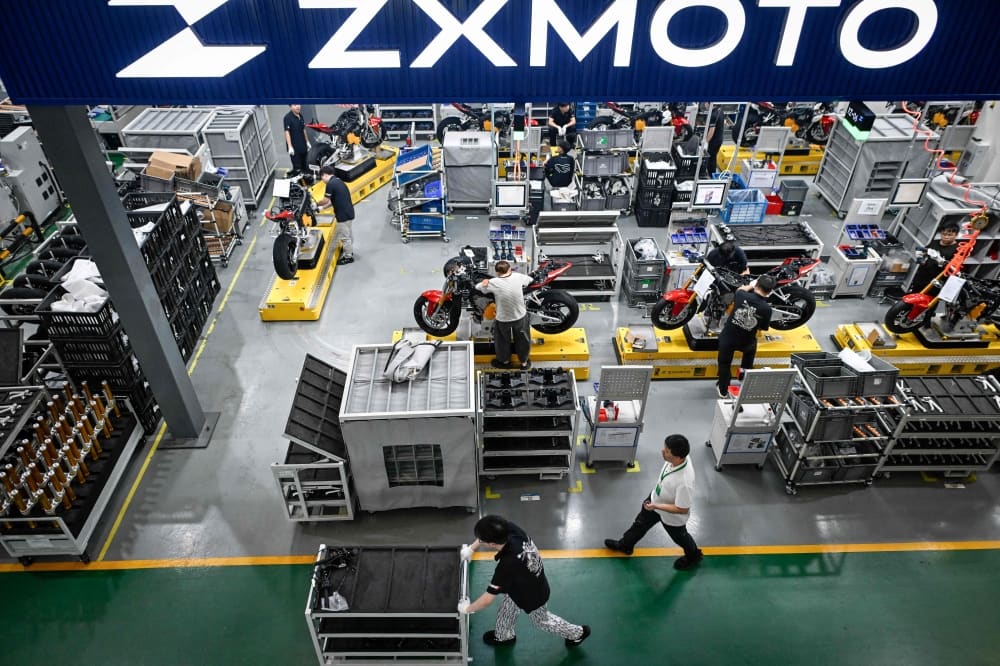
China's ZXMoto Doubles Production After World Championship Win
Cheng Wei-Lun · 3 min

BYD, Geely and Chery Crack Global Auto Top Ten
Cheng Wei-Lun · 3 min
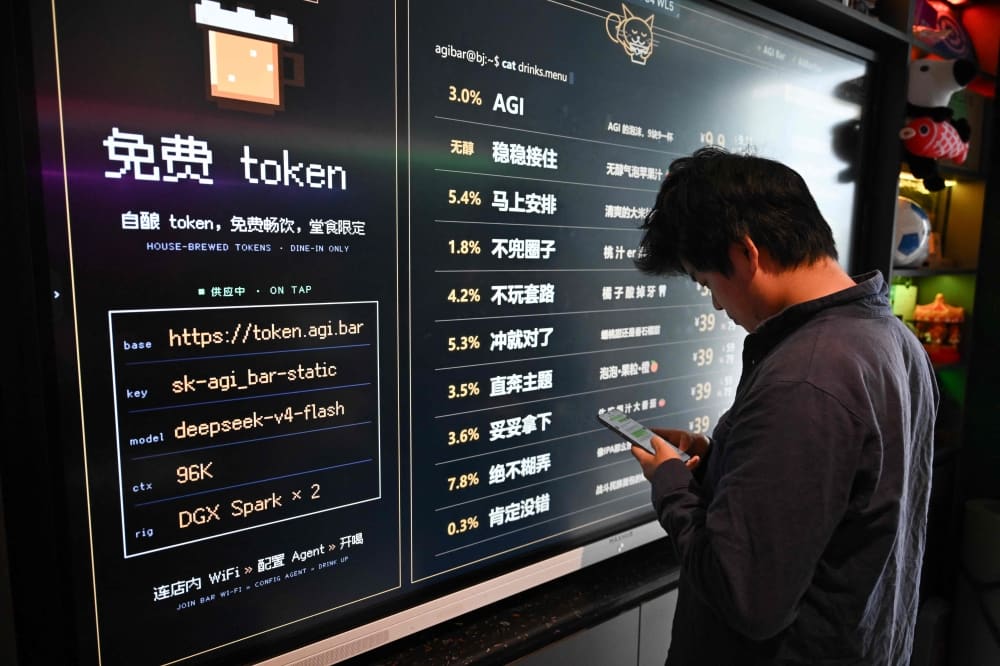
Beijing's AI Bar Offers Free DeepSeek Access as Price Wars Reshape Global Market
Cheng Wei-Lun · 3 min

Manila Eyes Nickel Processing to Escape China's Price Control
Priyanka V. Rao · 4 min
Spot something wrong? Email editor@briefasia.com. We log every correction publicly.