Finance · Deals
Indonesian Petrochemical Giant Chandra Asri Expands Into Singapore, Malaysia Auto Markets
The diversification move brings Mercedes-Benz dealerships and automotive distribution networks under the Jakarta-based group's regional portfolio
KEY TAKEAWAYS
- ·Chandra Asri Pacific agreed to acquire Cycle & Carriage's automotive businesses in Singapore and Malaysia, including Mercedes-Benz dealerships and service operations.
- ·The deal marks a strategic diversification for the Indonesian petrochemical producer into consumer-facing retail and service sectors with stable cash flows.
- ·Integration will test the company's ability to manage automotive retail while navigating the industry's shift toward electric vehicles and new service models.
A Petrochemical Player's Automotive Bet
Chandra Asri Pacific, one of Indonesia's largest petrochemical manufacturers, has struck a deal to acquire the automotive businesses of Cycle & Carriage in Singapore and Malaysia. The transaction marks a notable geographic and sectoral expansion for the Jakarta-based group, which has built its reputation on olefins and polyolefins production.
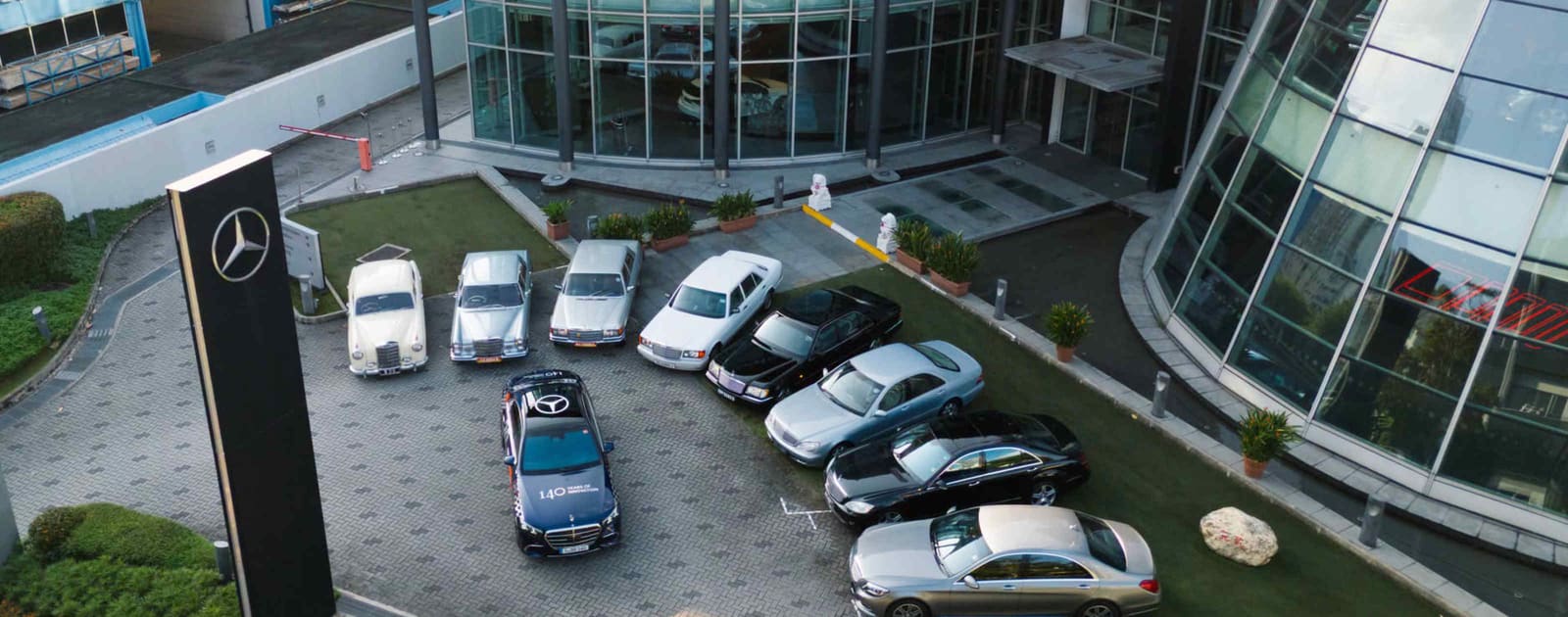
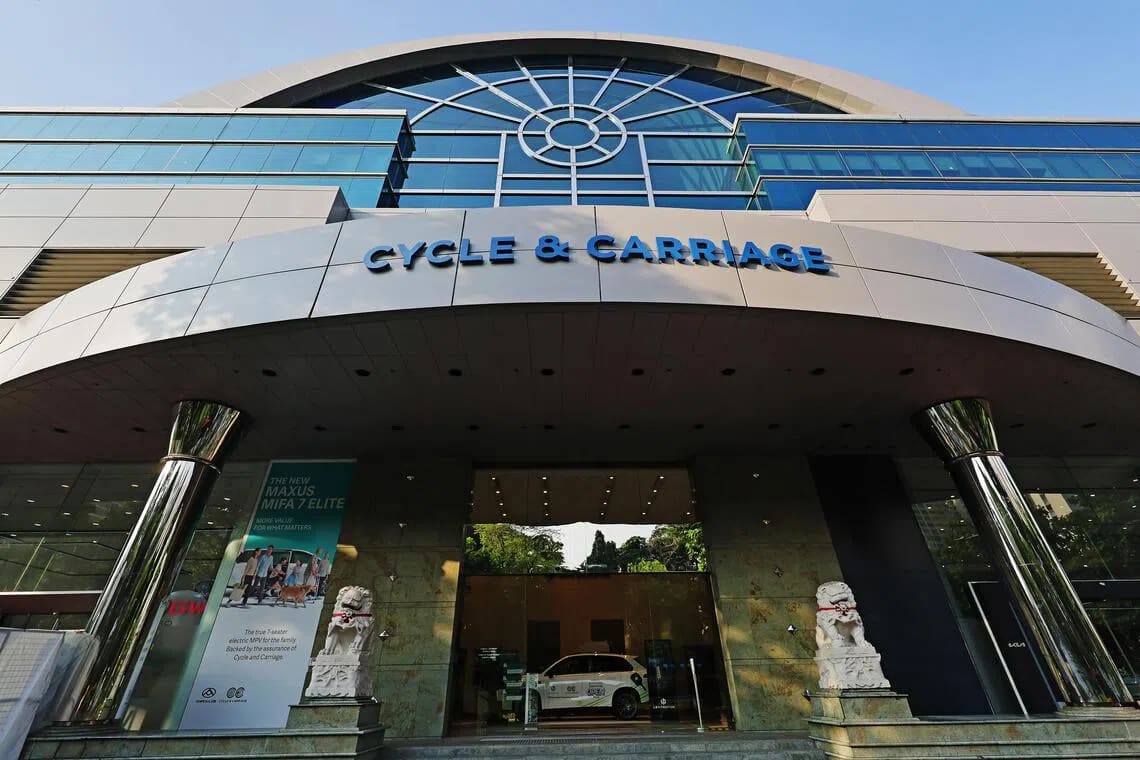
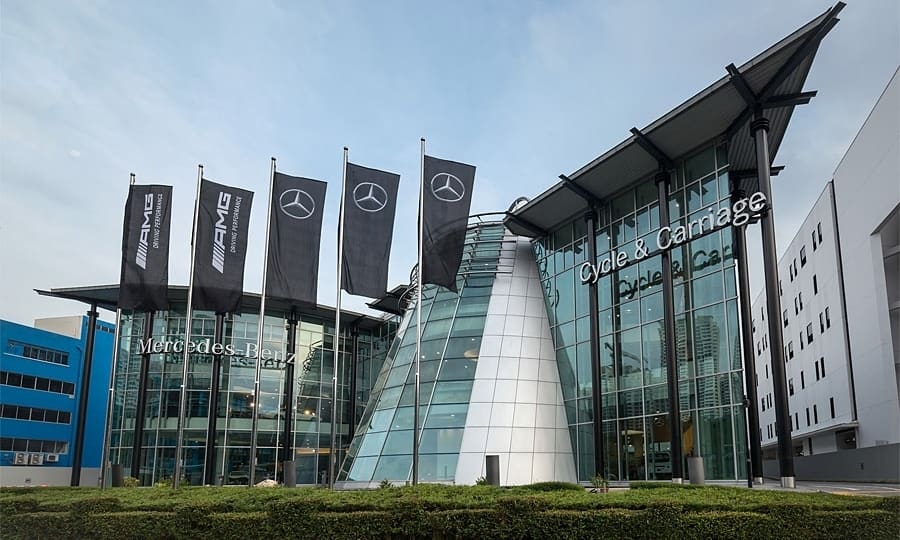
The acquisition includes Mercedes-Benz showrooms and distribution operations across both markets. Cycle & Carriage, part of the Jardine Matheson conglomerate, has operated automotive franchises in Southeast Asia for decades, making the deal a significant handover of established retail and service infrastructure.
Chandra Asri announced the agreement in August 2026, though financial terms were not disclosed. The company has been actively pursuing diversification beyond its traditional petrochemical base, seeking to capture value in downstream sectors and adjacent industries with stable cash flows.
What Changes Hands
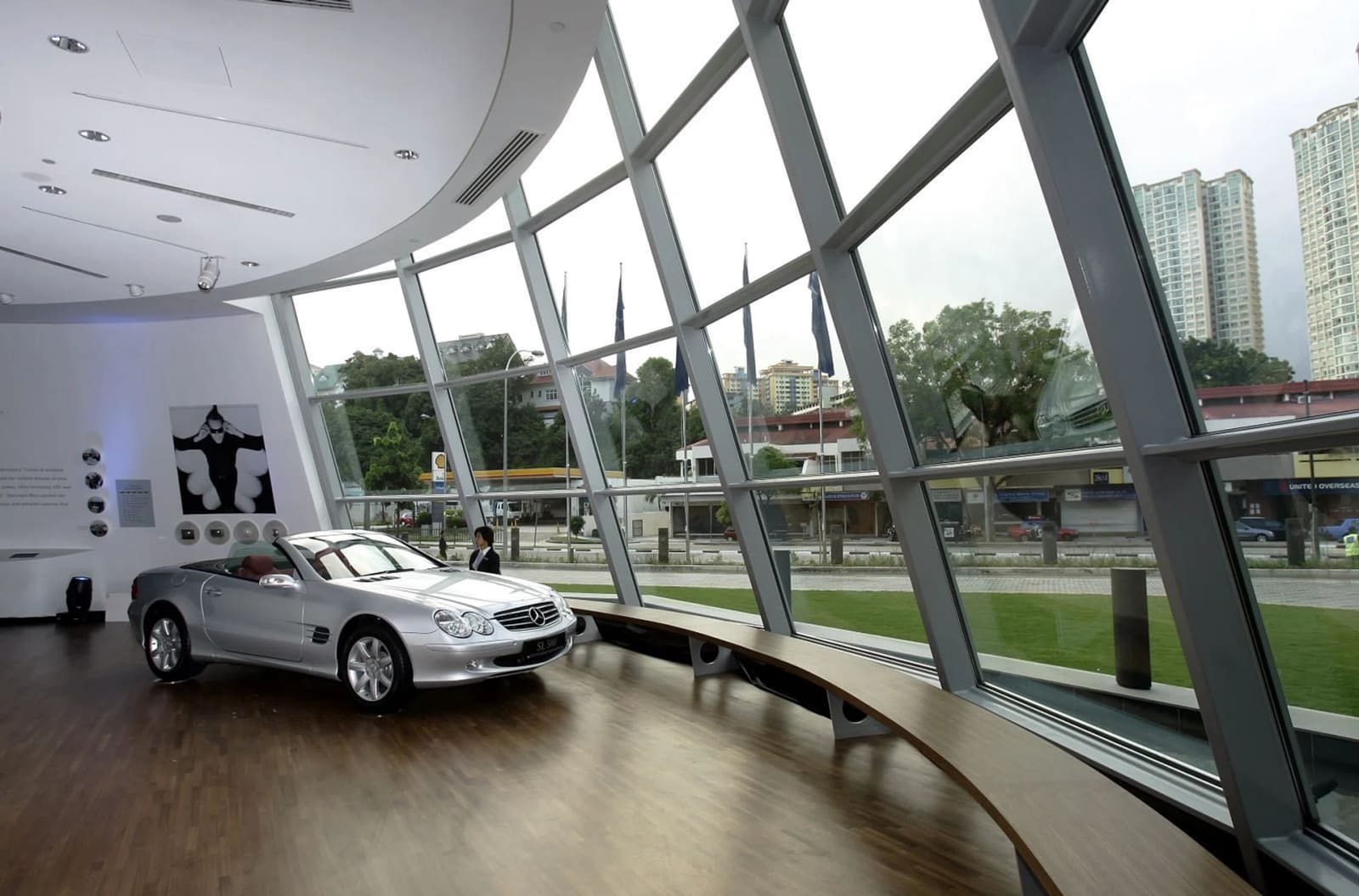
The assets under acquisition span both retail and service operations. In Singapore, the portfolio includes Mercedes-Benz showrooms such as the Alexandra Road location, along with after-sales service centers and parts distribution networks. The Malaysia operations mirror this structure, covering dealership facilities and customer service touchpoints across key urban centers.
Cycle & Carriage's automotive arm has long been a fixture in both markets, holding exclusive distribution rights for premium European brands. The business model combines vehicle sales with financing arrangements, insurance products, and long-term service contracts, creating recurring revenue streams that appeal to acquirers outside the traditional auto industry.
For Chandra Asri, the move represents a departure from commodity chemicals into consumer-facing businesses. The company's core operations center on naphtha crackers and polyethylene plants in Indonesia, supplying raw materials to packaging, construction, and industrial manufacturers. Automotive retail introduces direct customer relationships and service-based margins, a contrast to the cyclical, volume-driven nature of petrochemicals.
Strategic Rationale
The diversification strategy aligns with broader trends among Asian industrial conglomerates seeking to reduce exposure to commodity price swings. Petrochemical margins have faced pressure from overcapacity in China and volatile feedstock costs, prompting producers to explore businesses with more predictable earnings profiles.
Automotive distribution, while capital-intensive, offers relatively stable demand in affluent markets like Singapore, where vehicle ownership remains aspirational despite high costs. Malaysia's growing middle class and established car culture provide a complementary growth avenue, particularly for premium brands that command higher margins than mass-market models.
The timing also reflects shifting dynamics in Southeast Asian automotive markets. Electric vehicle adoption is accelerating, and traditional dealerships are adapting their service models to accommodate new powertrain technologies. Chandra Asri's petrochemical expertise could intersect with automotive lightweighting trends, where advanced polymers replace metal components to improve fuel efficiency and EV range.
Regional Expansion Playbook
This acquisition follows a pattern of Indonesian conglomerates extending their footprint into neighboring markets. Singapore serves as a financial and operational hub, while Malaysia offers scale and demographic depth. Controlling automotive distribution in both markets positions Chandra Asri to negotiate directly with manufacturers and potentially expand into adjacent segments like fleet management or mobility services.
The deal also signals confidence in the durability of premium automotive demand despite economic headwinds. Luxury car sales in Singapore have remained resilient, supported by wealth accumulation and limited supply due to the city-state's vehicle quota system. Malaysia's automotive sector, though more price-sensitive, continues to grow as infrastructure development and urbanization drive vehicle ownership.
For Cycle & Carriage's parent company Jardine Matheson, the divestment may reflect portfolio optimization or a strategic pivot toward other sectors within its sprawling holdings. The conglomerate has historically cycled through assets across property, retail, and industrial businesses, redeploying capital where it sees higher returns or strategic alignment.
What Comes Next
Integration will test Chandra Asri's ability to manage a customer-centric business far removed from its industrial roots. Automotive retail demands different skill sets than chemical manufacturing, from sales training and brand management to navigating franchise agreements and regulatory requirements across multiple jurisdictions.
The company will also need to address the transition underway in automotive technology. As electric vehicles gain share, dealerships must invest in charging infrastructure, technician training for high-voltage systems, and inventory strategies that balance internal combustion and electric models. How Chandra Asri approaches these investments will indicate whether it views the acquisition as a cash-generating asset or a platform for deeper automotive sector engagement.
Regulatory approvals remain pending, though significant obstacles appear unlikely given the transaction's commercial nature. The deal is expected to close in the coming quarters, after which attention will turn to operational execution and whether Chandra Asri pursues additional acquisitions in the automotive or adjacent sectors.
The move underscores a broader theme in Asian business: industrial giants leveraging strong balance sheets to diversify into consumer markets, seeking stability and growth beyond the volatility of commodity cycles.
RELATED STORIES
Chandra Asri Acquires Jardine's Singapore and Malaysia Dealerships for $265 Million
Priyanka V. Rao · 3 min
Jardine Cycle & Carriage Exits Singapore and Malaysia Auto Operations in S$265 Million Deal
Priyanka V. Rao · 3 min
Jardine C&C Exits Singapore and Malaysia Auto Markets in $208M Deal
Priyanka V. Rao · 3 min
Indonesia Launches Gold-Backed ETFs as Capital Diversion Concerns Mount
Siti Nuraini · 2 min
Spot something wrong? Email editor@briefasia.com. We log every correction publicly.