Travel & Dining · Trends
Cathay Pacific Posts 71% Profit Jump Despite War-Driven Fuel Surge
Hong Kong carrier's first-half earnings climb to HK$6.2 billion as Middle East conflict reshapes Asian aviation routes and passenger flows
KEY TAKEAWAYS
- ·Cathay Pacific reported net profit of HK$6.2 billion for H1 2026, a 71% increase, with revenue climbing 25.3% to HK$68 billion.
- ·Passenger revenue rose 26.3% to HK$43.2 billion as travelers rerouted through Hong Kong to avoid Middle East airspace disrupted by the Iran conflict.
- ·Jet fuel costs nearly doubled between Q1 and Q2 2026, prompting multiple fuel surcharge increases, yet the carrier maintained profitability through demand strength and operational resilience.
Hong Kong Emerges as Alternative Hub
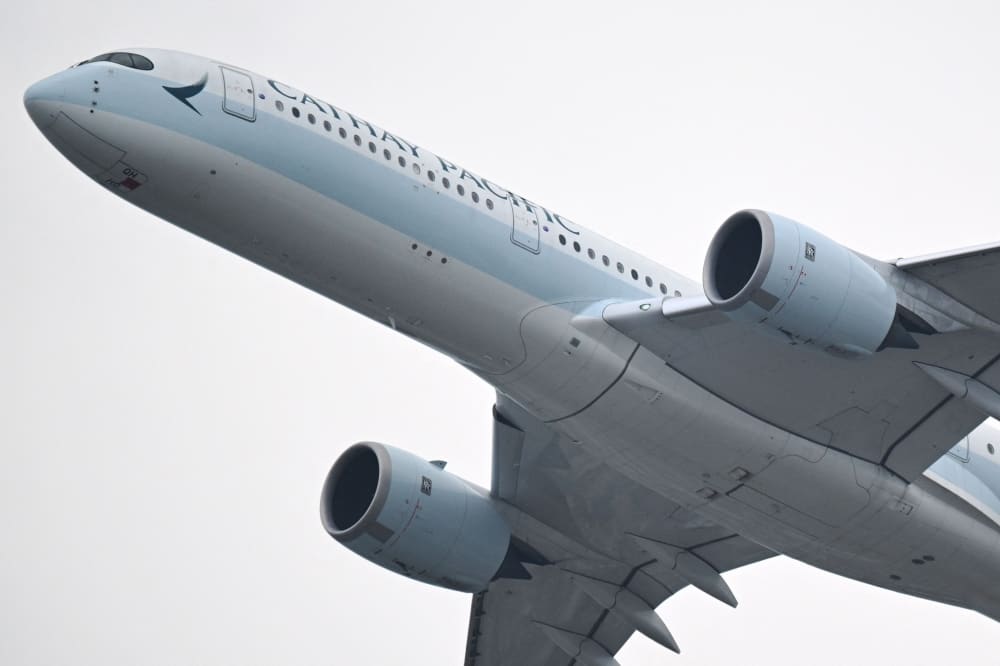
Cathay Pacific recorded net profit of HK$6.2 billion (US$795 million) for the first half of 2026, up 71% year-on-year, according to the carrier. Revenue climbed 25.3% to HK$68 billion over the same period. The results reflect a striking divergence in Asia's aviation sector: while fuel prices spiked due to geopolitical turmoil, demand patterns shifted in ways that favored certain hubs.
Chair Guy Bradley attributed the performance to sustained demand for Cathay Pacific and its cargo arm, improved results from budget subsidiary HK Express, and stronger contributions from associate companies. Passenger revenue alone rose 26.3% to HK$43.2 billion, driven by what the airline described as amplified transit traffic through Hong Kong in the second quarter.
War Reshapes Asian Transit Flows
The Iran conflict, which erupted in February 2026, forced airlines and passengers to reconsider Middle Eastern hubs. Cathay Pacific noted that travelers increasingly chose alternate routes, funneling through Hong Kong instead. This rerouting effect became pronounced in the second quarter, offsetting what would otherwise have been a more difficult operating environment.
The airline has adjusted fuel surcharges multiple times since the war began, passing some cost burden to passengers. Jet fuel prices nearly doubled between the first and second quarters, according to Bradley, turning what had been a strong start to the year into a more turbulent spring.
Resilience Built Over Years
Bradley emphasized that the carrier's ability to post these results despite fuel volatility stems from structural changes made in recent years. The airline has diversified revenue streams, tightened operational efficiency, and expanded its cargo business, which has proven less sensitive to short-term geopolitical shocks than passenger operations.
Cathay Cargo, in particular, benefited from sustained e-commerce flows and manufacturing exports moving through Hong Kong. HK Express, the group's low-cost carrier, also contributed positively after years of restructuring. These units provided ballast when fuel costs surged.
Fuel Costs and Pricing Power
The near-doubling of fuel expenses between consecutive quarters represents one of the steepest increases in recent memory for the carrier. Yet the airline maintained profitability, suggesting it retains pricing power in key markets. Business travel within Asia has recovered more robustly than leisure segments in some corridors, allowing carriers to sustain higher average fares.
Cathay Pacific's ability to raise surcharges without losing traffic volume indicates that demand remains inelastic for certain routes, particularly long-haul connections where Hong Kong serves as a natural stopover. The carrier's premium cabin products, historically a strength, likely contributed to revenue resilience.
Regional Implications
Hong Kong's position as a transit hub has fluctuated over the past decade, challenged by mainland Chinese gateways and Southeast Asian rivals. The current geopolitical environment, however, has temporarily reversed some of that competitive pressure. Airlines and passengers seeking to avoid Middle Eastern airspace have limited alternatives for east-west connections, and Hong Kong's geographic position and regulatory environment make it a viable choice.
This dynamic may not persist indefinitely. If the conflict stabilizes or fuel prices moderate, the rerouting effect could diminish. But for now, Cathay Pacific is capturing a windfall from circumstances beyond its control, layered atop operational improvements it has implemented over several years.
The carrier's performance underscores a broader theme in Asian aviation: hub competition remains fierce, but external shocks can abruptly reorder the landscape. Airlines that have invested in flexibility and diversified revenue streams are better positioned to exploit these shifts when they occur.
RELATED STORIES

Hong Kong Tourism Spending Falls 44% Short of Pre-Pandemic Levels
Lim Hui Ying · 3 min

Hong Kong Rice Ball Chain Secures Japan Farmland to Fuel US Expansion
Cheng Wei-Lun · 3 min

Asian Tech Stocks Surge as Weak US Jobs Data Dims Rate Hike Outlook
Cheng Wei-Lun · 4 min
Hong Kong's Wealth Hub Status Faces Test as Beijing Tightens Tax Enforcement
Cheng Wei-Lun · 3 min
Spot something wrong? Email editor@briefasia.com. We log every correction publicly.