Travel & Dining · Dining
Hong Kong Rice Ball Chain Secures Japan Farmland to Fuel US Expansion
Hyakunousha International establishes procurement company in Niigata as premium onigiri chain scales across North America
KEY TAKEAWAYS
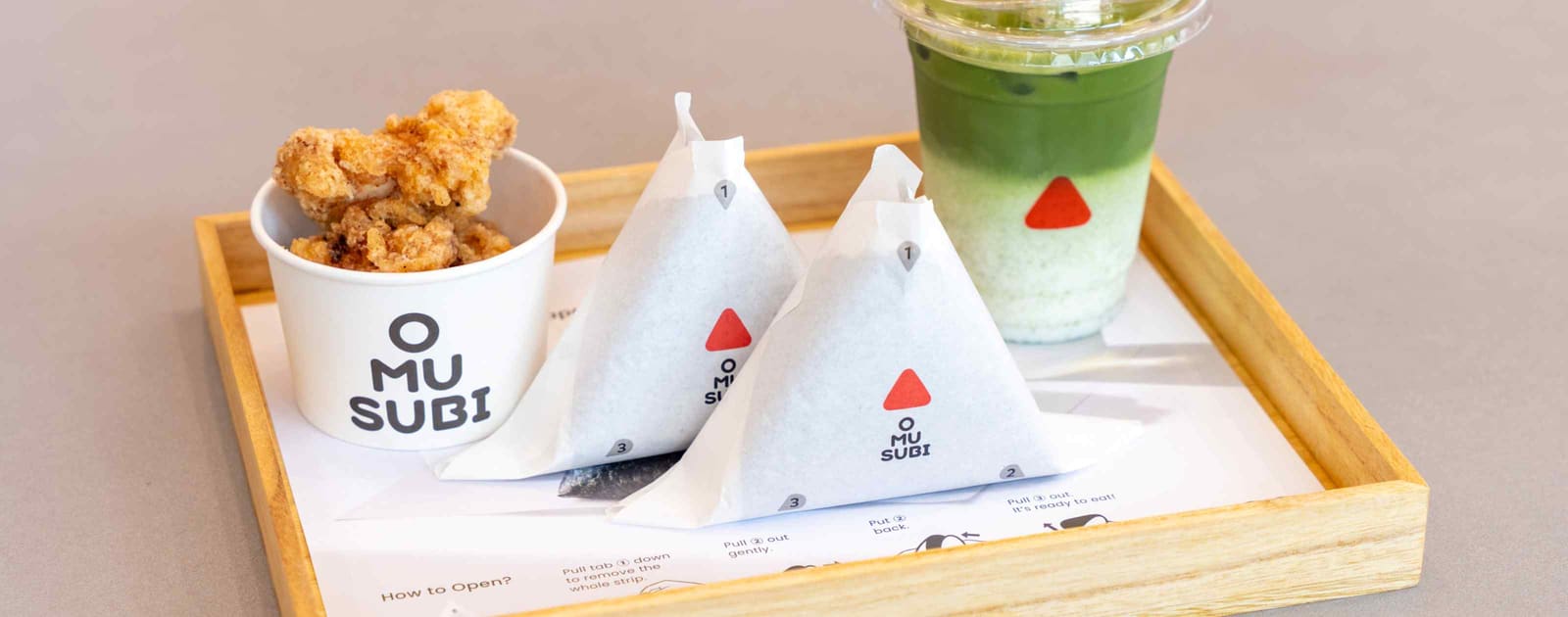
- ·Hyakunousha International has established a rice production and marketing company in Niigata, Japan, to secure supply for its US onigiri expansion, where rice balls retail at $7.00 to $7.50 each.
- ·The vertical integration strategy aims to bypass wholesalers and control quality of japonica rice, critical for defending premium positioning in North American fast-casual markets.
- ·The move reflects a broader trend among Asian food exporters investing upstream to protect margins and authenticity as they scale beyond home markets into the US.
Vertical Integration for Premium Market
Hyakunousha International, the Hong Kong-based operator of upscale onigiri shops, has launched a new entity in Japan's Niigata prefecture to control rice production and distribution as it prepares for deeper penetration of the US market. The company sells its rice balls at $7.00 to $7.50 per piece in North America, positioning itself at the premium end of a category traditionally associated with convenience stores and budget meals.
Niigata, a coastal prefecture facing the Sea of Japan, has long anchored the country's rice cultivation industry. The region's climate and soil conditions produce short-grain japonica rice prized for its texture and sweetness. By establishing a direct procurement arm there, Hyakunousha aims to bypass wholesale intermediaries and secure consistent supply of the grain varieties its product depends on.
The move reflects a broader pattern among Asian food exporters: as they scale in Western markets, supply chain control becomes as critical as brand recognition. Premium positioning demands premium inputs, and for onigiri, rice quality is non-negotiable. The new company will oversee both production coordination with contract farmers and marketing of the grain, suggesting Hyakunousha may eventually sell rice as a standalone product alongside its prepared food operations.
The Economics of Premium Onigiri Abroad
At $7 to $7.50 each, Hyakunousha's onigiri command roughly ten times the price of mass-market equivalents in Japanese convenience stores. That margin finances not only imported ingredients but also real estate in high-traffic urban locations, labor in expensive markets, and the brand infrastructure required to educate consumers unfamiliar with the format.
The challenge lies in volume. Onigiri, by design, are perishable, single-serve items with thin unit economics at scale. To justify the capital expenditure of a dedicated procurement network, Hyakunousha will need to maintain aggressive store openings across the US while defending its price point against both local imitators and established Japanese chains expanding abroad.
Rice procurement volatility adds another layer of risk. Japan's domestic rice market has faced headwinds from an aging farming population, shrinking arable land, and climate variability. Securing fields in Niigata and potentially other prefectures gives Hyakunousha a hedge, but it also ties the company's fortunes to agricultural performance in a country where rice farming is increasingly fragmented.
Asia's Food Chains Recalibrate for North America
Hyakunousha's strategy mirrors recent moves by other Asian food operators targeting North America. Japanese yakiniku chains, Taiwanese bubble tea brands, and Korean fried chicken concepts have all invested in upstream supply to protect margins and quality as they scale beyond their home markets.
The US remains an attractive target despite inflation and shifting consumer spending. Urban centers with dense Asian diasporas provide built-in customer bases, while younger, non-Asian consumers have shown willingness to pay premiums for authenticity and ingredient transparency. Onigiri, with its minimalist presentation and relatively simple preparation, fits the fast-casual template that has driven growth in categories from poke to ramen.
Hong Kong's role as Hyakunousha's base is also notable. The city has historically served as a testing ground and capital hub for Asian food concepts eyeing both Greater China and Western markets. Operators benefit from proximity to Tokyo and Seoul, access to international investment, and a consumer base accustomed to high prices and demanding quality.
What Comes Next
The Niigata procurement entity will need to demonstrate it can deliver consistent volume and quality before Hyakunousha's US store count justifies the overhead. The company has not disclosed specific expansion targets, but the investment signals confidence in sustained demand.
Competitors will be watching. If the model succeeds, expect other premium Japanese food exporters to pursue similar vertical integration. If it struggles, the lesson will be that some supply chains are better left to specialists, even at the cost of margin and control.
For now, the rice fields of Niigata are being wired into a supply chain that stretches across the Pacific, one $7 rice ball at a time.
RELATED STORIES

Hong Kong Tourism Spending Falls 44% Short of Pre-Pandemic Levels
Lim Hui Ying · 3 min
Asian Tech Stocks Surge as Weak US Jobs Data Dims Rate Hike Outlook
Cheng Wei-Lun · 4 min

Franklin Templeton Restructures Leadership With Two Senior Appointments
Priyanka V. Rao · 4 min
Hong Kong's Wealth Hub Status Faces Test as Beijing Tightens Tax Enforcement
Cheng Wei-Lun · 3 min
Spot something wrong? Email editor@briefasia.com. We log every correction publicly.