Asia · Business
BYD Philippines Calls for Faster Charging Permits as NEVs Capture 22% Market Share
The Chinese automaker's local unit says government infrastructure support is critical as fuel prices drive electric vehicle adoption across the archipelago.
KEY TAKEAWAYS
- ·BYD's Philippine distributor says municipal permit delays are slowing charging station rollout, even as the company targets 1,000 points by year-end from 200 today.
- ·New energy vehicles captured 22.3 percent of Philippine passenger car sales through June, driven by high fuel prices and government endorsements.
- ·ACMobility plans to triple its charging network by December, testing whether local regulatory reforms can match private infrastructure investment pace.
Infrastructure Bottleneck
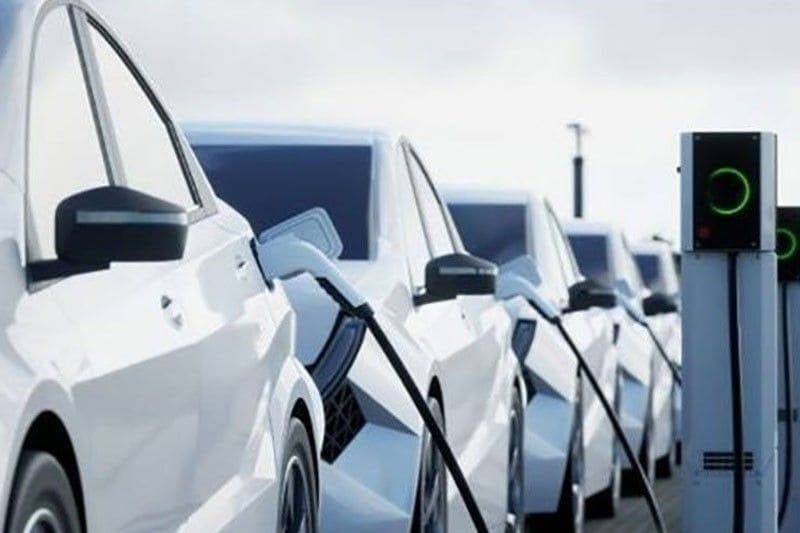
BYD Cars Philippines expects electrified vehicle sales to keep climbing, but the company is pressing local authorities to accelerate permits for charging stations. Bob Palanca, managing director of the unit, said faster approvals from municipal governments are essential to keep pace with demand. The company's distributor, ACMobility, operates over 200 charging locations nationwide and aims to reach 1,000 points by year-end, yet permitting remains a friction point.
Presidential remarks during the recent State of the Nation Address endorsed the shift toward new energy vehicles, which Palanca described as a tailwind for the sector. High fuel costs this year have accelerated buyer interest, according to the executive.
Market Snapshot
New energy vehicles accounted for 22.3 percent of all passenger car sales in the Philippines through June, according to ACMobility CEO Jaime Alfonso Zobel de Ayala. The figure marks a sharp rise in a market where internal combustion engines have long dominated. ACMobility, the mobility arm of the Ayala conglomerate, distributes BYD passenger models in the country.
The company introduced two additions to its local lineup, the Seal 5 sedan and Atto 2 sport utility vehicle, as part of efforts to broaden the electrified portfolio. Zobel said the launches are designed to make electric mobility accessible to a wider customer base.
Permit Lag
Palanca singled out permitting delays at the local government level as a constraint on charging infrastructure rollout. He called for streamlined processes to help operators deploy stations more quickly. The Philippines comprises over 1,600 cities and municipalities, each with its own regulatory procedures, a structure that can slow network expansion.
The charging network gap remains a common concern among prospective EV buyers in Southeast Asia. Range anxiety and station availability continue to influence purchase decisions, even as vehicle prices become more competitive.
Fuel Price Impact
Gasoline and diesel prices in the Philippines have climbed this year, narrowing the cost gap between conventional and electric powertrains. The price environment has brought operating cost comparisons into sharper focus for fleet operators and individual buyers alike.
BYD, headquartered in Shenzhen, has expanded rapidly across Southeast Asia in recent years, entering markets including Thailand, Indonesia, and Vietnam. The company ranks among the world's largest producers of battery electric and plug-in hybrid vehicles. In the Philippines, the brand competes with legacy automakers that have begun introducing their own electrified models, as well as newer entrants targeting the region's growing EV segment.
Policy Context
The Philippine government has signaled support for electrified transport through tax incentives and public procurement preferences, though infrastructure investment has lagged behind vehicle adoption. The Department of Energy is drafting a comprehensive charging station roadmap, but implementation timelines remain uncertain.
ACMobility's expansion plan reflects confidence in sustained demand, even as the broader auto market faces headwinds from interest rate volatility and import costs. The company's push to triple its charging footprint by year-end will test whether permitting reforms can keep pace with private sector investment.
Industry observers will watch whether other markets in the region encounter similar regulatory friction as EV penetration rises. The balance between local government autonomy and national infrastructure goals is likely to shape the speed of Southeast Asia's transition away from fossil fuel vehicles.
RELATED STORIES

Philippines Energy Budget Climbs 26% as Electric Vehicle Funding Surges
Priyanka V. Rao · 3 min

Philippine Water Operator Earmarks $400 Million for Southeast Asia Expansion
Mariel D. Santos · 2 min

Five ASEAN Members Back Regional Oil Stockpile as Study Nears Completion
Tran Quoc Bao · 3 min
Philippine Manufacturing Expands at Fastest Pace Since 2016
Priyanka V. Rao · 3 min
Spot something wrong? Email editor@briefasia.com. We log every correction publicly.