Finance · Markets
Bursa Malaysia Prepares Four-Year Growth Plan Anchored in Digital Assets and IPOs
The Malaysian exchange will unveil its 2027-2030 roadmap in Q4 2026, targeting tokenisation, ETF expansion, and deeper liquidity through strategic listings.
KEY TAKEAWAYS
- ·Bursa Malaysia will unveil its 2027-2030 strategic roadmap in Q4 2026, emphasising tokenisation, expanded ETF offerings including digital currency products, and a stronger IPO pipeline.
- ·The exchange is exploring post-trade service expansion and strategic partnerships to diversify revenue beyond trading fees and capture more transaction value.
- ·Larger listings and deeper market liquidity remain priorities, alongside enhanced sustainability commitments and the launch of the MyBursa mobile application for retail investors.
A Digital Pivot for Southeast Asia's Markets
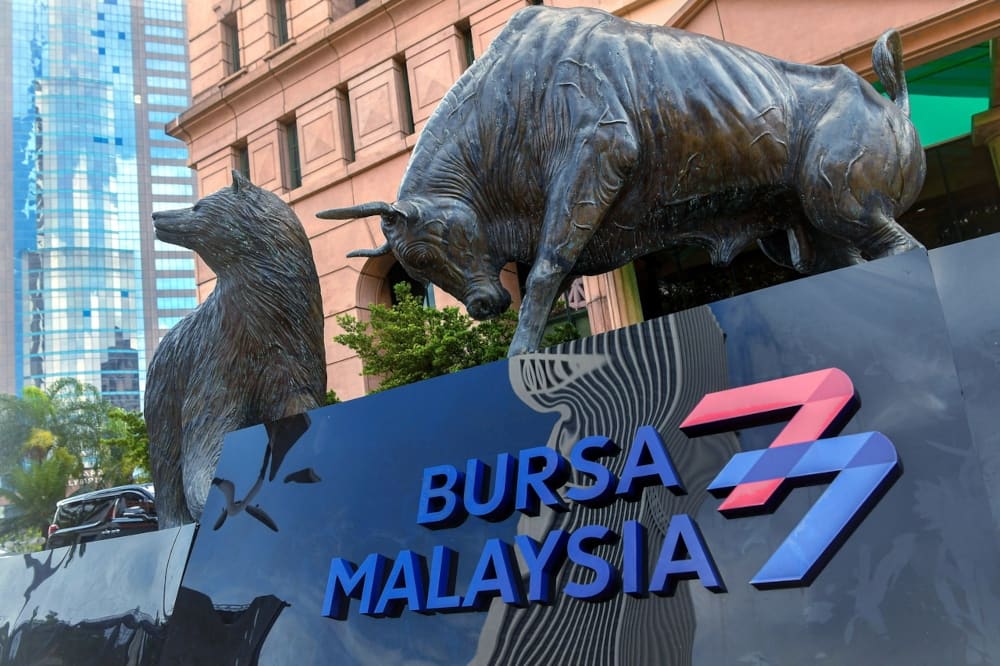
Bursa Malaysia is preparing to release a comprehensive strategic roadmap for 2027 through 2030 that signals a decisive shift toward digital infrastructure and non-trading revenue. The plan, expected to be unveiled in the fourth quarter of 2026, prioritises tokenisation experiments, an expanded suite of exchange-traded funds including digital currency products, and a concerted effort to attract larger initial public offerings that can lift market depth.
Chief executive Datuk Fad'l Mohamed confirmed that the exchange has been refining the plan since late 2025 and is now in the final stages of alignment with the Securities Commission's broader Capital Market Master Plan. The roadmap follows the completion of Bursa Malaysia's current three-year plan, which runs through the end of 2026.
Tokenisation and Post-Trade Services Take Center Stage
At the heart of the new strategy lies an exploration of blockchain-based tokenisation, a technology that allows traditional financial instruments to be represented and traded on distributed ledgers. Bursa Malaysia is evaluating how tokenised assets can complement its existing equity and derivatives markets, particularly in cross-border settlement and custody applications where speed and transparency matter.
The exchange is also examining opportunities in post-trade services, the back-office plumbing that includes clearing, settlement, and custody. By expanding these offerings, Bursa Malaysia aims to capture a larger share of the transaction value chain and reduce reliance on trading fees, which can fluctuate with market sentiment and volumes.
Fad'l emphasised that data, digital platforms, and technology-enabled revenue streams will form the backbone of the new roadmap. The exchange is assessing strategic partnerships that could broaden distribution channels and accelerate entry into emerging product categories.
ETF Expansion and the Digital Currency Question
Exchange-traded funds have become a focal point for retail and institutional investors seeking diversified, low-cost exposure to asset classes. Bursa Malaysia plans to widen its ETF lineup, with digital currency ETFs explicitly mentioned as part of the product development pipeline.
Digital currency ETFs, which track the performance of cryptocurrencies or related indexes without requiring investors to hold the underlying tokens, have gained traction in markets including the United States and Hong Kong. By introducing similar instruments, Bursa Malaysia would offer Malaysian investors regulated access to an asset class that has historically been fragmented across offshore exchanges and unregulated platforms.
The exchange has not disclosed a timeline for launching digital currency ETFs, but the inclusion in the strategic roadmap suggests regulatory discussions are underway with the Securities Commission.
A Stronger IPO Pipeline to Lift Liquidity
Bursa Malaysia is placing renewed emphasis on attracting larger listings, recognising that a handful of substantial IPOs can materially improve market liquidity and investor sentiment. Smaller listings, while valuable for issuers, often trade thinly and struggle to sustain institutional interest beyond the debut.
The exchange is working to build a robust pipeline of companies across sectors and growth stages, with a particular focus on firms that can anchor trading volumes and serve as bellwethers for broader market trends. Fad'l noted that strengthening Bursa Malaysia's role as the primary fundraising platform for Malaysian businesses remains a core objective.
Sustainability and Customer Experience
Decarbonisation will feature more prominently in the 2027-2030 roadmap, reflecting both regulatory pressure and investor demand for climate-aligned portfolios. Bursa Malaysia has been a regional leader in sustainability disclosure requirements, and the new plan is expected to deepen those commitments with measurable targets.
On the customer experience front, the exchange is developing the MyBursa mobile application, designed to streamline account management, market data access, and investor education. The app is part of a broader push to engage retail participants, who have historically been underrepresented in Malaysian equities compared to regional peers such as Thailand and Indonesia.
Islamic Capital Market Leadership
Bursa Malaysia continues to leverage its position as a hub for Islamic finance, with plans to expand Shariah-compliant products and attract issuers seeking access to Malaysia's deep pool of Islamic institutional capital. The exchange's Islamic market infrastructure, including dedicated indices and sukuk listings, remains a differentiator in Southeast Asia.
The strategic roadmap will be finalised and presented to stakeholders in the coming months, with implementation beginning in early 2027. Fad'l's remarks followed the release of Bursa Malaysia's first-half 2026 financial results, though specific performance figures were not disclosed in the briefing.
RELATED STORIES
K-One Technology Shares Surge 15% on RM94 Million Subsidiary Sale Vote
Tran Quoc Bao · 3 min
Malaysian Equities Climb in Morning Session as Regional Investors Weigh Oil Price Rally
Anand Sundaram · 3 min
CIMB Tests Digital Sukuk Settlement in $343 Million Malaysia Pilot
Priyanka V. Rao · 3 min
Malaysia Hospital Group A1Health Prepares US$1.7 Billion IPO for Early 2027
Tran Quoc Bao · 2 min
Spot something wrong? Email editor@briefasia.com. We log every correction publicly.