Finance · Markets
Bursa Malaysia Edges Higher on Oil, Gas and Utilities Demand
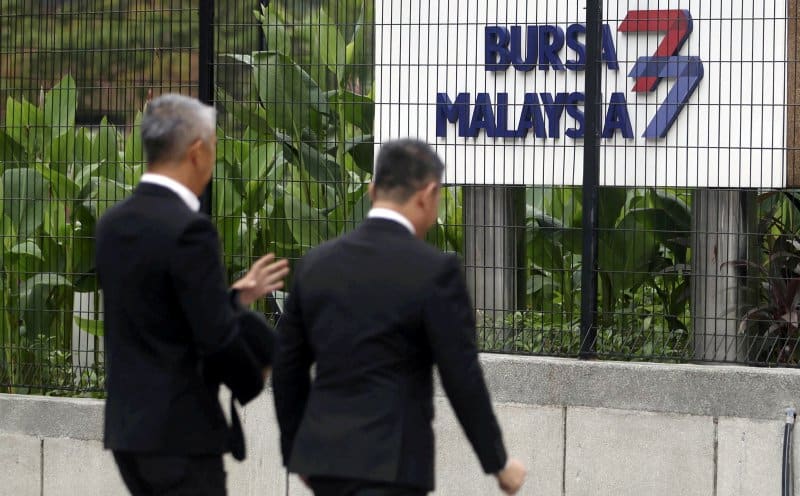
The benchmark index gained over three points to close at 1,714 as the ringgit held steady and cryptocurrency markets showed mixed performance.
KEY TAKEAWAYS
- ·Malaysia's 30-stock benchmark index closed at 1,714 on July 23, gaining just over three points on buying in oil, gas and utilities sectors.
- ·The ringgit remained flat at 4.0895 against the US dollar, while Bitcoin traded at RM268,453 and Solana dropped to RM315 on local exchanges.
- ·Energy and utilities stocks led the session, reflecting investor preference for defensive sectors with stable earnings visibility ahead of corporate results and central bank signals.
Energy Sectors Lift Malaysian Equities
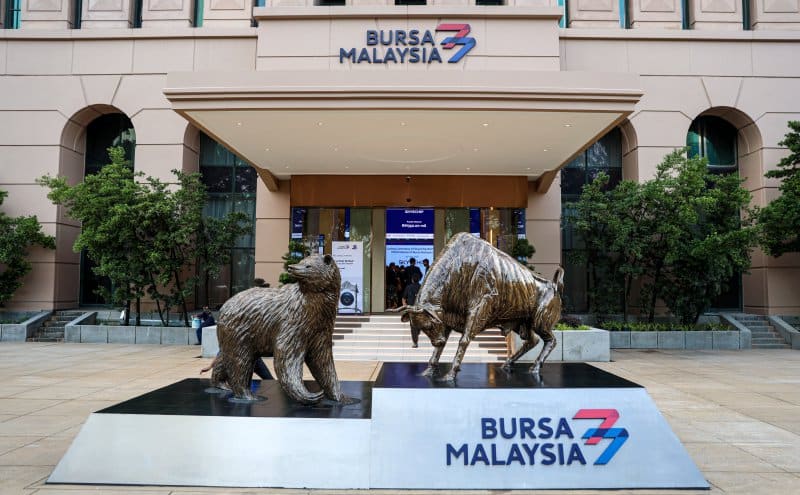
Malaysia's equity market posted modest gains in afternoon trading on July 23, with the 30-stock benchmark index climbing just over three points to settle at 1,714. The uptick came on the back of investor appetite for oil and gas stocks alongside utilities, reflecting a sector rotation into energy-linked names as regional markets digested commodity price movements and infrastructure spending signals.
The buying interest in these defensive and commodity-sensitive sectors provided enough momentum to offset weakness elsewhere in the market. Trading volumes remained moderate, suggesting cautious positioning among institutional investors ahead of corporate earnings releases and central bank policy signals across Southeast Asia.
Currency and Digital Assets Show Divergence
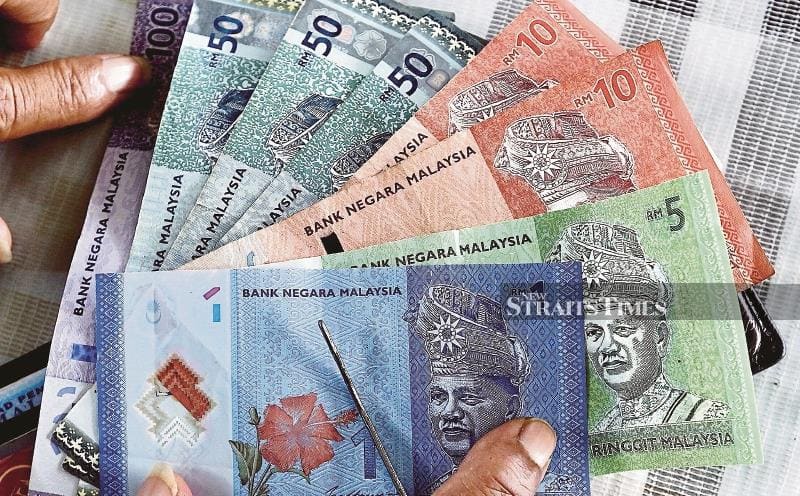
Malaysia's ringgit closed essentially unchanged against the US dollar at 4.0895, holding within a narrow band that has characterized recent sessions. The stability suggests limited capital flow pressure in either direction, with traders waiting for clearer macro catalysts before establishing stronger directional bets.
In contrast, cryptocurrency markets displayed sharper volatility. Bitcoin traded at RM268,453 on Malaysian exchanges, while Ethereum posted gains of RM7,863. Solana, however, fell sharply to RM315, reflecting the divergent sentiment across different layers of the digital asset ecosystem. The mixed performance in crypto mirrors broader risk-on, risk-off dynamics playing out in regional markets, where investors are balancing growth optimism against persistent inflation concerns and monetary policy uncertainty.
Energy Sector in Regional Context
The strength in oil and gas stocks aligns with broader trends across Southeast Asian bourses, where energy names have benefited from stabilizing crude prices and government infrastructure commitments. Malaysia's upstream and midstream players have been particularly active, with several companies announcing capacity expansion plans and joint ventures aimed at capturing growing demand from industrial and export markets.
Utilities also drew interest, likely driven by their defensive characteristics and stable dividend profiles. As regional central banks navigate the tail end of tightening cycles, income-generating sectors have regained favor among yield-focused institutional portfolios. Malaysia's power generation and distribution companies offer relatively attractive valuations compared to peers in Singapore and Thailand, making them a natural destination for rotational flows.
Market Dynamics and Investor Positioning
The marginal gain in the benchmark index, while modest, signals resilience in a market that has faced headwinds from global growth concerns and currency volatility earlier in the year. The fact that energy and utilities led the session suggests investors are favoring sectors with clearer earnings visibility and less exposure to consumer discretionary weakness.
The flat ringgit performance, meanwhile, removes one variable from the investment equation. A stable currency reduces hedging costs for foreign investors and provides a more predictable backdrop for cross-border capital allocation. If the ringgit continues to trade in a tight range, it could encourage greater participation from regional funds looking to diversify away from more volatile currencies in the region.
Cryptocurrency price action on Malaysian exchanges continues to track global trends, with Bitcoin maintaining relative stability while altcoins like Solana face sharper sell-offs. The divergence underscores ongoing debates about the sustainability of gains in smaller-cap digital assets, particularly as regulatory scrutiny intensifies across Asia. Malaysia's crypto trading community remains active, but institutional adoption has been slower compared to markets like Singapore and Hong Kong, where clearer regulatory frameworks have emerged.
What Lies Ahead
Near-term market direction will likely depend on earnings results from major listed companies and any policy announcements from Bank Negara Malaysia. The central bank's stance on rates and liquidity conditions will be closely watched, especially as inflation data from the region has shown mixed signals. Energy stocks may continue to attract interest if crude prices hold above recent lows, while utilities could remain a safe haven if broader market volatility picks up.
Currency traders will be monitoring US economic data and Federal Reserve commentary for clues on dollar strength, which directly impacts the ringgit's trajectory. Any significant move in the dollar could prompt reassessment of Malaysian asset allocations, particularly among foreign institutional investors who have been gradually increasing their exposure to the market this year.
For now, the modest gain in Bursa Malaysia reflects a market in wait-and-see mode, with sector-specific strength providing just enough lift to keep the benchmark index in positive territory. Whether this translates into a sustained rally will depend on earnings momentum and the broader risk appetite across Asian markets in the weeks ahead.
RELATED STORIES
Malaysia's KLCI Index to Add 20 Stocks in Phased Expansion
Jun-ho Seo · 2 min
Malaysian Ringgit Strengthens on Strong US Jobs Data
Tran Quoc Bao · 3 min
Ringgit Strengthens as Malaysia's Stable Rates Signal Policy Flexibility
Mariel D. Santos · 3 min
Ringgit Set to Hold Gains as Malaysia Central Bank Meeting Nears
Priyanka V. Rao · 3 min
Spot something wrong? Email editor@briefasia.com. We log every correction publicly.