Technology · Products
BOE Shifts Strategy from Price Wars to Premium Display Innovation
China's largest panel maker pivots toward technology-driven value creation as the global display industry faces margin pressure
KEY TAKEAWAYS
- ·BOE Technology Group, the world's largest display panel manufacturer, is moving away from price-based competition toward technology differentiation and premium product segments.
- ·The strategic shift comes as persistent oversupply and margin pressure force recalibration across the global display industry, with LCD panel prices declining by double digits in 2025.
- ·BOE's pivot toward innovation could reshape competitive dynamics across East Asian manufacturing, intensifying pressure on South Korean technology leaders and Taiwanese mid-tier producers.
Strategic Pivot
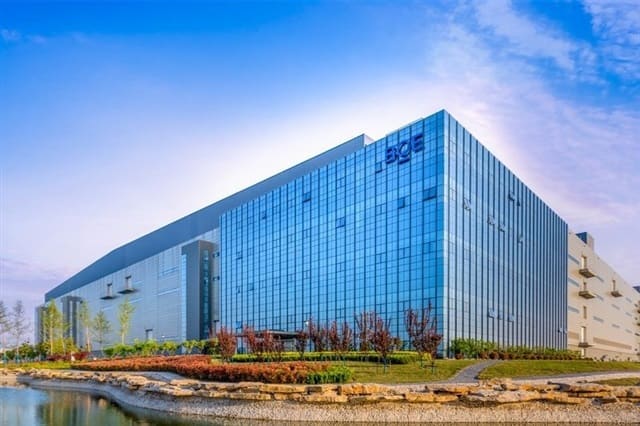
BOE Technology Group, the world's largest display panel manufacturer by shipment volume, is repositioning its business model away from price-based competition and toward technology differentiation. The Shenzhen-based company announced plans to elevate the value proposition of Chinese-made display products through increased investment in innovation rather than continuing to compete primarily on cost.
The strategic shift represents a departure from the approach that helped Chinese panel makers capture dominant global market share over the past decade. BOE now controls approximately one-quarter of worldwide display panel capacity, a position built largely on aggressive pricing that pressured established players in South Korea, Japan, and Taiwan.
Market Context
The decision comes as the global display industry grapples with persistent oversupply and compressed margins. Panel prices have remained under pressure since 2022, when capacity additions outpaced demand growth in key segments including televisions, monitors, and notebook computers. Industry data shows average selling prices for large-format LCD panels declined by double digits in 2025, squeezing profitability across the supply chain.
BOE's move suggests recognition that further price reductions offer diminishing returns in an already commoditized market. The company has faced margin pressure despite its scale advantages, with operating profit margins hovering in the low single digits for core display operations over the past two years.
Innovation Focus
The company is directing resources toward advanced display technologies including OLED panels for premium smartphones and tablets, high-refresh-rate displays for gaming applications, and specialized panels for automotive and industrial uses. These segments typically command higher margins than commodity LCD products.
BOE has expanded research and development spending by approximately 15 percent year-over-year, according to company filings, with particular emphasis on flexible OLED technology where Samsung Display and LG Display currently hold technical leadership. The company operates multiple pilot production lines for next-generation display architectures.
The strategic reorientation also reflects pressure from Chinese government initiatives encouraging domestic technology companies to move up the value chain. Beijing has signaled reduced appetite for subsidizing low-margin manufacturing that competes primarily on price, instead directing policy support toward companies demonstrating technological advancement.
Regional Implications
BOE's strategy adjustment carries significance beyond its own operations. The company serves as a bellwether for China's broader display ecosystem, which includes dozens of panel makers, equipment suppliers, and materials producers. A shift toward value-driven competition could reshape competitive dynamics across East Asian display manufacturing.
South Korean manufacturers Samsung Display and LG Display have already consolidated production capacity and exited certain commodity segments in response to Chinese competition. BOE's pivot toward premium products may intensify competition in the high-margin segments where Korean companies have maintained leadership.
Taiwan-based panel makers including Innolux and AUO, which have struggled with profitability amid Chinese capacity expansion, face a more complex competitive landscape. If BOE successfully executes its innovation strategy, Taiwanese manufacturers may find themselves squeezed between Chinese scale and Korean technology leadership.
Execution Challenges
The transition from volume-driven to value-driven manufacturing presents execution risks. Display technology development requires sustained investment over multi-year cycles, and BOE must demonstrate differentiated capabilities in markets where established players hold patent portfolios and customer relationships built over decades.
Customer acceptance represents another hurdle. Major electronics brands including Apple, Samsung Electronics, and Chinese smartphone makers have qualified BOE as a supplier for certain products, but premium segments demand consistent yield rates and performance specifications that have historically favored incumbent suppliers.
The company's ability to maintain pricing discipline while investing in technology will be closely watched. Competitors have questioned whether Chinese manufacturers can resist reverting to aggressive pricing when faced with utilization pressures or market share challenges.
Industry observers note that successful execution of BOE's strategy could accelerate the maturation of China's display sector, potentially establishing new competitive benchmarks for the global industry. The outcome will influence investment decisions and capacity planning across the Asian display supply chain through the remainder of the decade.
RELATED STORIES
China's Battery Dominance Faces Quality Test as CALB Defect Spreads
Anand Sundaram · 3 min
China's Chip Makers Split Three Ways Beneath the Revenue Growth
Tran Quoc Bao · 3 min

LG Pivots to AI-Defined Vehicle Platform as Korea Chases China's Self-Driving Lead
Jun-ho Seo · 3 min

China's Auto Chip Race Shifts to Volume as Horizon Robotics Crosses 15 Million Units
Jun-ho Seo · 3 min
Spot something wrong? Email editor@briefasia.com. We log every correction publicly.