Finance · Deals
Big Pharma Pivots to Chinese Biotech Investments as Valuations Promise Growth
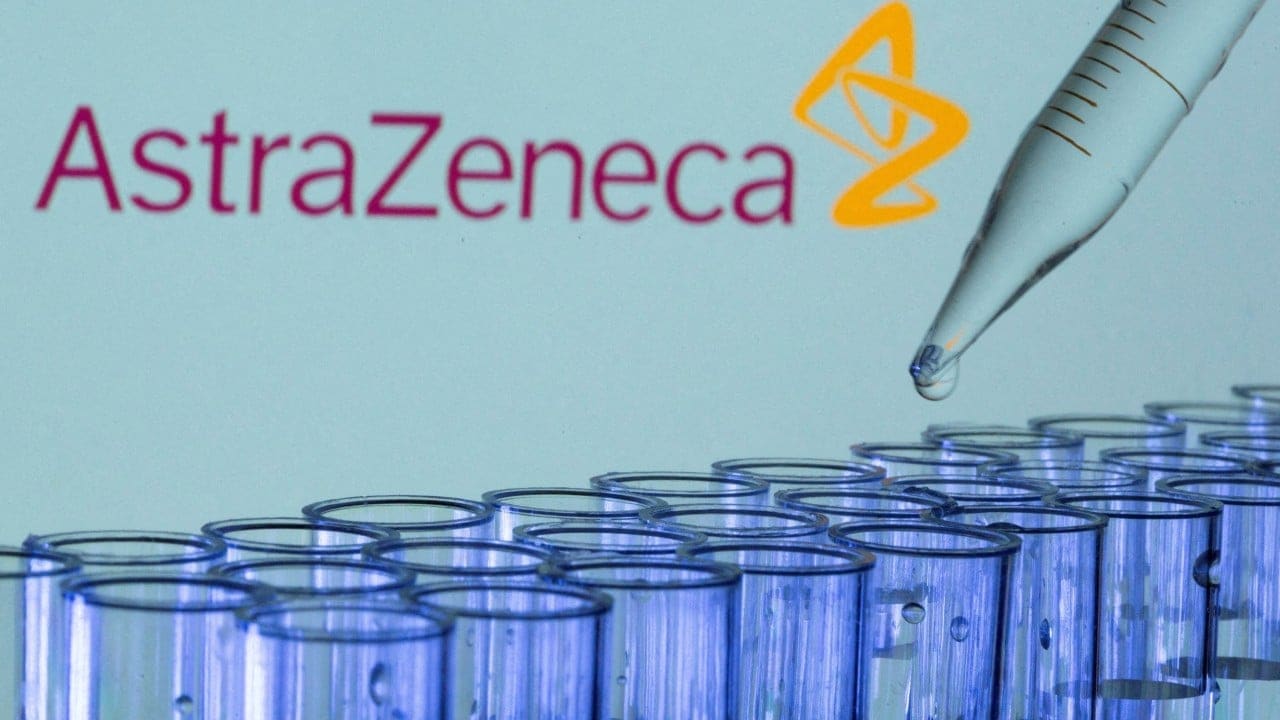
Multinational pharmaceutical companies are moving away from heavy operations in China, choosing instead to back the country's rapidly expanding biotech sector through strategic investments.
KEY TAKEAWAYS
- ·Global pharmaceutical companies are moving away from asset-heavy operations in China and instead investing directly in domestic biotech firms, seeking valuation growth and innovation access.
- ·Chinese biotech companies trade at significant discounts to Western peers with comparable pipelines, creating attractive entry points for multinational investors looking to refresh drug portfolios.
- ·The strategic shift allows foreign pharma to navigate China's pricing pressures and regulatory complexity while tapping into a maturing life sciences ecosystem through local partnerships.
A Strategic Shift in China Operations
Global pharmaceutical companies are recalibrating their approach to the Chinese market, replacing traditional heavy-footprint operations with targeted investments in domestic biotech firms. The shift reflects growing confidence in China's life sciences innovation ecosystem and the sector's potential for substantial valuation expansion.
Speaking at the Global Health Summit in Hong Kong, which wrapped up over the weekend, industry executives highlighted the strategic pivot. Multinational drug makers are increasingly viewing Chinese biotech companies as partners and acquisition targets rather than competitors or distribution channels.
Valuation Opportunity Drives Interest
The rationale centers on valuation dynamics. Chinese biotech firms, many still in clinical-stage development, trade at significant discounts compared to Western counterparts with similar pipelines. This gap creates an opening for established pharmaceutical players to secure early stakes in promising assets at favorable entry points.
Xu Chenming, who leads the healthcare practice at Citic Securities in Hong Kong, noted that the industry's business model in China is undergoing fundamental transformation. Rather than building manufacturing plants, sales forces, and administrative infrastructure, multinationals are deploying capital directly into equity positions and licensing deals.
The approach offers several advantages. It reduces regulatory exposure, lowers fixed costs, and allows foreign companies to tap into Chinese innovation without the operational burden of maintaining large local subsidiaries. For Chinese biotech firms, the arrangement brings validation, capital, and potential pathways to international markets.
Innovation Pipeline Attracts Capital
China's biotech sector has matured rapidly over the past decade. Domestic companies now compete in areas ranging from oncology and immunology to rare diseases and gene therapy. Many have built capabilities in drug discovery, clinical development, and regulatory navigation that match international standards.
The innovation output has caught the attention of Big Pharma executives searching for external growth. With internal R&D productivity under pressure and patent cliffs looming, acquiring or partnering with Chinese biotech firms offers a way to refresh pipelines without the time and expense of developing compounds from scratch.
Several high-profile deals in recent years have validated the model. International pharmaceutical companies have taken stakes in Chinese biotech firms developing novel therapies, often securing rights to commercialize products outside China while leaving domestic rights with the original developer.
Regulatory and Market Access Considerations
The investment strategy also reflects practical realities of operating in China. Regulatory requirements, pricing pressures, and policy shifts have made traditional pharmaceutical business models more challenging. The government has pushed for greater localization and price cuts on imported drugs, squeezing margins for foreign players.
By investing in Chinese companies rather than selling directly, multinationals can navigate these headwinds more effectively. They gain exposure to the world's second-largest pharmaceutical market through local partners who understand the regulatory landscape and have established relationships with hospitals and procurement agencies.
The Hong Kong summit drew executives from across the Asia-Pacific region to discuss trends in healthcare investment and innovation. Participants emphasized that the pharmaceutical industry's engagement with China is entering a new phase, one defined less by sales and distribution and more by capital deployment and strategic partnerships.
Looking Ahead
The trend shows no signs of slowing. As Chinese biotech firms continue to advance clinical programs and generate data, more will attract interest from global pharmaceutical companies seeking to diversify their portfolios. The valuation gap, while narrowing, still offers upside for early investors.
For China's biotech sector, the influx of multinational capital brings both opportunity and scrutiny. Companies will need to demonstrate not just scientific promise but also execution capability and commercial viability. Those that succeed stand to benefit from partnerships that can accelerate development timelines and expand geographic reach.
The strategic pivot by Big Pharma underscores a broader shift in how global companies approach emerging markets. Rather than exporting finished products, they are increasingly investing in local innovation ecosystems, betting that the next generation of breakthrough therapies may come from labs in Shanghai, Beijing, or Shenzhen as much as Boston or Basel.
RELATED STORIES
Hong Kong's Wealth Hub Status Faces Test as Beijing Tightens Tax Enforcement
Cheng Wei-Lun · 3 min

Hong Kong and China Regulators Announce Market Integration Reforms
Cheng Wei-Lun · 3 min

Asian Tech Stocks Surge as Weak US Jobs Data Dims Rate Hike Outlook
Cheng Wei-Lun · 4 min
Shein Retreats From Vietnam Warehouse Bet as China Manufacturing Proves Irreplaceable
Cheng Wei-Lun · 4 min
Spot something wrong? Email editor@briefasia.com. We log every correction publicly.