Asia · Trade
Beijing Condemns US Forced Labour Tariffs as Trade Tensions Resurface
China faces 12.5% duties alongside 59 other nations as Washington enforces import ban, threatening fragile trade truce between the two economies
KEY TAKEAWAYS
- ·The United States imposed tariffs of 10 to 12.5 per cent on 60 countries over forced labour concerns, with China receiving the highest rate of 12.5 per cent.
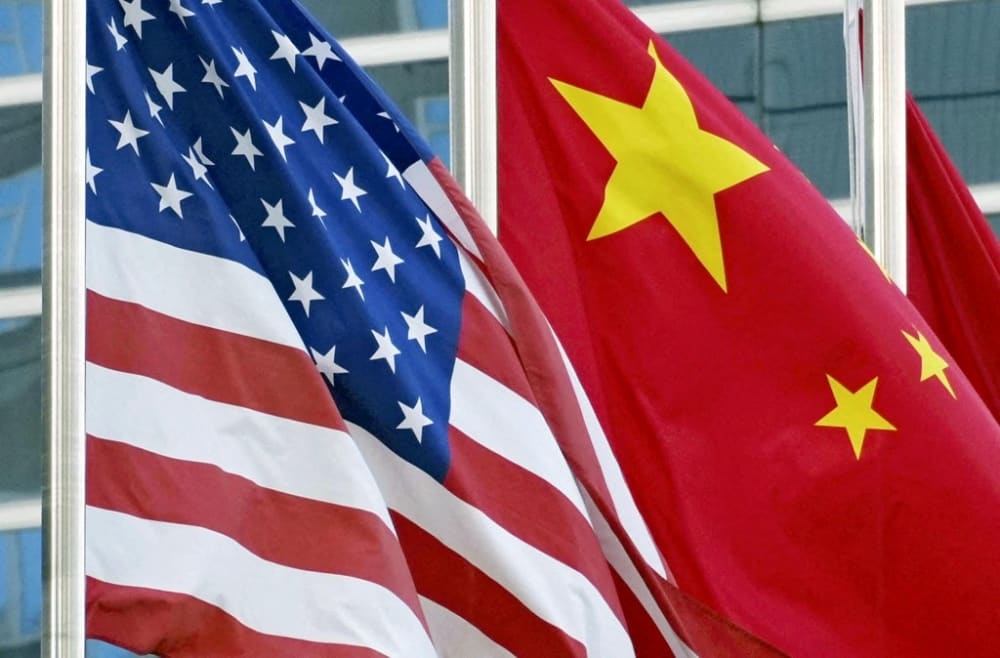
- ·Beijing condemned the measures as unilateral actions harmful to all parties, warning against trade wars months after reaching a truce with Washington in October.
- ·Nations with forced labour bans including Canada and the EU received lower rates, while major Asian economies like India and Japan face 12.5 per cent duties.
China Rejects New Levies
Beijing has strongly rejected fresh tariff measures introduced by Washington on forced labour grounds, cautioning that escalating trade friction serves no party's interests. Chinese foreign ministry spokesperson Lin Jian expressed opposition to unilateral tariff actions during a Friday briefing, emphasising that tariff conflicts damage all participants.
The United States has imposed duties ranging from 10 to 12.5 per cent across 60 nations, with China receiving the steeper rate. The measures replace an earlier global duty that was set to expire, originally rolled out by President Donald Trump earlier in 2026.
Enforcement of Import Ban
US Trade Representative Jamieson Greer framed the tariffs as rigorous enforcement of forced labour import prohibitions, calling on trading partners to adopt similar standards. Nations that have implemented forced labour bans, including Canada, the European Union and the United Kingdom, received the lower 10 per cent rate.
Major Asian economies faced the higher tier. India and Japan were hit with 12.5 per cent tariffs, placing them in the same bracket as China despite their differing labour enforcement frameworks.
Legal and Political Context
The Trump administration moved quickly to reconstruct its tariff architecture after the Supreme Court invalidated multiple duties in February. That ruling constrained the president's ability to deploy steep levies without additional justification, prompting the White House to recast its trade measures under forced labour enforcement.
The new tariffs arrive months after Trump and Chinese President Xi Jinping reached a temporary truce in October following a year of escalating trade confrontation. Trump's subsequent visit to Beijing appeared to open dialogue on tariff reduction, with Chinese officials signalling willingness to collaborate.
Regional Implications
The tiered structure of the new tariffs creates a regulatory divide across Asia. Economies without formal forced labour prohibitions now face a competitive disadvantage in the US market, potentially accelerating legislative action in capitals from New Delhi to Tokyo.
For China, the 12.5 per cent rate compounds existing trade friction and complicates efforts to stabilise commercial relations. The country remains a central node in global supply chains, particularly in electronics, automotive components and industrial machinery, sectors where even modest tariff increases can shift sourcing decisions.
The forced labour framing also presents a diplomatic challenge. While Washington positions the tariffs as human rights enforcement, Beijing views them as protectionist tools disguised as ethical policy. This divergence complicates negotiation, as neither side can easily concede without appearing to compromise core principles.
What Comes Next
The durability of the October truce now appears uncertain. Chinese officials have not yet announced specific countermeasures, but Lin Jian's warning about trade wars suggests Beijing is weighing its response. Retaliatory tariffs on US agricultural products or technology exports remain options, though such moves would risk unwinding recent progress.
For Asian exporters, the immediate task is compliance mapping. Firms supplying the US market must now demonstrate adherence to forced labour standards or face higher duties, a requirement that demands supply chain audits and documentation upgrades. Smaller manufacturers in Southeast Asia and South Asia may struggle with the administrative burden, potentially consolidating market share among larger players with established compliance infrastructure.
The tariff announcement also tests the limits of trade policy as a tool for labour enforcement. While import bans can create economic incentives for reform, their effectiveness depends on credible verification mechanisms and consistent application, both of which remain contested in international trade governance.
RELATED STORIES
Beijing Warns Domestic EV Makers Against Overseas Price Wars
Cheng Wei-Lun · 3 min
Honda Demands 30% Price Cuts From Suppliers in $9.4 Billion Cost Plan
Cheng Wei-Lun · 3 min
Malaysia's Rare Earth Deposits Draw Foreign Interest Ahead of China Export Controls
Priyanka V. Rao · 3 min
Shein Drops 4% in Hong Kong Debut as Tariff Pressure Weighs on Valuation
Priyanka V. Rao · 4 min
Spot something wrong? Email editor@briefasia.com. We log every correction publicly.