Technology · Products
Battery Defects Hit 210,000 Chinese EVs as CALB Quality Crisis Undermines Diversification Push
Cell swelling and electrolyte leaks in GAC Aion vehicles expose risks in automakers' efforts to reduce dependence on CATL
KEY TAKEAWAYS
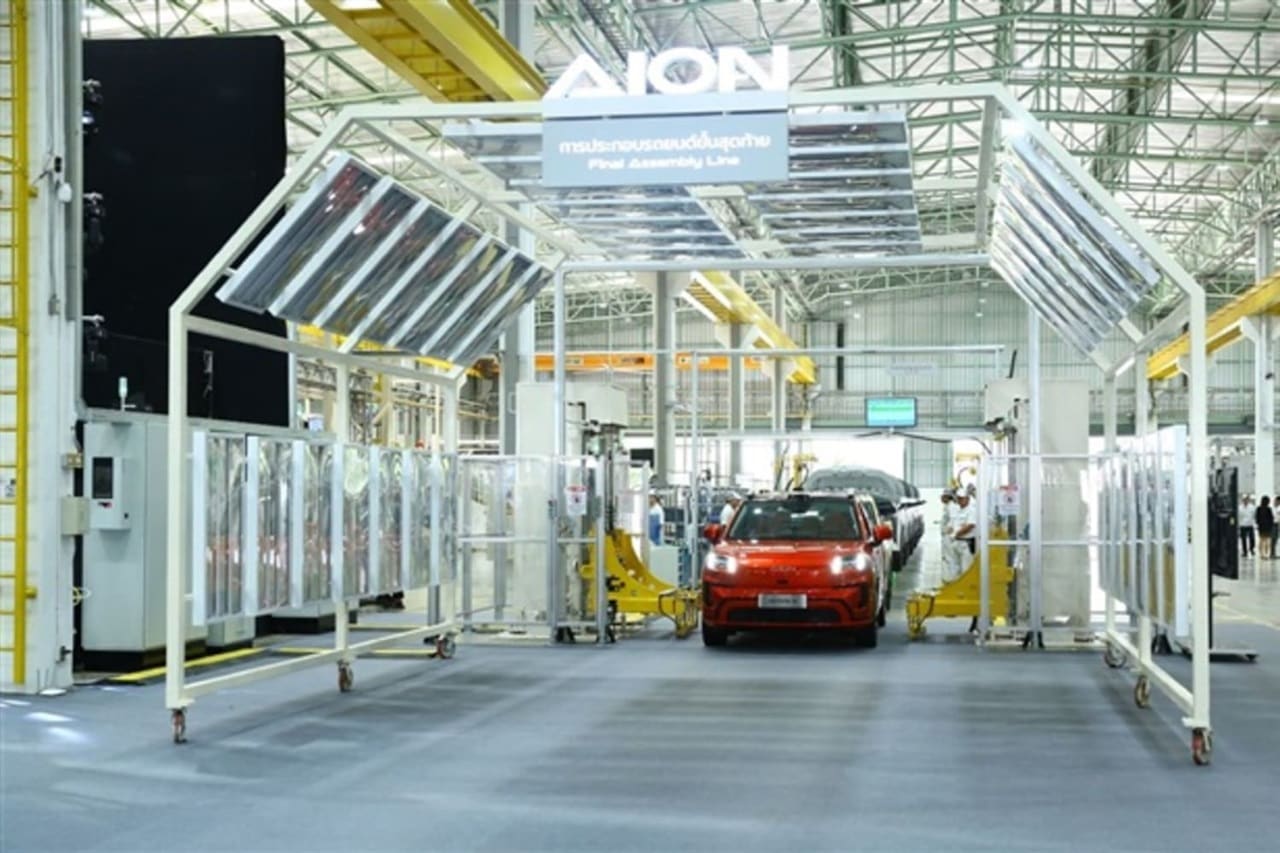
- ·Over 210,000 GAC Aion S vehicles in ride-hailing and taxi fleets face battery cell swelling, electrolyte leaks, and insulation failures from CALB-supplied LFP cells.
- ·GAC had adopted CALB to reduce dependence on CATL, which controls 37 percent of the global EV battery market and wields significant pricing power over automakers.
- ·The quality crisis now forces Chinese automakers to weigh supplier diversification benefits against execution risks from manufacturers with shorter field validation histories.
Scale of the Problem
More than 210,000 electric vehicles in China are now caught in a battery quality crisis that threatens to reshape how automakers source their power cells. GAC Aion S models used in ride-hailing and taxi fleets have experienced cell swelling, electrolyte leakage, and insulation failures across vehicles equipped with lithium iron phosphate batteries from China Aviation Lithium Battery.
The defects center on LFP chemistry cells supplied to GAC Group, one of China's state-owned automotive manufacturers. The affected vehicles operate primarily in commercial fleets, where high utilization rates and demanding duty cycles have accelerated the emergence of the quality issues. Fleet operators report vehicles experiencing sudden range degradation and, in some cases, complete battery pack failures requiring replacement.
The Diversification Gambit
GAC and other Chinese automakers had turned to CALB as part of a deliberate strategy to reduce their reliance on Contemporary Amperex Technology Ltd., which commands approximately 37 percent of the global EV battery market. CATL's dominance has given it significant pricing power and leverage over production schedules, prompting automakers to cultivate alternative suppliers.
CALB emerged as an attractive option. The company, backed by state-owned China Aviation Lithium Battery Technology, offered competitive pricing on LFP cells and had expanded production capacity to meet growing demand. For GAC, diversifying battery procurement was meant to improve negotiating leverage and ensure supply chain resilience.
That calculus is now under review. The quality failures have exposed the gap between established battery manufacturers with years of field data and newer entrants still refining their production processes. LFP batteries, while cheaper and more thermally stable than nickel-based chemistries, still require precise manufacturing tolerances to prevent the cell degradation now appearing in the affected Aion S vehicles.
Commercial Fleet Impact
The concentration of failures in ride-hailing and taxi applications has amplified the crisis. These vehicles typically accumulate 150 to 200 kilometers per day, far exceeding private passenger car usage patterns. Fleet operators work on thin margins, and unexpected battery replacements represent a significant unplanned capital expense.
Several fleet management companies in Guangzhou and Shenzhen have reportedly suspended purchases of Aion S vehicles pending resolution of the battery issues. GAC has not publicly disclosed a comprehensive recall plan, though the company is understood to be in discussions with CALB about warranty claims and replacement timelines.
Supplier Concentration Dilemma
The episode highlights a persistent tension in the Asian EV supply chain. Automakers want competitive supplier options to avoid over-dependence on any single battery maker. Yet battery cell production involves complex electrochemistry and manufacturing precision that only a handful of companies have mastered at scale. Quality inconsistencies can emerge when automakers prioritize price or supply availability over proven track records.
CATL, BYD, and South Korea's LG Energy Solution and Samsung SDI have invested billions in quality control systems and accumulated field performance data across millions of vehicles. Newer entrants like CALB operate with shorter validation histories, and the current failures suggest those gaps matter in real-world operating conditions.
What Automakers Face Next
GAC must now manage warranty exposure across more than 210,000 vehicles while maintaining its relationship with fleet customers who depend on vehicle uptime for revenue. The company faces a choice: revert to CATL and accept reduced bargaining power, or work with CALB to resolve the quality issues and preserve supplier diversity.
Other Chinese automakers watching the situation closely include Geely, Chery, and SAIC Motor, all of which have pursued multi-supplier strategies for battery procurement. The CALB quality crisis may prompt tighter qualification standards and longer validation periods before new battery suppliers are approved for volume production.
The immediate question is whether CALB can identify the root cause of the cell failures and implement corrective actions quickly enough to retain GAC's business. For the broader Chinese EV industry, the incident serves as a reminder that supplier diversification carries execution risk, and that battery quality remains a fundamental constraint on the sector's continued growth.
RELATED STORIES

Hong Kong Debuts Robot-Run Convenience Store in Commercial Automation Push
Cheng Wei-Lun · 3 min

China Scrubs 5.6 Million AI-Generated Posts in Platform Cleanup
Cheng Wei-Lun · 3 min
Chinese Automakers Target Hybrid Market After EV Dominance
Cheng Wei-Lun · 3 min
Volkswagen Probes Chinese Supplier After Hundreds of New Graduates Dismissed
Cheng Wei-Lun · 3 min
Spot something wrong? Email editor@briefasia.com. We log every correction publicly.