Asia · Politics
Bank of Japan Set to Lift Growth Outlook While Holding Rates Steady
Central bank expected to project stronger economic expansion after June's landmark rate hike to 1995 highs

KEY TAKEAWAYS
- ·The Bank of Japan is likely to raise its economic growth forecast at the July policy meeting while keeping the policy rate unchanged after June's hike to the highest level since 1995.
- ·The decision reflects central bank confidence that Japan's recovery is gaining traction, supported by stronger domestic consumption, steady export demand, and rising tourism inflows from across Asia.
- ·Market participants will watch the revised projections for signals on future rate moves, with implications for capital flows and funding costs across the region from Seoul to Jakarta.
Pause After Historic Move
The Bank of Japan is preparing to revise its economic growth forecast upward at its upcoming July monetary policy meeting, even as it holds borrowing costs steady following last month's aggressive rate hike, people with knowledge of the deliberations say.
The expected pause would give policymakers time to assess the impact of June's increase, which pushed the policy rate to its highest point in more than three decades. That move marked the most significant tightening in Japanese monetary policy since 1995, ending an era of ultra-loose stimulus that had defined the central bank's approach for years.
The decision to stand pat on rates while lifting growth projections suggests the BOJ sees the economy gaining momentum without requiring immediate further tightening. Japan's recovery has shown resilience in recent months, supported by stronger domestic consumption and steady export demand across Asia, particularly from manufacturing hubs in Southeast Asia and greater China.
Reading the Recovery
Central bank officials have been parsing data on wage growth, corporate investment, and consumer spending to gauge whether the June rate hike has begun to cool inflation without stalling expansion. Early indicators point to an economy absorbing higher borrowing costs more smoothly than some analysts anticipated.
The upgraded forecast would reflect improving business sentiment and capital expenditure plans among Japanese manufacturers, many of whom have benefited from supply chain diversification across the region. Electronics and automotive suppliers, in particular, have reported stronger order books as production networks shift and expand beyond traditional centers.
Tourism inflows have also contributed to the brighter outlook. Visitor arrivals from across Asia have climbed steadily, injecting fresh demand into retail and hospitality sectors that struggled during the pandemic years. The weaker yen, despite recent rate moves, continues to make Japan an attractive destination for regional travelers.
Balancing Act Ahead
Holding rates steady in July would give the BOJ breathing room to evaluate whether inflation remains on track toward its target without overshooting. Core consumer prices have been rising, but officials want to ensure wage gains are broad enough to sustain demand without triggering a wage-price spiral.
The central bank's challenge lies in threading the needle between supporting growth and preventing inflation from becoming entrenched. Unlike many Western central banks that hiked aggressively over the past two years, the BOJ is navigating the exit from decades of deflation and near-zero rates with deliberate caution.
Market participants will scrutinize the revised growth projections for clues about the timing of any future rate moves. A significantly higher forecast could signal confidence that the economy can handle additional tightening later this year. Conversely, a modest upgrade might suggest the BOJ intends to keep policy on hold for an extended period.
The July meeting will also be watched closely by regional policymakers. Japan's monetary stance has ripple effects across Asian bond and currency markets, influencing capital flows and funding costs from Seoul to Jakarta. A stable policy rate in Tokyo could ease pressure on other central banks in the region that are managing their own inflation and growth trade-offs.
For now, the BOJ appears content to let the June rate hike work its way through the economy while maintaining a constructive view on growth prospects. That combination points to a central bank gaining confidence in the durability of Japan's recovery, even as it proceeds with caution on the path toward policy normalization.
RELATED STORIES
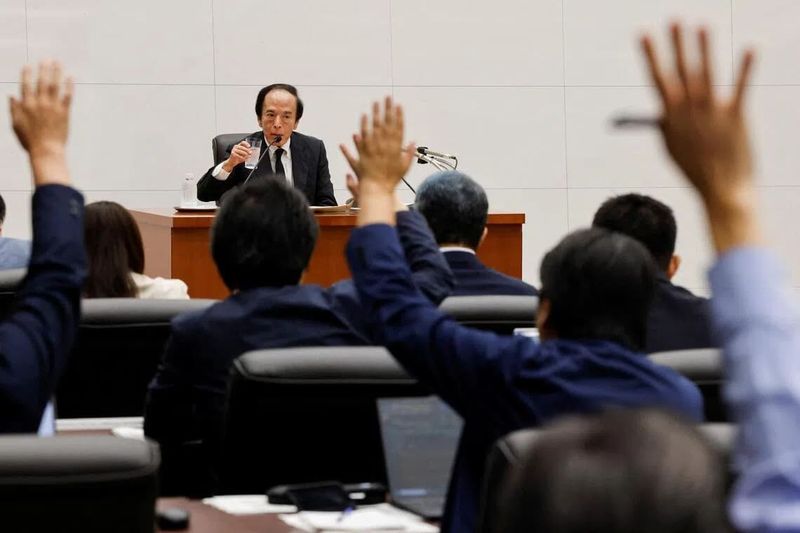
Bank of Japan Eyes Rate Increase as Inflation Risks Mount
Cheng Wei-Lun · 4 min
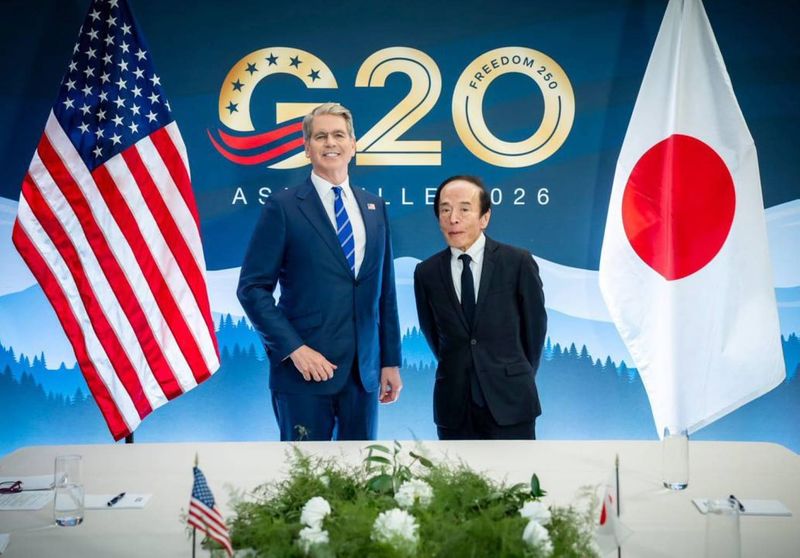
Bank of Japan Signals Possible Rate Increase This Month
Aiko Nakamura · 3 min

Japan Wage Growth Hits 29-Year High, Reinforcing Central Bank Rate Path
Aiko Nakamura · 3 min
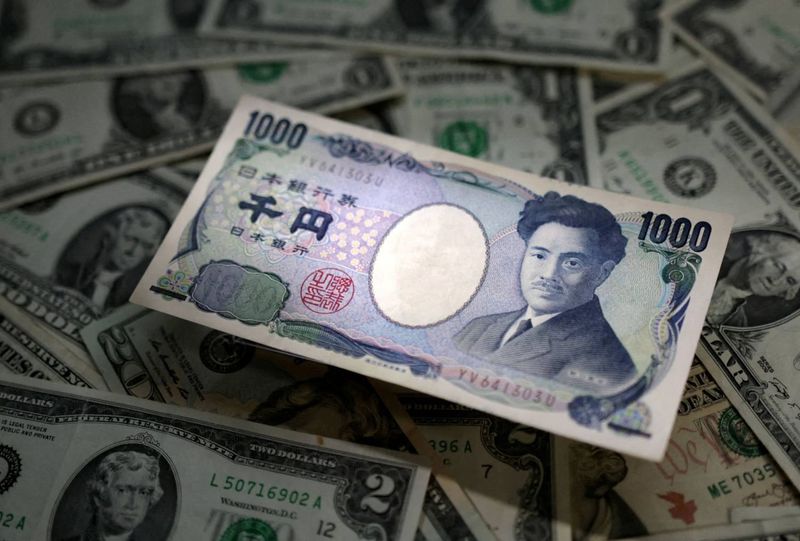
Yen Climbs to Eight-Month High as Rate Hike Expectations Shift Sentiment
Jun-ho Seo · 3 min
Spot something wrong? Email editor@briefasia.com. We log every correction publicly.