Asia · Politics
Bank Indonesia Governor Steps Down as Currency Slumps and Energy Shock Bites
Perry Warjiyo's early exit comes as the rupiah posts its worst regional performance amid Middle East conflict fallout and mounting fiscal pressure
KEY TAKEAWAYS
- ·Perry Warjiyo resigned as Bank Indonesia governor two years before his term ended, with the rupiah down seven percent and interest rates now at 5.75 percent.
- ·Indonesia's equity market has lost roughly one-third of its value in 2026 as energy import costs surge and fuel subsidies strain the budget.
- ·Interim governor Destry Damayanti faces a narrow policy corridor with inflation at 3.34 percent, a weak currency, and mounting political pressure on spending.
Abrupt Departure
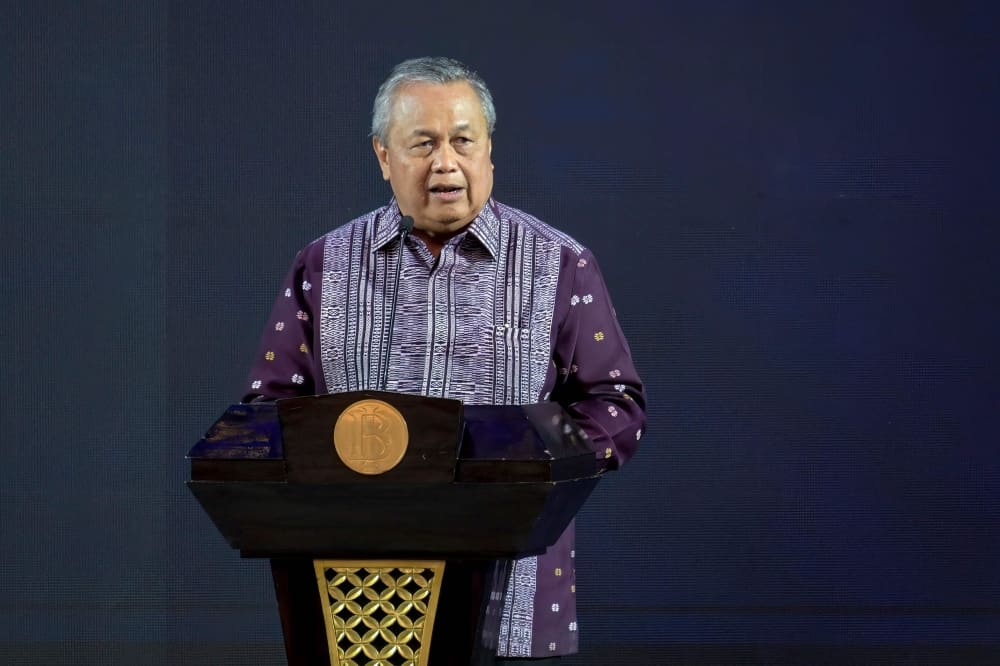
Perry Warjiyo resigned as governor of Bank Indonesia on July 25, cutting short a tenure that began in 2018 and was scheduled to run through 2028. President Prabowo Subianto accepted the resignation and named senior deputy governor Destry Damayanti as interim chief, according to State Secretary Prasetyo Hadi. Warjiyo cited personal reasons but offered no further explanation.
The departure lands at a moment when Indonesia's macroeconomic indicators are under acute stress. The rupiah has dropped roughly seven percent since the outbreak of hostilities in the Middle East, making it the region's weakest currency this year. Bank Indonesia has responded with four quarter-point rate hikes, lifting the benchmark to 5.75 percent, yet the downward pressure persists.
Energy Import Bind
Indonesia's status as a net oil importer magnifies the pain from elevated crude prices. Government policy has held subsidized fuel prices steady even as global benchmarks climbed, protecting consumers but carving deeper into the budget. Non-subsidized petrol saw a one-third price jump, triggering street protests and complicating the central bank's inflation mandate.
Consumer price growth reached 3.34 percent in June, a rate that remains within the official target band but reflects gathering momentum. The combination of sticky fuel subsidies and a sliding currency threatens to widen that gap if import costs continue to feed through retail channels.
Equity Rout and Fiscal Scrutiny
The Jakarta stock market has shed approximately one-third of its value so far in 2026, erasing gains accumulated during the previous cycle and denting household wealth tied to pension and mutual-fund holdings. Foreign portfolio flows have reversed sharply, adding liquidity pressure that compounds the currency's troubles.
Student demonstrations in recent weeks have zeroed in on what protesters call wasteful spending, particularly a multibillion-dollar free-meals program that has since been scaled back. The dual demands - for fiscal discipline and relief from rising living costs - put the administration in a bind: cutting expenditure risks slowing growth, while maintaining outlays deepens the deficit at a time when debt service is climbing.
Transition Risks
Damayanti inherits a policy mix that offers limited room to maneuver. Further rate increases could stabilize the rupiah but would raise borrowing costs for corporates and households already navigating weaker consumption. Holding rates steady preserves credit access yet invites additional currency depreciation and imported inflation.
The interim appointment also injects uncertainty into markets accustomed to continuity at the central bank. Investors will watch closely for signals on whether monetary tightening will persist or whether political pressure for growth stimulus will prompt a dovish pivot. The president is expected to nominate a permanent successor in the coming weeks, with the choice likely to telegraph broader economic priorities.
Regional Context
Indonesia's challenges mirror broader strains across emerging Asia, where energy-import dependence and dollar strength have squeezed external balances. Yet the scale of the rupiah's slide and the equity sell-off suggest market participants view Jakarta's fiscal trajectory as particularly vulnerable. Peer economies with diversified export bases or larger foreign-exchange reserves have weathered the shock with less turbulence.
The resignation underscores how quickly external shocks can compress the policy horizon for central bankers in resource-importing economies. With crude prices still elevated and geopolitical risk premia embedded in energy markets, the incoming leadership will need to balance inflation control, currency stability, and growth support - a juggling act that grows harder as each variable deteriorates.
RELATED STORIES

Indonesia Unveils Bid to Become Global Commodity Price-Setter
Priyanka V. Rao · 3 min

Indonesia's Record Current Account Deficit Threatens Rupiah Stability
Siti Nuraini · 3 min

Indonesia Charges Toba Pulp Lestari in $113 Million Tax Fraud Probe
Siti Nuraini · 3 min

Indonesia Faces Critical Choice Between Resource Control and Industrial Growth
Tran Quoc Bao · 3 min
Spot something wrong? Email editor@briefasia.com. We log every correction publicly.