Asia · Business
Bangkok Caps Electric Rail Fares at $1.36 Under Unified Ticketing Push
Thailand plans to unify its fragmented mass transit system with a single-ticket structure and fare ceiling starting January 2027
KEY TAKEAWAYS
- ·Thailand will cap Bangkok electric rail fares at 45 baht ($1.36) and eliminate transfer charges starting January 2027 under a unified ticketing policy.
- ·The reform targets a fragmented network where passengers currently navigate separate systems; BTS SkyTrain fares now reach 65 baht on some routes.
- ·Legal processes conclude in November 2026, with system testing in December; success depends on operator coordination and technical integration.
A Unified Fare Structure
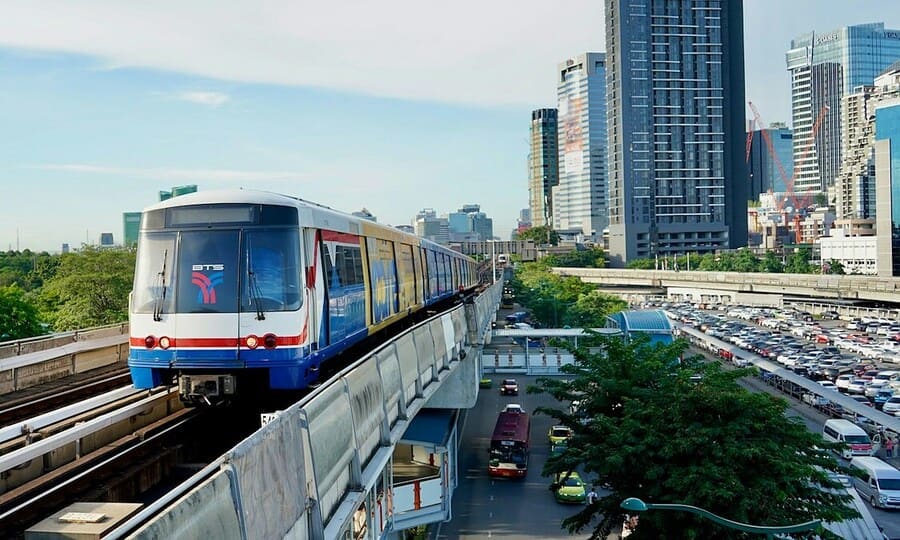
Thailand is moving to unify Bangkok's electric rail system under a single-ticket policy that will cap fares at 45 baht ($1.36) per trip, addressing longstanding complaints about the capital's fragmented mass transit network. The policy is scheduled to take effect on January 1, 2027, according to Deputy Transport Minister Siripong Angkasakulkiat.
Under the new structure, passengers will pay an initial charge capped at 17 baht, which will not be reapplied when transferring between lines. The ceiling fare of 45 baht represents a reduction from current maximums on some routes; the BTS SkyTrain, Bangkok's oldest elevated rail system, currently charges up to 65 baht depending on distance traveled.
Legal and administrative preparations are expected to conclude by November 2026, with system testing beginning the following month. The rollout follows years of criticism from commuters and urban planners who have pointed to the complexity of navigating separate ticketing systems, fare structures, and payment methods across Bangkok's expanding rail network.
The Challenge of Fragmentation
Bangkok's urban rail network has grown piecemeal over the past two decades, with different operators managing individual lines. The BTS SkyTrain, which launched in December 1999 as the city's first mass-transit rail system, now operates approximately 68 kilometers of track and serves 60 stations. In 2025, the SkyTrain recorded 205.4 million trips, a 5.6 percent increase from the previous year.
Yet growth has come with operational friction. Passengers moving between the SkyTrain, the underground MRT, and other lines must purchase separate tickets, often at different fare points and using incompatible payment cards. The lack of integration has been a persistent pain point for daily commuters and a barrier to encouraging wider adoption of public transit in a city notorious for traffic congestion.
The government's common-ticket initiative aims to eliminate these inefficiencies by creating a seamless transfer experience. By standardizing the fare structure and removing the need to re-enter ticketing gates or purchase new tickets when switching lines, officials hope to make rail transit more competitive with private vehicles and ride-hailing services.
Regional Context and Execution Risk
Bangkok's fare cap and ticketing reform come as cities across Southeast Asia grapple with similar challenges in mass transit integration. Singapore's unified fare system, managed under a single regulatory framework, is often cited as a model, while Jakarta and Manila continue to work through coordination issues among multiple operators.
The success of Bangkok's initiative will hinge on execution. The government must align fare compensation mechanisms among operators, some of whom may face revenue pressure under the new cap. Technical integration of ticketing platforms and real-time data sharing will also be critical to avoid service disruptions during the transition.
If implementation proceeds smoothly, the policy could serve as a blueprint for other regional capitals seeking to rationalize fragmented transit networks. But the tight timeline leaves little room for delay; any slippage in legal approvals or system testing could push the January 2027 launch date into uncertainty.
RELATED STORIES

Bangkok to Build $29 Million Pedestrian Bridge Linking Historic Districts
Priyanka V. Rao · 3 min
Thailand Regulator Drafts 20 Measures to Curb Retail Power Over Suppliers
Priyanka V. Rao · 3 min

Thai Consumers Lost $273 Million to Online Fraud in First Half of 2026
Priyanka V. Rao · 3 min

Thailand Faces Two Decades in Middle-Income Trap Without Workforce Upgrade
Priyanka V. Rao · 3 min
Spot something wrong? Email editor@briefasia.com. We log every correction publicly.