Asia · Business
Bali Weighs Financial Hub Ambitions Against Infrastructure Limits
Indonesia eyes the resort island for its international finance center, but questions linger over capacity and crowding as the project targets up to $27.8 billion in foreign inflows.
KEY TAKEAWAYS
- ·Indonesia approved legislation for an international financial center targeting up to $27.8 billion in foreign investment, with Bali and Jakarta as potential sites.
- ·Officials plan a two-to-three-year transition starting in Jakarta before moving operations to Bali, citing infrastructure and regulatory readiness.
- ·Concerns center on whether Bali can absorb a financial sector workforce without straining roads, utilities, and quality of life already pressured by tourism.
A Resort Island in the Spotlight
Indonesia has narrowed its search for a new international financial center to two locations: Jakarta and Bali. The decision follows parliamentary approval on July 21 of legislation creating the Indonesia International Financial Center, known locally as PFII. Officials project the hub will attract between Rp 300 trillion and Rp 500 trillion ($16.6 billion to $27.8 billion) from global investors, a figure that would mark one of Southeast Asia's most ambitious attempts to compete with Singapore and Hong Kong.
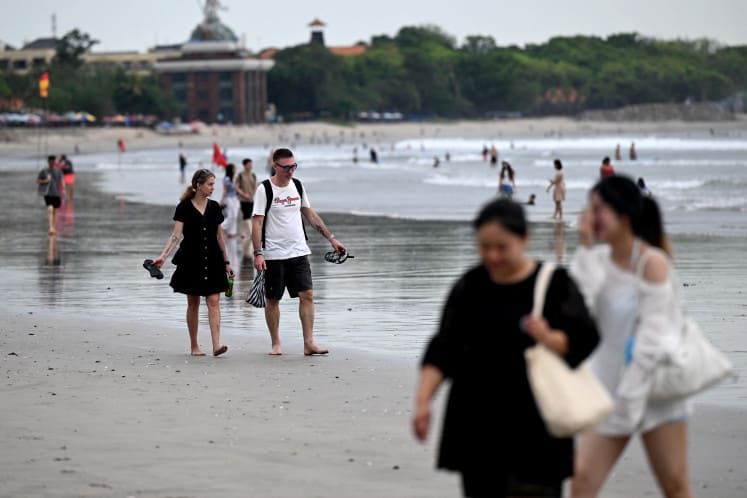
But Bali's emergence as the frontrunner has triggered debate over whether the island, already strained by tourism growth, can absorb a financial services sector without compromising its infrastructure or quality of life.
Coordinating Economy Minister Airlangga Hartarto told reporters on July 23 that the government would choose the site based on speed of execution. Investment Minister Rosan Roeslani, who also leads Danantara, the state asset fund, said the same day that Bali remains the ultimate target. He outlined a transition period of two to three years during which operations would begin in Jakarta before shifting to the island.
Jakarta as the Interim Base
The government has already designated an office building in Jakarta to serve as the temporary operational headquarters. Danantara will act as the regional developer, overseeing the initial phase while infrastructure and regulatory frameworks are finalized in Bali.
The staged approach reflects pragmatism. Jakarta hosts the Indonesia Stock Exchange, Bank Indonesia, and the Financial Services Authority. Its financial ecosystem is mature, even if congested. Bali, by contrast, offers lifestyle appeal to expatriate bankers and fund managers but lacks the institutional depth and commercial real estate inventory required for a financial center.
The two-to-three-year timeline suggests officials recognize the gap. Building out office space, data centers, and residential zones in Bali will require significant capital and coordination with local authorities who have struggled to manage the island's existing tourism load.
Capacity Concerns Mount
Bali's infrastructure has been a point of contention for years. The island welcomed more than six million international visitors in 2019, a figure that has rebounded post-pandemic. Roads remain narrow, water supply is inconsistent in some districts, and waste management systems are overtaxed. Adding a financial sector workforce, along with their families and the ancillary service providers that follow, would compound these pressures.
Local officials have not publicly opposed the plan, but observers note that any large-scale development in Bali faces scrutiny from environmental groups and residents wary of overdevelopment. The island's spatial planning laws impose restrictions on building heights and land use in certain zones, complicating the construction of high-rise office towers typical of financial districts.
The question is whether the economic benefits, including job creation and tax revenue, outweigh the risk of further crowding. Proponents argue that a well-planned financial center could diversify Bali's economy beyond tourism, making it more resilient to global travel shocks. Skeptics counter that the island's charm, and its economic draw, depend on preserving its character, which a finance hub might erode.
Regional Competition and Timing
Indonesia's push comes as other Asian capitals vie for capital flows. Singapore remains the dominant offshore finance hub in the region, but costs are high and regulatory complexity has increased. Malaysia relaunched its own international financial center in Kuala Lumpur with tax incentives. Thailand has floated similar proposals.
The PFII legislation offers tax breaks and streamlined licensing for foreign financial institutions. Whether those incentives prove sufficient depends on execution. Investors will weigh regulatory clarity, political stability, and ease of doing business. Indonesia scores unevenly on those metrics, and the choice of location will signal how seriously officials take the project.
If Jakarta serves as a long-term home rather than a temporary base, it would indicate that infrastructure and logistical realities trumped lifestyle branding. If Bali becomes the permanent site, the government will need to demonstrate it can build the necessary support systems without alienating the local population or degrading the environment that makes the island attractive in the first place.
What Comes Next
The government has not announced a firm timeline for site selection, though Roeslani's comments suggest a decision could come within months. In the interim, Danantara is expected to begin outreach to potential anchor tenants, including asset managers, insurers, and fintech firms.
Bali's candidacy reflects a broader Indonesian ambition to position itself as a regional financial player, not just a commodity exporter or manufacturing base. Whether the island can shoulder that role without buckling under the weight remains an open question, one that will shape not only the PFII's success but also Bali's trajectory for the next decade.
RELATED STORIES
Bayan Resources Halts Coal Deliveries After Indonesia Quota Dispute
Lim Hui Ying · 3 min

Indonesia Charges Toba Pulp Lestari in $113 Million Tax Fraud Probe
Siti Nuraini · 3 min
Indonesia Faces Critical Choice Between Resource Control and Industrial Growth
Tran Quoc Bao · 3 min

Indonesia Unveils Bid to Become Global Commodity Price-Setter
Priyanka V. Rao · 3 min
Spot something wrong? Email editor@briefasia.com. We log every correction publicly.