Real Estate · Proptech
Aw & Sons Bets on Serangoon for 125-Unit Co-Living Venture
Third-generation property firm shifts serviced apartment model away from Singapore's city centre toward mature residential neighbourhoods
KEY TAKEAWAYS
- ·Aw & Sons Capital has launched Mber, a 125-unit co-living and serviced apartment development on Upper Serangoon Road, outside Singapore's traditional city-centre flexible housing zones.
- ·The project tests whether tenants will accept heartland locations in exchange for lower rents and proximity to residential amenities, challenging the sector's downtown concentration.
- ·Strong occupancy at Mber could prompt other developers to expand into suburban nodes, broadening Singapore's flexible housing supply beyond its established core districts.
Heartland Pivot
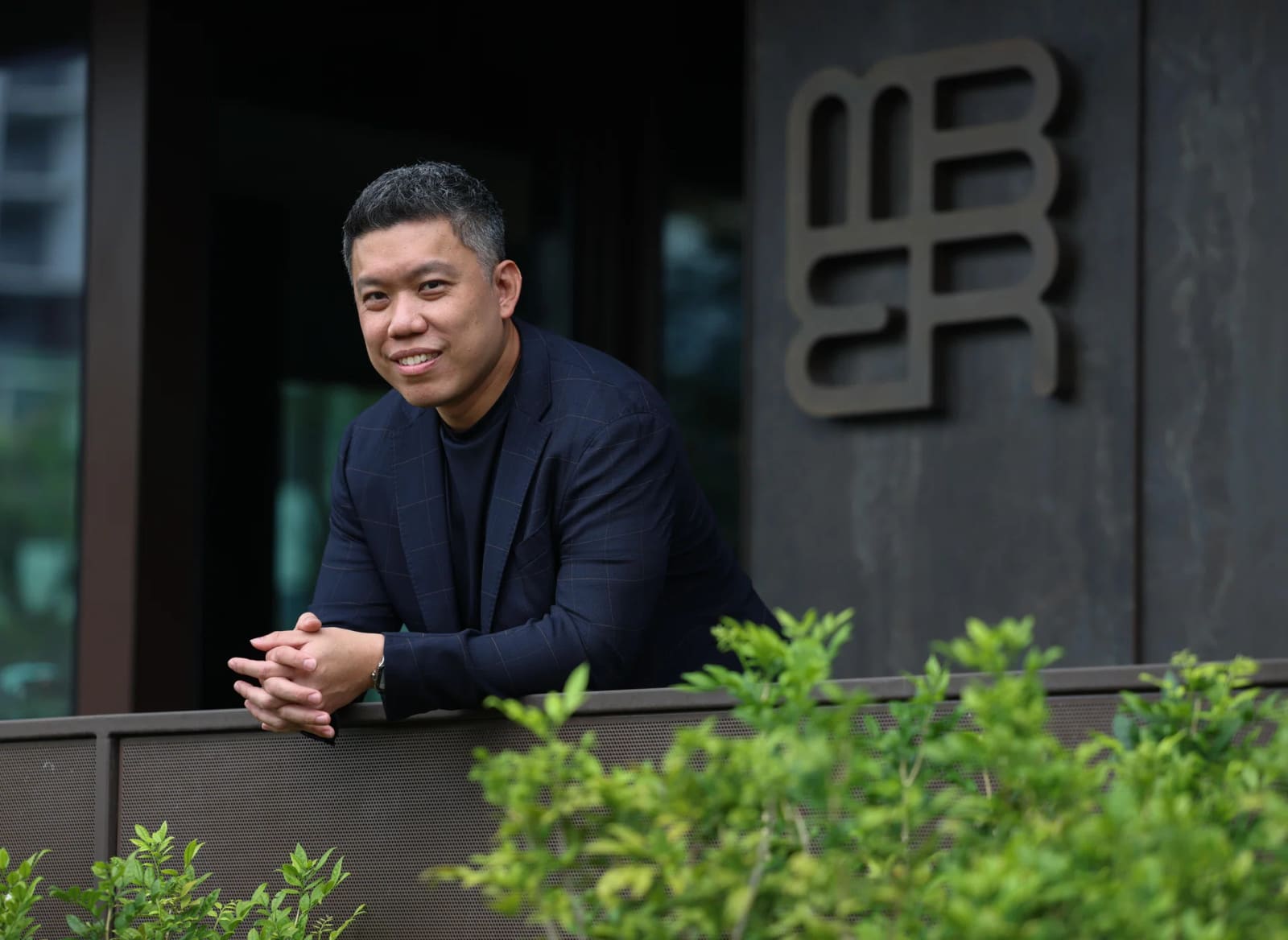
Aw & Sons Capital has opened Mber Co-Living & Serviced Apartments on Upper Serangoon Road, a 125-unit development that marks the family-run property firm's departure from conventional serviced apartment geography. Managing director Josh Hu chose a site in Singapore's mature residential belt over the customary downtown locations that anchor most of the city-state's flexible housing stock.
The property occupies a former market site along a corridor lined with decades-old shophouses and Housing Development Board estates. Mber combines co-living units with serviced apartments, adding communal workspaces, wellness facilities, and food-and-beverage tenancies to the mix.
Repositioning a Legacy Business
Hu, the third-generation leader of Aw & Sons, has been steering the firm toward curated, mixed-use projects as part of a broader modernisation effort. The Serangoon venture represents a calculated test: whether tenants seeking short- to medium-term rentals will accept locations outside the central business district in exchange for lower rents and proximity to residential amenities.
Singapore's serviced apartment market has historically clustered around Orchard Road, the Marina Bay financial district, and the River Valley corridor, where corporate relocations and business travellers generate consistent occupancy. Mber's location in Serangoon places it closer to local transport nodes, neighbourhood shops, and the residential fabric that defines much of Singapore's eastern and northern suburbs.
The Hybrid Model
The 125 units span a spectrum from single-occupancy co-living rooms with shared facilities to larger serviced apartments suited for families or longer stays. Aw & Sons Capital has incorporated flexible lease terms, allowing tenants to book by the month rather than committing to annual contracts.
Shared amenities include co-working zones, lounges, and fitness areas. The development also reserves ground-floor space for independent food-and-beverage operators, aiming to create foot traffic and a social anchor within the building.
Market Context
Singapore's flexible housing sector has grown steadily over the past decade, driven by expatriate demand, corporate housing budgets, and a cohort of younger professionals who prioritise mobility over homeownership. However, supply remains concentrated in premium districts, where land costs and competitive intensity keep rents elevated.
Developers have begun exploring secondary locations as land prices in the city centre climb and as remote work arrangements reduce the necessity of living within walking distance of an office tower. Mber's Serangoon address offers a natural experiment in whether suburban nodes can replicate the occupancy rates and rental premiums achieved in central zones.
Regional Parallels
The heartland co-living model has precedents elsewhere in Asia. In Tokyo, operators have successfully placed flexible housing near suburban rail hubs, targeting cost-conscious professionals willing to trade a longer commute for better value. Jakarta and Manila have seen similar shifts, with developers moving into secondary business districts and residential corridors as land constraints and traffic congestion make traditional central locations less viable.
Singapore's compact geography and efficient public transport network may give heartland projects an advantage that larger, more sprawling cities cannot easily replicate. Upper Serangoon Road sits a short distance from the Circle Line and is well served by bus routes connecting to employment centres across the island.
What Comes Next
Mber's performance will provide early signals on whether Singapore's serviced apartment market can sustain a geographic expansion beyond its established core. If occupancy rates hold and the project attracts a stable tenant base, other developers may follow Aw & Sons into the heartlands, potentially easing pressure on inner-city land and broadening housing options for transient residents.
For Hu and Aw & Sons Capital, the project is both a commercial wager and a statement of intent, signalling that family-run property firms can adapt their portfolios without abandoning the fundamentals of location, design, and tenant demand that have underpinned their longevity.
RELATED STORIES
Singapore Preps 13-Hectare Kallang Site for 2,500 Private Homes
Lim Hui Ying · 3 min
Singapore Plans Western Island Megaproject to Anchor Next-Generation Industries
Lim Hui Ying · 4 min

Singapore Eyes Undersea Tunnels to Link Mainland with Pulau Tekong
Lim Hui Ying · 2 min

DBS Hires 10% More Staff in Singapore as AI Adoption Tops 70%
Priyanka V. Rao · 3 min
Spot something wrong? Email editor@briefasia.com. We log every correction publicly.