Sustainability · Energy
Australia's Pacific Energy Push Stalls as Local Retailers Emerge as Electrification Alternative
Canberra's ambitious goals for Papua New Guinea and regional island electrification face implementation challenges, while community-level distribution models show promise
KEY TAKEAWAYS
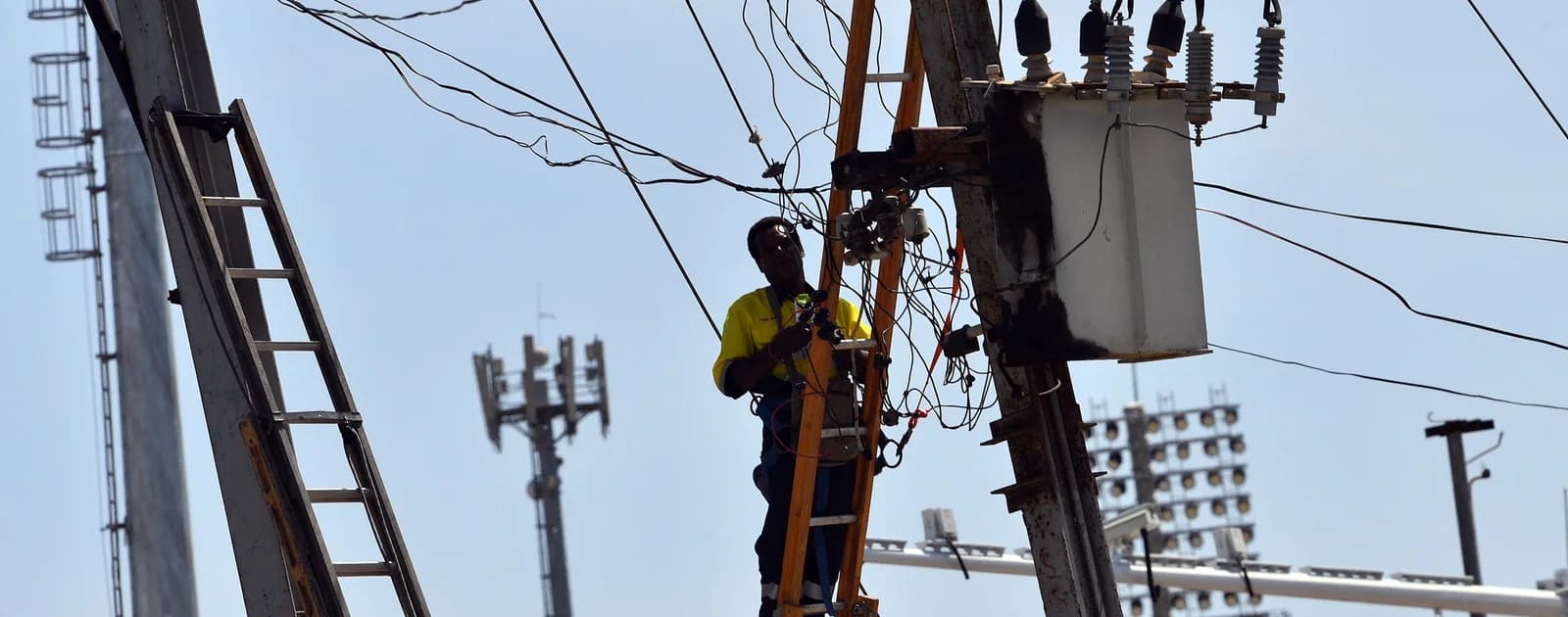
- ·Australia's energy commitments to Papua New Guinea and Pacific island nations are encountering significant implementation delays, with Port Moresby and regional centers still experiencing partial electrification despite years of pledged support.
- ·Local shopkeeper-retailers have emerged as an alternative distribution channel, providing solar equipment and batteries through pay-as-you-go arrangements that leverage existing trust networks and bypass formal regulatory barriers.
- ·The distributed retail model achieves high household penetration but cannot replace utility-scale infrastructure needed for industrial power, raising questions about whether hybrid approaches could combine formal and informal systems effectively.
Pledges Meet Reality
Australia's energy commitments to Papua New Guinea and Pacific island states are struggling to translate into tangible infrastructure gains. Port Moresby and other regional capitals remain partially electrified years after Canberra announced support packages, raising questions about the effectiveness of traditional government-to-government development frameworks in the energy sector.
The gap between ambition and execution has become particularly visible in PNG, where urban centers still experience regular blackouts and rural communities lack grid access entirely. While Australia has positioned itself as the natural energy partner for the Pacific, the mechanisms chosen to deliver on those pledges have proven slow and cumbersome.
The Shopkeeper Solution
An alternative model is gaining traction across the region. Small-scale retailers operating in villages and provincial towns have begun distributing solar equipment, batteries, and basic electrical goods directly to consumers. These shopkeepers function as de facto energy distributors, offering pay-as-you-go arrangements and maintenance services that formal utilities cannot match in remote areas.
The model capitalizes on existing trust networks and local knowledge. A shopkeeper in a PNG highland village understands seasonal cash flows, family structures, and which households can sustain monthly payments better than any external development agency. Credit arrangements flex around harvest cycles and informal income streams, making energy access financially viable for populations the formal sector writes off as unbankable.
In several Pacific island nations, these micro-retailers have achieved penetration rates that dwarf official electrification programs. The equipment they sell is often Chinese-manufactured and imported through gray-market channels, bypassing the compliance layers that slow donor-funded initiatives.
Why Formal Programs Lag
Traditional electrification projects require feasibility studies, environmental assessments, procurement processes, and multi-year construction timelines. By the time a donor-funded grid extension reaches a village, technology has often moved on and costs have escalated beyond original estimates.
Coordination between Australian agencies, recipient governments, and implementing contractors adds further delays. PNG's regulatory environment, characterized by overlapping jurisdictions and capacity constraints, compounds these friction points. Projects designed in Canberra or Sydney frequently misjudge on-the-ground realities, from land tenure disputes to the absence of local technical expertise for maintenance.
The shopkeeper model sidesteps much of this complexity. Capital requirements are minimal, regulatory barriers lower, and feedback loops immediate. If a product fails or a payment plan does not work, adjustments happen within days rather than grant cycles.
The Infrastructure Trade-Off
The distributed retail approach has limitations. It cannot deliver the industrial-scale power needed for manufacturing, cold storage, or large commercial operations. Grid electricity remains essential for economic diversification and urban development. Shopkeeper networks provide household-level solutions but do not replace the backbone infrastructure that drives broader growth.
PNG's capital and secondary cities require reliable base-load capacity that only utility-scale generation and transmission can provide. Australia's strategic interest in the Pacific extends beyond lighting individual homes; it includes enabling the economic activity that stabilizes governments and reduces migration pressures.
The question is whether formal and informal models can coexist productively. Development agencies could channel funds through local retailers rather than building parallel structures, leveraging existing distribution capacity while maintaining quality standards and accountability.
Regional Variations
The shopkeeper model performs differently across the Pacific. In island states with smaller populations and higher connectivity, such as Samoa or Tonga, centralized programs achieve better results. In fragmented, mountainous terrain like PNG or Solomon Islands, decentralized approaches hold greater promise.
Australia's energy strategy has largely treated the Pacific as a uniform bloc, applying similar frameworks from Port Vila to Port Moresby. A more granular approach would recognize these variations and tailor support mechanisms accordingly. In some contexts, that means funding grid extensions; in others, it means working with the retailers already delivering results.
What Comes Next
Canberra faces a choice. It can continue refining traditional development models, accepting slow progress and limited reach, or it can experiment with hybrid approaches that incorporate local entrepreneurship into official programming. The latter path requires tolerance for informal systems and willingness to cede control over implementation details.
For PNG and its Pacific neighbors, energy access remains a daily constraint on education, health, and commerce. Whether that constraint eases in the next decade may depend less on Canberra's pledges and more on whether policymakers recognize the electrification already happening at the village level.
RELATED STORIES

Australia's Rare Earth Push Faces Cost Test as Industry Eyes China Alternative
Aiko Nakamura · 4 min
Asia Accelerates Electric Vehicle Push as Fuel Import Risks Mount
Priyanka V. Rao · 4 min
Vietnam and Australia Eye Deeper Ties in Rice Production and Processing
Priyanka V. Rao · 4 min
Pacific Patrol Intercepts Four Fishing Boats in Regional Crackdown
Priyanka V. Rao · 3 min
Spot something wrong? Email editor@briefasia.com. We log every correction publicly.