Asia · Business
Australia's Job Market Cools as Vacancies Fall and Unemployment Creeps Higher
Employment gains slowed sharply in May while trend unemployment reached a four-year peak, signaling a gradual labor market correction as the Reserve Bank weighs its next move.
KEY TAKEAWAYS
- ·Australia's trend unemployment rose to 4.4 per cent in May, the highest since 2022, while job vacancies fell 2.1 per cent in the quarter.
- ·Employment growth slowed to 76,700 new jobs this year, insufficient to match working-age population growth and pointing to further unemployment increases.
- ·Underlying inflation climbed to 3.6 per cent in May, keeping additional Reserve Bank rate hikes on the table despite labor market cooling.
Labor Market Softens Across the Board
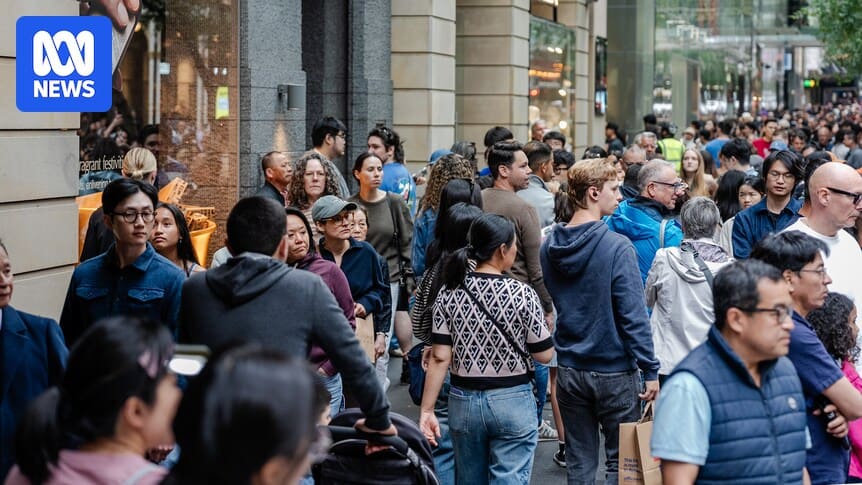
Australia's labor market is showing clear signs of cooling. The seasonally adjusted unemployment rate edged down to 4.4 per cent in May from 4.5 per cent in April, according to data released Thursday by the Australian Bureau of Statistics. The headline figure, however, masks a more significant shift: in trend terms, which strip out monthly volatility, unemployment climbed to 4.4 per cent, the highest level since the country emerged from lockdowns in 2022.
Employment rose by 40,300 in May, while the number of unemployed fell by 18,300. But the pace of job creation has slowed markedly. Over the past twelve months, employment increased by just 147,500, and only 76,700 positions have been added so far this year. That trajectory falls short of what's needed to absorb growth in the working-age population, pointing toward further rises in unemployment ahead.
The Reserve Bank of Australia has been managing a delicate balancing act, attempting to cool demand enough to bring inflation down without triggering a sharp contraction. Its latest forecasts anticipate unemployment will reach 4.3 per cent by the end of 2026, 4.4 per cent by mid-2027, and 4.6 per cent by year-end 2027. Economic growth is projected to slow to 1.3 per cent in 2026, down from 2.6 per cent in 2025.
Vacancies Drop for First Time Since August
A separate ABS release on Thursday showed job vacancies fell 2.1 per cent in the three months to May, the first quarterly decline since August 2025. The drop was broad-based, affecting both public and private sectors and spanning most states and industries.
Seven of eight states and territories recorded falling vacancies. Tasmania was the sole exception, posting a 1.4 per cent increase. The financial and insurance services sector saw the steepest decline at 21.4 per cent, followed by accommodation and food services, down 16.1 per cent.
Total vacancies now stand at 329,500, while 671,300 people remain unemployed. That translates to roughly 2.04 unemployed individuals for every open position, up from lower ratios earlier in the cycle. Still, vacancy levels remain elevated compared to pre-pandemic norms, a dynamic that continues to complicate workforce planning across sectors.
Construction Sector Faces Persistent Shortages
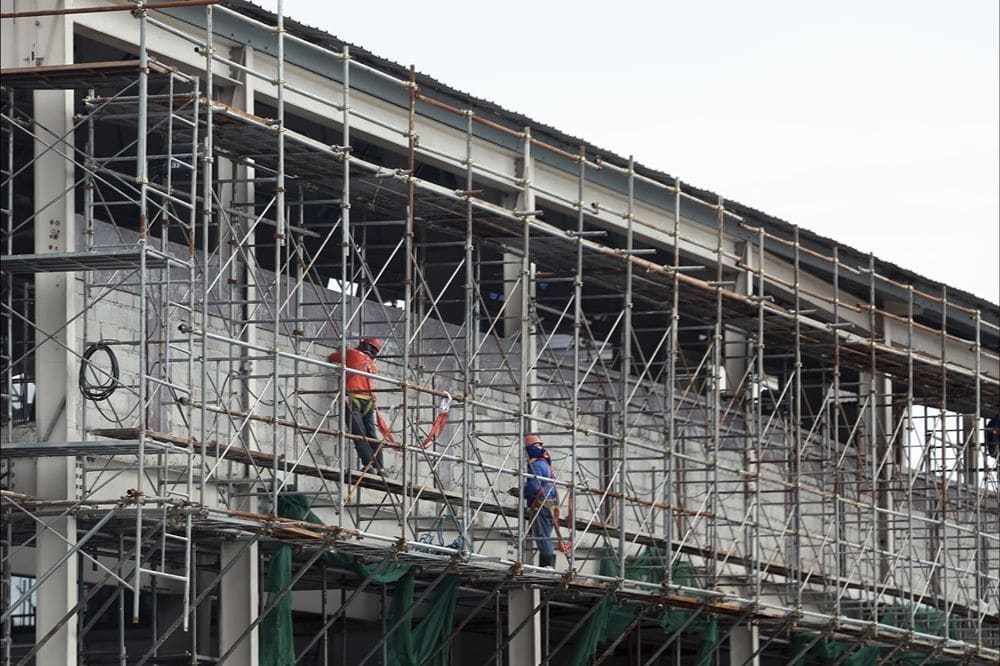
The construction industry remains under particular strain. Despite the broader pullback in vacancies, around 20,000 positions in construction remain unfilled, according to Master Builders Australia. The sector is also grappling with a shrinking pipeline of skilled workers: the number of construction apprentices in training has fallen to a five-year low, raising concerns about the industry's capacity to meet future demand.
The mismatch between immediate hiring needs and longer-term workforce development underscores a structural challenge. Even as the broader economy cools, pockets of acute labor scarcity persist, complicating the Reserve Bank's task of engineering a smooth deceleration.
Inflation Pressure Keeps Rate Hikes on the Table
The labor market slowdown is proceeding at what some analysts describe as a "gradual and orderly" pace, consistent with below-trend growth rather than outright recession. BetaShares chief economist David Bassanese noted that the Reserve Bank is likely to view the softening in employment conditions as a welcome development, given its commitment to reining in inflation.
Yet inflation remains stubbornly high. Underlying inflation rose to 3.6 per cent in May, up from 3.4 per cent in April, well above the Reserve Bank's 2.5 per cent target. Indeed APAC economist Callam Pickering argued that the breadth and persistence of price pressures leave the door open for further rate increases, despite emerging labor market fragility.
The tension between moderating employment growth and elevated inflation defines the current policy landscape. While the unemployment rate has been drifting higher over the past four years, the pace of adjustment has been measured. The Reserve Bank's challenge now is to sustain that gradual trajectory without tipping the economy into a sharper downturn or allowing inflation expectations to become entrenched.
What Lies Ahead
The data paint a picture of an economy in transition. Employment is expanding, but at a decelerating rate. Vacancies are retreating from post-pandemic highs, and unemployment is creeping upward in a controlled manner. For now, the labor market retains a degree of resilience, even as momentum fades.
How the Reserve Bank responds will hinge on the interplay between incoming inflation data and labor market signals. If job growth continues to slow at the current pace, unemployment is set to rise further. Whether that will be sufficient to bring inflation back to target, or whether additional monetary tightening is required, remains an open question. The construction sector's ongoing workforce gaps and the broader decline in apprenticeships suggest that structural imbalances will persist, regardless of the cyclical path.
RELATED STORIES

Indonesia's Unemployment Rate Falls Even as Layoffs Accelerate
Priyanka V. Rao · 3 min
Philippine Unemployment Climbs to 4.9% as Job Creation Lags Labor Supply
Mariel D. Santos · 3 min
Summer Bonuses at Major Japanese Firms Hit Record ¥1.04 Million
Aiko Nakamura · 3 min
Philippines Jobless Rate Climbs to 4.9% as Labor Force Expands Faster Than Employment
Priyanka V. Rao · 3 min
Spot something wrong? Email editor@briefasia.com. We log every correction publicly.