Asia · Trade
Asian Exporters Brace for Trade Headwinds as Global Uncertainty Mounts
Key manufacturing hubs across the region are adapting strategies as shifting tariffs and geopolitical tensions reshape demand patterns

KEY TAKEAWAYS
- ·Export-dependent Asian economies are recalibrating trade strategies as tariff changes and geopolitical tensions disrupt traditional demand patterns in Western markets.
- ·Southeast Asian nations are accelerating export diversification and moving up the value chain, with Thailand expanding EV incentives and Indonesia developing downstream processing capacity.
- ·Regional trade agreements including CPTPP and RCEP are gaining importance as frameworks for intra-Asian commerce amid deteriorating global trade conditions.
Navigating the New Trade Landscape
Export-dependent economies across Asia are confronting a wave of uncertainty as global trade conditions deteriorate. Major manufacturing hubs from Vietnam to Thailand are watching demand patterns shift in real time, forcing companies and governments to rethink decades-old strategies built on predictable Western markets.
The region's exporters face a confluence of pressures: tariff adjustments in key markets, supply chain realignments driven by geopolitical rivalry, and softening consumer demand in advanced economies. For countries where exports account for 60 to 80 percent of GDP, these headwinds carry immediate fiscal and employment consequences.
Vietnam's manufacturing sector, which has absorbed billions in foreign direct investment over the past five years, is particularly exposed. Electronics and textile producers that expanded capacity to serve U.S. and European buyers are now recalibrating production schedules. Several large contract manufacturers have begun exploring alternative markets in the Middle East and Latin America, though volumes remain small compared to traditional routes.
Diversification Takes Center Stage
Policymakers across Southeast Asia are accelerating efforts to diversify both export destinations and product mix. Thailand's Board of Investment recently expanded incentives for high-value manufacturing in electric vehicles and medical devices, aiming to reduce reliance on commodity exports vulnerable to price swings.
Indonesia has pushed state-owned enterprises to develop downstream processing capacity for nickel and palm oil, seeking to capture more value before goods leave the country. The strategy reflects a broader regional shift toward moving up the value chain rather than competing solely on labor costs.
South Korea and Taiwan, already positioned in higher-margin sectors, are doubling down on semiconductors and advanced materials. Both governments have announced multi-year support packages to retain leadership in chips, batteries, and precision components, betting that technological moats will insulate them from trade friction.
Supply Chain Reconfiguration Accelerates
The trade environment has accelerated a supply chain reorganization already underway since pandemic-era disruptions. Multinational corporations are adopting "China plus one" strategies at scale, establishing secondary production bases in Vietnam, Malaysia, and India to hedge against concentration risk.
This shift has created short-term opportunities for smaller Asian economies, but also intensified competition for investment capital. Countries with established industrial ecosystems and reliable infrastructure hold advantages, while frontier markets struggle to attract commitments beyond pilot projects.
India has emerged as a significant beneficiary, drawing investment in electronics assembly and pharmaceutical production. Government production-linked incentives have helped offset the country's historically complex regulatory environment, though execution challenges persist at the state level.
Trade Blocs and Regional Agreements Gain Traction
Regional trade agreements are taking on renewed importance as global frameworks fray. The Comprehensive and Progressive Agreement for Trans-Pacific Partnership and Regional Comprehensive Economic Partnership now account for a growing share of intra-Asian trade, offering predictability that bilateral relationships increasingly lack.
ASEAN members are leveraging these frameworks to deepen integration, harmonizing customs procedures and mutual recognition standards. The bloc's combined market of 680 million people provides a cushion for exporters losing access elsewhere, though income disparities limit purchasing power compared to Western markets.
Japan and Singapore have positioned themselves as hubs for trade finance and logistics services, capturing value from the flow of goods even as manufacturing migrates to lower-cost locations. Both countries are expanding digital trade infrastructure to facilitate cross-border e-commerce, anticipating that services will drive the next phase of regional growth.
Outlook and Adaptation Strategies
The adjustment period will be neither quick nor painless. Smaller exporters lacking capital to retool or relocate face the harshest squeeze. Labor-intensive industries built on thin margins, textiles and footwear especially, will see consolidation as weaker players exit.
Governments are under pressure to provide safety nets without derailing fiscal discipline. Social programs and retraining initiatives are expanding, but the pace of economic change outstrips the capacity of public institutions in many countries.
For now, Asia's exporters are adapting with the pragmatism that has defined the region's rise. Companies are shortening production runs, expanding product lines, and cultivating relationships in markets they once ignored. The playbook is evolving, but the underlying bet remains the same: that flexibility and scale will carry the region through another round of global turbulence.
RELATED STORIES
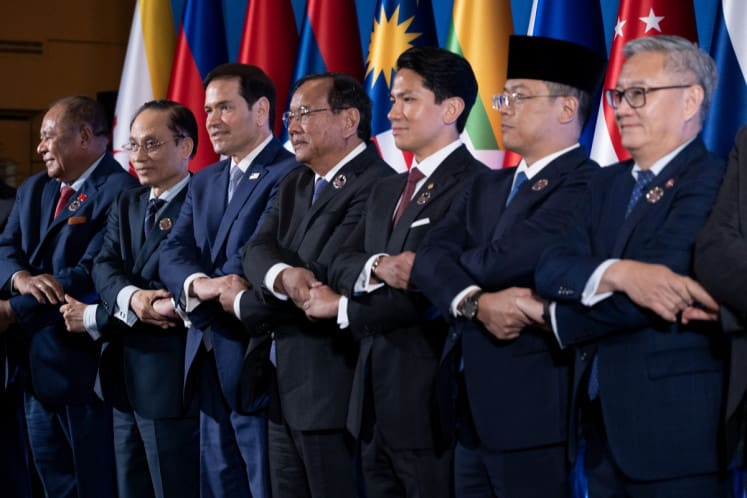
ASEAN's Crisis Response Model Under Pressure as Regional Tensions Mount
Siti Nuraini · 3 min
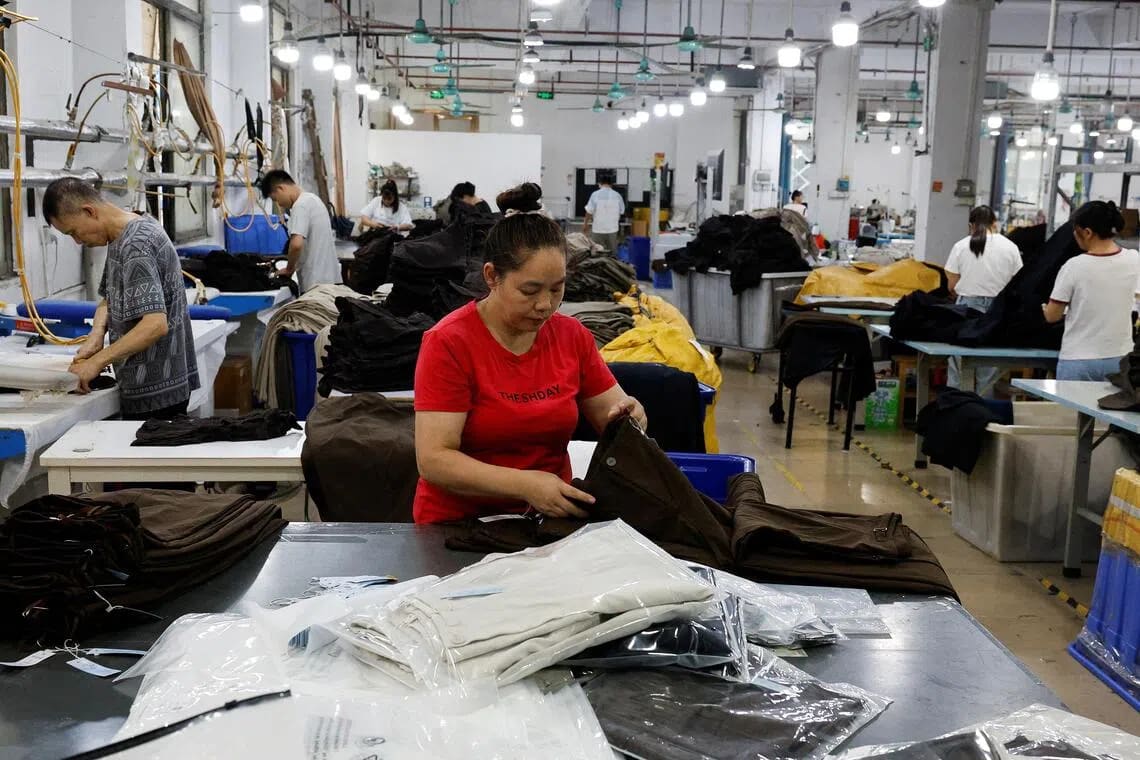
Shein Retreats From Vietnam Warehouse Bet as China Manufacturing Proves Irreplaceable
Cheng Wei-Lun · 4 min
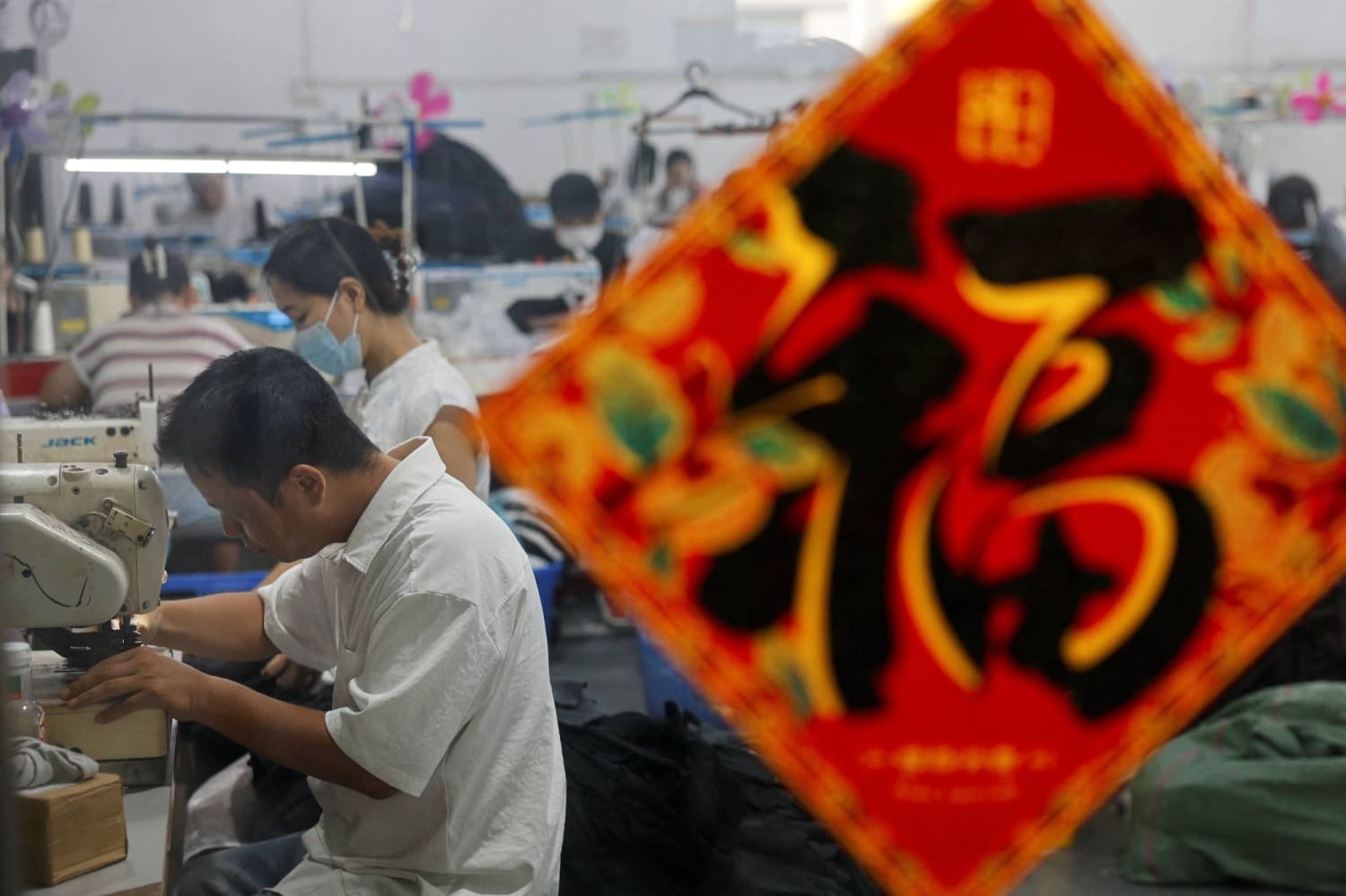
Shein Scales Back Vietnam Expansion, Reinforces China Manufacturing Base
Cheng Wei-Lun · 3 min

Ho Chi Minh City Eyes Productivity Push to Hit Double-Digit Growth Target
Priyanka V. Rao · 3 min
Spot something wrong? Email editor@briefasia.com. We log every correction publicly.