Technology · Products
Apple Scales Back Vision Team Amid Headset Struggles
Layoffs reportedly hit the spatial computing division as the tech giant reassesses its VR strategy following weak market reception
KEY TAKEAWAYS
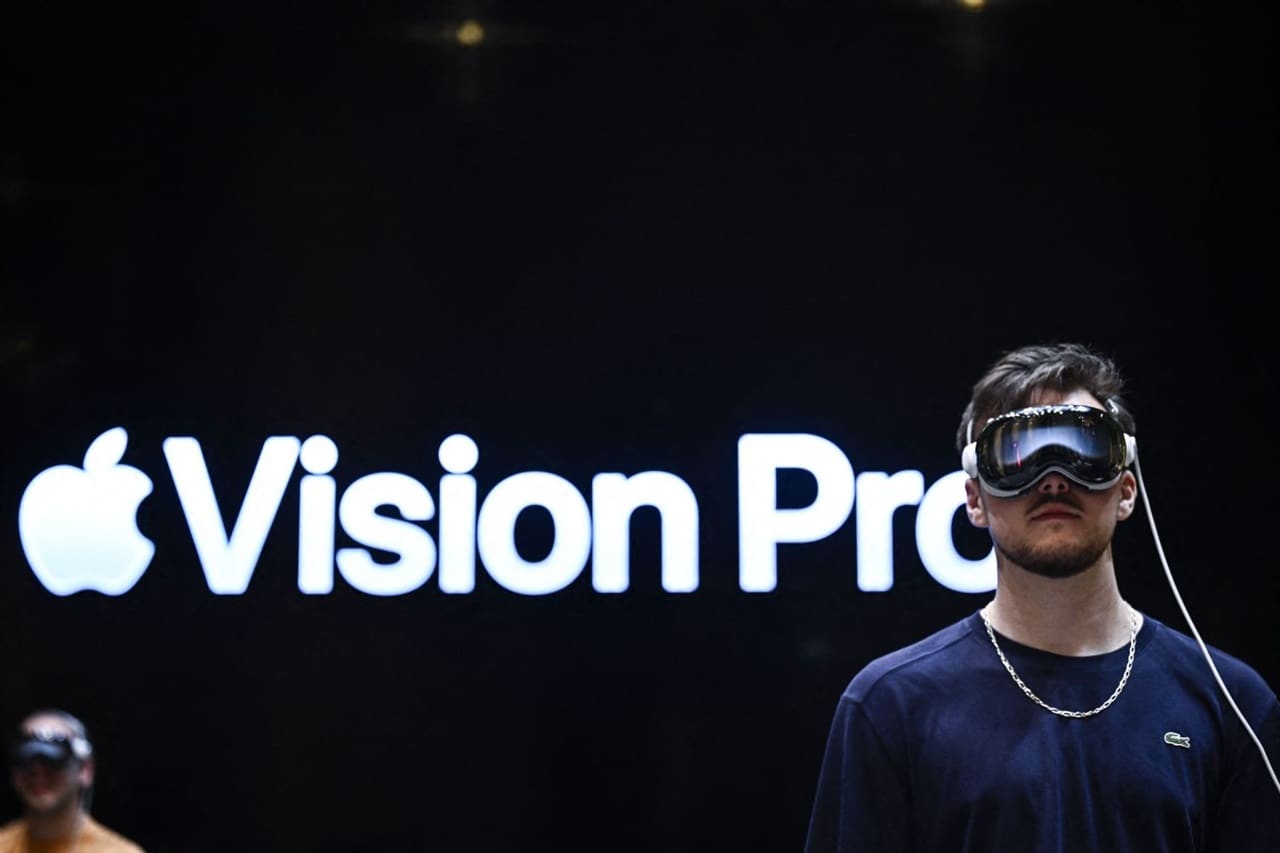
- ·Apple is reducing staff in its Vision product division following disappointing sales of the $3,499 Vision Pro headset across key Asian markets.
- ·Component suppliers in Taiwan, Japan, and China report sharp order declines, with one optical firm seeing a 40 percent year-on-year revenue drop.
- ·The company is redirecting engineering talent to other hardware projects while exploring lighter AR form factors instead of full immersive headsets.
Retreat from Spatial Computing
Apple has begun reducing headcount within its Vision product division, according to industry reports circulating this week. The cuts target engineers and program managers who worked on the company's spatial computing hardware, marking a significant pullback from what the Cupertino firm once positioned as the next frontier in personal technology.
The layoffs come roughly two years after Apple launched its Vision Pro headset at a $3,499 price point, a device that blended augmented and virtual reality into what executives termed "spatial computing." Initial sales figures suggested strong curiosity among early adopters, but sustained demand failed to materialize. Retail partners across Asia reported steep inventory buildups by mid-2026, with units sitting unsold in Singapore, Tokyo, and Hong Kong showrooms for months.
Market Reality Sets In
The broader virtual reality sector has struggled to find mass-market traction. Meta's Quest line dominates shipments but still represents a niche compared to smartphones or tablets. Sony's PlayStation VR2 saw tepid adoption. ByteDance-backed Pico scaled back its international ambitions earlier this year. Against this backdrop, Apple's premium-priced entry faced an uphill battle convincing consumers that spatial interfaces justified the investment.
Analysts point to several friction points. The Vision Pro's weight made extended wear uncomfortable. Its battery pack, tethered by cable, limited mobility. App selection remained sparse, with major developers hesitant to commit resources without clear user numbers. Enterprise pilots in sectors like healthcare and logistics showed promise, but volume remained low.
Engineering Talent Redeployed
Sources familiar with Apple's internal planning suggest the affected employees are being offered transfers to other hardware groups, including iPhone, iPad, and the company's automotive project. Some have already accepted roles in machine learning infrastructure and chip design teams. Apple has not confirmed the scale of the reduction, but estimates from supply-chain contacts suggest dozens of positions across hardware, firmware, and product management have been eliminated or consolidated.
The move does not appear to signal a complete exit from head-worn devices. Apple continues to invest in optics research and display technology through its labs in California and partnerships with suppliers in Taiwan and South Korea. However, the company is reportedly shifting focus toward lighter, less ambitious form factors - potentially smart glasses with limited AR overlays rather than full immersive headsets.
Asia Supply Chain Adjusts
Component makers in the region are feeling the impact. Display panel orders from Apple to suppliers in Suzhou and Hsinchu have declined sharply in recent quarters. Lens manufacturers in Japan that ramped capacity to meet anticipated Vision Pro demand are now seeking alternative customers. One Taiwanese optical component firm reported a 40 percent year-on-year drop in revenue tied to spatial computing orders.
The pullback also affects software ecosystems. Developers in Seoul, Bangalore, and Shanghai who built apps for visionOS - Apple's operating system for the headset - are reassessing their roadmaps. Several studios have paused updates or shifted resources to iOS and iPadOS projects with larger user bases.
Strategic Pivot
Apple's adjustment reflects a pragmatic reading of market conditions. The company has historically been willing to scale back or abandon product lines that fail to meet internal thresholds, from the HomePod to the iPod. The Vision team's reduction suggests leadership views spatial computing as a longer-term bet requiring patience and iteration, rather than an immediate revenue driver.
For now, the company appears content to let competitors explore the low end of the market while it refines technology and waits for consumer readiness to catch up with hardware capability. Whether that patience pays off will depend on advances in battery density, display efficiency, and the emergence of killer applications that make head-worn computing indispensable. Until then, Apple's Vision ambitions remain on hold, and its engineering talent is being redirected to products with clearer paths to profitability.
RELATED STORIES
Apple Weighs Memory Options as Washington Signals Concern Over Chinese Suppliers
Cheng Wei-Lun · 3 min
South Korea Postpones App Payment Decision Against Tech Giants
Cheng Wei-Lun · 3 min
Apple Crosses $10 Billion in India as Premium Demand Reshapes a Contracting Market
Priyanka V. Rao · 3 min
India Eyes Tax Break Extension to 2041 for Electronics Makers
Rajesh K. Iyer · 3 min
Spot something wrong? Email editor@briefasia.com. We log every correction publicly.