Technology · AI
Apple Builds Dedicated AI Model for China with Alibaba Partnership
Cupertino moves to develop localized artificial intelligence capabilities as regulatory pressures and market competition intensify in its largest overseas market
KEY TAKEAWAYS
- ·Apple is developing a China-specific AI model with technical support from Alibaba to meet regulatory requirements and compete with domestic rivals.
- ·The partnership reflects Beijing's data localization rules that require foreign firms to work with local entities holding necessary compliance licenses.
- ·The move comes as Apple faces market share erosion in China from resurgent players like Huawei and growing demand for locally tailored AI features.
Strategic Pivot in World's Largest Smartphone Market
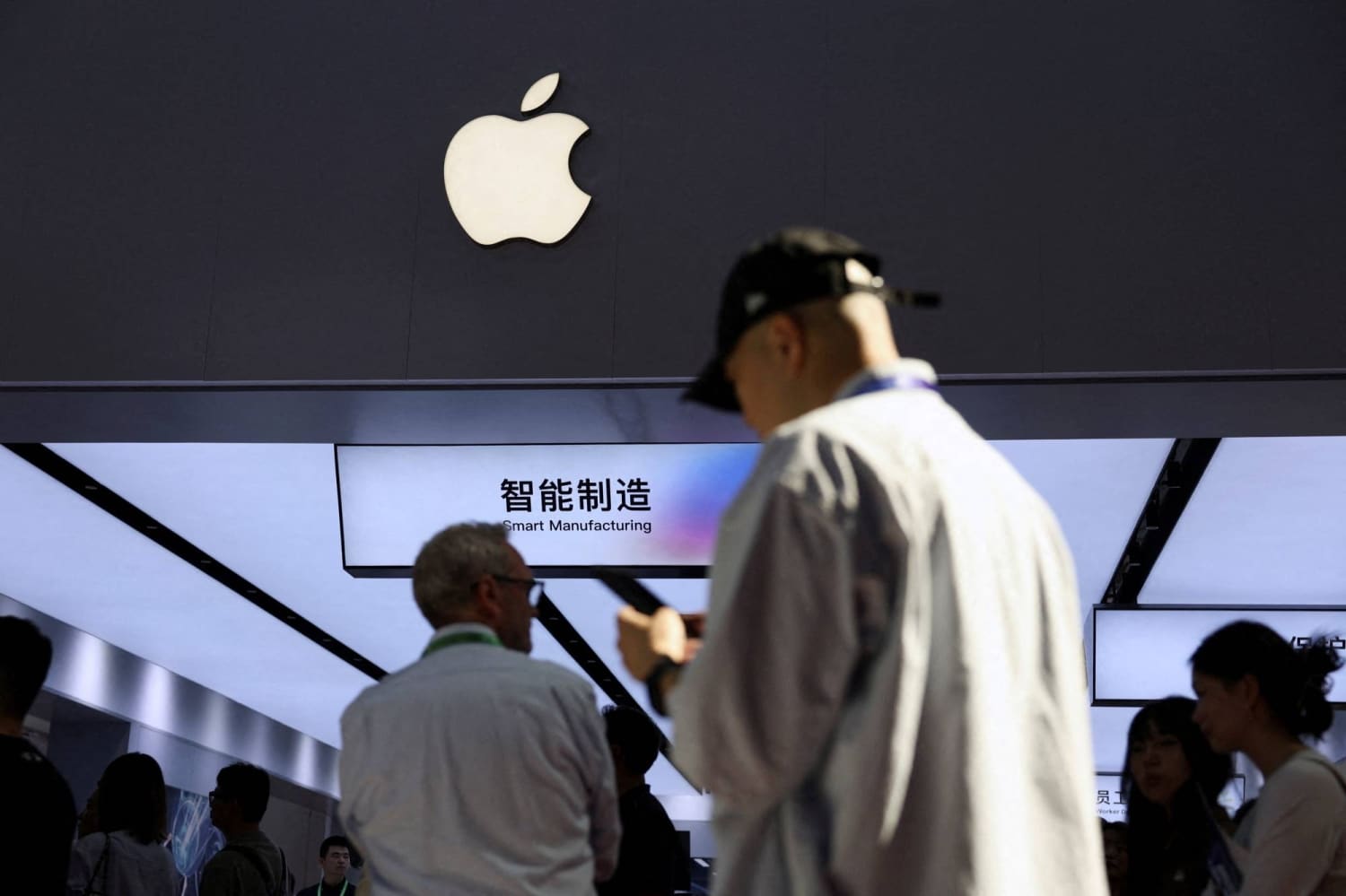
Apple has begun training a dedicated artificial intelligence model tailored specifically for the Chinese market, leveraging technical infrastructure and expertise from Alibaba, according to people familiar with the matter. The initiative represents a significant departure from the company's typical unified product strategy and underscores the mounting pressures Cupertino faces in maintaining its position in China.
The collaboration with Alibaba, one of China's dominant cloud computing and AI platforms, reflects Apple's recognition that its global AI approach cannot simply be transplanted into the mainland market. Beijing's stringent data localization requirements and content controls have forced foreign technology firms to rethink their China operations, and Apple's AI ambitions are no exception.
Regulatory Reality and Market Dynamics
China's regulatory framework for artificial intelligence requires that models used domestically undergo security reviews and comply with content governance standards set by the Cyberspace Administration of China. Foreign companies operating AI services in the country must partner with local entities that hold the necessary licenses and can ensure compliance with Beijing's rules on data sovereignty.
For Apple, the stakes extend beyond regulatory compliance. The company has seen its market share erode in China as domestic manufacturers including Huawei, Xiaomi, and Oppo have gained ground with competitively priced devices and features tailored to local preferences. Huawei's resurgence following U.S. export restrictions has been particularly pronounced, with the Shenzhen-based firm reclaiming significant territory in premium smartphone segments where Apple traditionally dominated.
Developing a China-specific AI model allows Apple to integrate features aligned with local user behavior and language nuances while maintaining separate infrastructure that satisfies regulatory demands. The move also positions the company to compete more effectively against Chinese rivals that have embedded generative AI capabilities into their devices and services.
Alibaba's Role and Broader Implications
Alibaba brings substantial AI research capacity and cloud infrastructure to the partnership. The Hangzhou-headquartered conglomerate has invested heavily in large language models and machine learning platforms through its cloud division, Alibaba Cloud, and research arm, DAMO Academy. Its Tongyi Qianwen family of models already serves enterprise and consumer applications across China.
By aligning with Alibaba, Apple gains access to computational resources and regulatory expertise that would be difficult to replicate independently. The arrangement also signals Apple's willingness to forge operational compromises in order to preserve access to a market that, despite recent challenges, remains critical to its global revenue base.
The development comes as Apple intensifies its broader AI strategy following the unveiling of Apple Intelligence, the company's suite of machine learning features integrated across iOS, iPadOS, and macOS. However, rolling out those capabilities in China requires navigating a regulatory environment that has grown more restrictive and a competitive landscape that has shifted decisively in favor of local players.
What Comes Next
Industry observers will be watching how Apple balances its commitment to user privacy and data security with the operational realities of operating in China. The company has historically positioned itself as a guardian of user information, but compliance with Chinese data rules often involves compromises that can create tension with that brand identity.
Apple has not publicly confirmed details of the AI model or the partnership with Alibaba. The company's next product launches and updates to its China-market services will offer clues about how the localized AI capabilities are integrated and what trade-offs, if any, have been made to bring them to market.
For now, the initiative underscores a broader truth facing multinational technology companies: the era of deploying a single global product across all markets is giving way to an environment where regional customization and local partnerships are not optional, but essential for survival.
RELATED STORIES
Tencent Accelerates AI Infrastructure Build Despite Short-Term Profit Pressure
Cheng Wei-Lun · 3 min
Tencent's AI Spending Push Sends Free Cash Flow Negative
Cheng Wei-Lun · 2 min

AI Chip Shortage Squeezes China's Insta360 Harder Than US Tariffs
Cheng Wei-Lun · 2 min

Honor Unveils Robot Phone as First Move in AI Hardware Pivot
Cheng Wei-Lun · 2 min
Spot something wrong? Email editor@briefasia.com. We log every correction publicly.