Technology · AI
Amkor and Nvidia Expand AI Chip Packaging Deal With US Factory Investment
The partnership includes prepayment for domestic capacity as advanced packaging becomes the critical bottleneck in AI hardware supply chains
KEY TAKEAWAYS
- ·Amkor Technology and Nvidia have expanded their partnership to develop advanced packaging for AI platforms, with Nvidia providing prepayment to support increased US manufacturing capacity.
- ·Advanced packaging has become a critical bottleneck in AI hardware supply chains, with capacity concentrated among a few providers and demand outpacing availability.
- ·The deal reflects a broader push to reshore semiconductor operations, aligning with US policy goals and hyperscaler preferences for domestically assembled hardware.
A Strategic Bet on Domestic Capacity
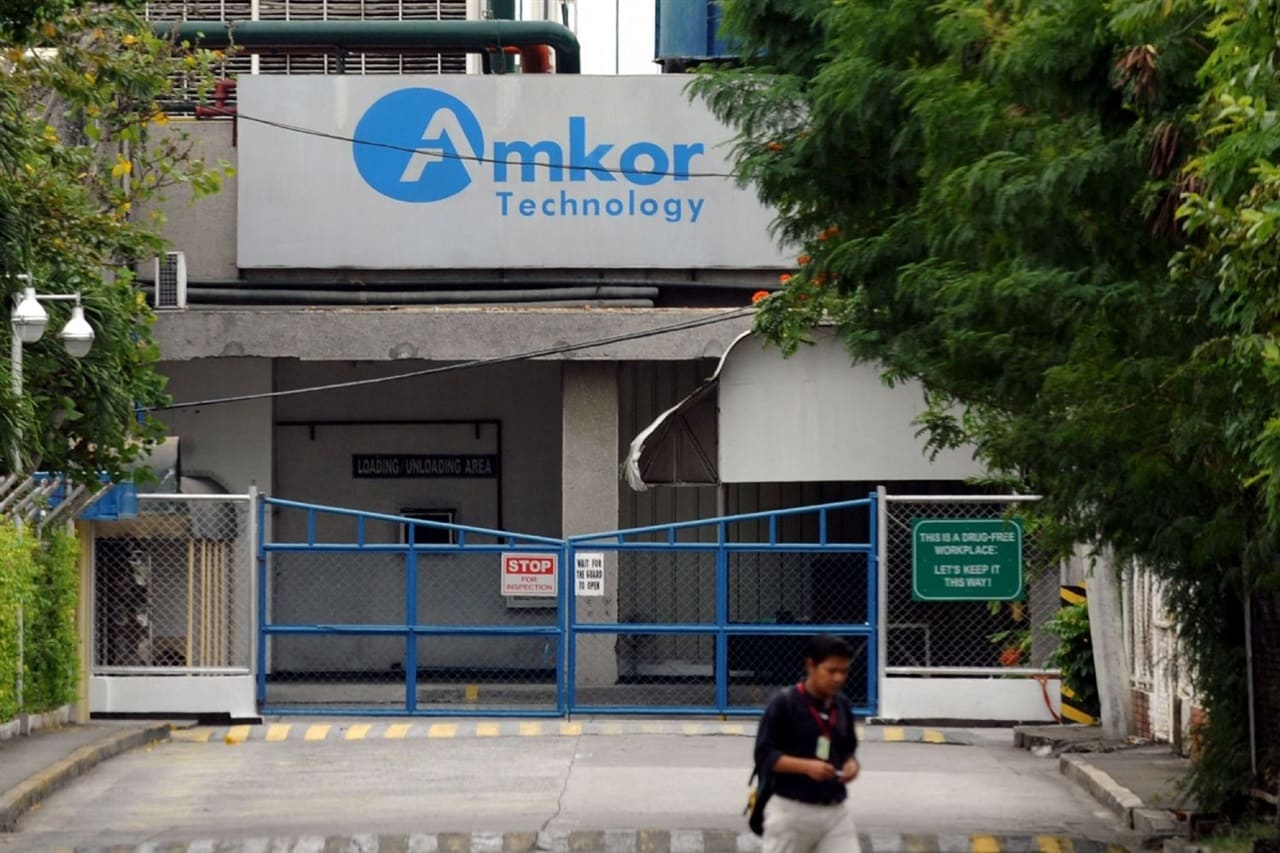
Amkor Technology announced an expanded agreement with Nvidia covering the development of advanced semiconductor packaging and test technologies for the next wave of AI and accelerated computing platforms. The deal includes a prepayment from Nvidia to fund additional US-based production capacity, underscoring how the race to secure packaging capabilities has become as critical as chip design itself.
The partnership reflects a broader shift in semiconductor economics. While leading-edge chip fabrication has long captured headlines and capital, the complex task of assembling multiple chiplets, high-bandwidth memory, and processors into a single package has emerged as the defining constraint for AI hardware. Nvidia's willingness to commit cash upfront signals that securing packaging capacity now carries strategic weight comparable to wafer supply.
Why Packaging Has Become the Chokepoint
Advanced packaging techniques such as chip-on-wafer-on-substrate (CoWoS) and fan-out wafer-level packaging enable the dense interconnects and thermal management required for high-performance AI accelerators. These processes involve bonding logic dies to memory stacks, placing them on interposers, and testing them under thermal stress, all of which require specialized equipment and cleanroom expertise.
Capacity for these services remains concentrated among a handful of providers, with Taiwan Semiconductor Manufacturing Company holding the largest share and firms like Amkor, ASE Technology, and Powertech Technology competing for the remainder. Nvidia's decision to prepay for Amkor's US capacity suggests the company is hedging against both supply constraints and geopolitical risk, particularly as Washington pushes to reshore critical semiconductor operations.
The US Manufacturing Angle
Amkor operates advanced packaging and test facilities in Arizona, and the company has been a beneficiary of US CHIPS Act funding aimed at rebuilding domestic semiconductor capabilities. The prepayment from Nvidia will likely accelerate tooling and cleanroom expansion at these sites, enabling higher throughput for AI-specific packaging processes.
This mirrors moves by other players in the ecosystem. Intel is building its own advanced packaging capacity in New Mexico, while TSMC has committed to bringing CoWoS production to its Arizona fabs. The common thread is a recognition that relying solely on Asian capacity exposes customers to supply shocks, whether from natural disasters, export controls, or regional tensions.
For Nvidia, securing US-based packaging aligns with its data center customers' preferences. Hyperscalers and government buyers increasingly favor domestically assembled hardware for compliance and resilience reasons, even if the underlying silicon is still fabricated offshore.
Implications for the AI Hardware Stack
The expanded partnership between Amkor and Nvidia also highlights how vertical integration is giving way to deeper, long-term supplier relationships. Rather than owning packaging fabs outright, Nvidia is locking in capacity through financial commitments and joint development programs. This approach allows the company to remain asset-light while ensuring it has priority access during demand surges.
Competitors in the AI accelerator market, including AMD, Google, and a growing cohort of startups, face similar packaging bottlenecks. The question is whether Nvidia's early and aggressive capacity bookings will create a sustained advantage or whether the industry will see a wave of new packaging investment that eventually eases constraints.
For now, the message is clear: in the AI era, the value and scarcity have shifted from pure logic performance to the ability to assemble, cool, and test complex multi-die systems at scale. Packaging is no longer a back-end afterthought but a front-line capability that shapes product roadmaps and competitive positioning.
RELATED STORIES
China Drafts National Liquid-Cooling Standard as AI Racks Near 1MW Power Draw
Cheng Wei-Lun · 2 min
Indian AI Firm Commits $8 Billion to Nvidia Infrastructure Buildout
Priyanka V. Rao · 3 min
Taiwan Indicts Nvidia Manager in Chip-Smuggling Investigation
Cheng Wei-Lun · 4 min
Nvidia Pushes Back on Reports of China-Specific AI Chip Launch
Cheng Wei-Lun · 3 min
Spot something wrong? Email editor@briefasia.com. We log every correction publicly.