Lifestyle · Culture
American Cherry Prices Surge 95% in Vietnam as Harvest Shrinks
Frost damage in Washington and Oregon, combined with rising logistics costs, pushes premium varieties past $30 per kilogram in Ho Chi Minh City stores.
KEY TAKEAWAYS
- ·U.S. cherry prices in Vietnam have risen 50% to 95% year-on-year, with premium varieties reaching $30.62 per kilogram in Ho Chi Minh City.
- ·American sweet cherry production is forecast to fall 17% to 310,500 metric tons in 2026, with Washington State output down over 23%.
- ·Vietnam imported $37 million of cherries in the first half of 2026, up 9.3% despite higher prices driven by weather losses and logistics costs.
Retail Prices Jump Across Varieties
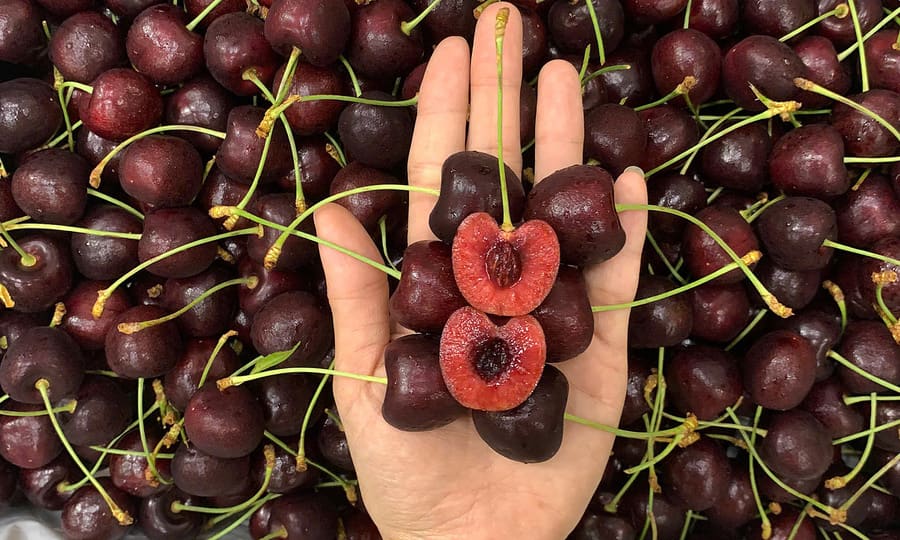
Premium cherries imported from the United States now sell for up to VND800,000 ($30.62) per kilogram in Vietnam, marking increases of 50% to 95% compared to last year. Red varieties have experienced the steepest climb, with prices rising between 80% and 95% to reach VND480,000 per kilogram at Ho Chi Minh City retailers. Yellow cherries command the highest prices at VND800,000 per kilogram, up 50% from 2025.
Loan, who operates an imported fruit store in Go Vap Ward, attributes the sharp increases to elevated wholesale prices in the United States and higher transportation expenses, even as import volumes edge upward. Major American retailers including Kroger and Walmart currently list cherry varieties at $5.99 to $7.99 per pound, equivalent to VND347,000 to VND464,000 per kilogram, roughly 15% to 20% above year-ago levels.
Production Falls in Key Growing States
The U.S. Department of Agriculture projects American sweet cherry production will decline 17% year-on-year to 310,500 metric tons in 2026. Washington State, the country's dominant producer and a primary supplier to Vietnam, is forecast to harvest approximately 200,000 tons, down more than 23% from the previous season. Oregon's output is expected to fall by around 24%.
Harvest timing typically runs from May in California through August in Washington and Oregon. This season, unseasonably warm weather in California triggered an earlier-than-normal harvest, while spring frost and cold snaps severely reduced yields in Pacific Northwest states. The weather-related production shortfall has tightened supply chains and pushed wholesale prices higher across the board.
Logistics Strain Compounds Price Pressure
Vietnamese importers point to escalating logistics costs as a secondary driver of retail price increases. Ongoing instability in the Middle East has caused volatility in fuel prices and freight rates, raising the cost of transporting goods across long distances. Fresh fruit shipments face particularly acute pressure because they require expedited transit and continuous refrigeration, adding layers of expense that ultimately flow through to consumers.
Despite the price surge, Vietnam's cherry import value climbed 9.3% year-on-year to approximately $37 million in the first half of 2026, according to customs data. The modest volume growth suggests sustained demand among Vietnamese consumers willing to absorb higher costs for the seasonal fruit, even as affordability becomes a sharper consideration for middle-income households.
Regional Context
Vietnam's appetite for premium imported fruit has grown steadily over the past decade as rising incomes fuel demand for products perceived as healthier or more exotic. Cherries occupy a particularly visible niche during their brief season, often featured prominently in upscale grocers and gifted during holidays. The current price environment tests the elasticity of that demand, offering a real-time case study in how weather shocks in one region ripple through Asia's consumer markets.
The convergence of climate-related crop losses and geopolitical disruptions to shipping lanes underscores the fragility of fresh produce supply chains. For Vietnam, which imports the majority of its cherries from the United States, the 2026 season illustrates how external shocks can rapidly translate into double-digit price increases at the retail level, even when import volumes hold relatively steady.
RELATED STORIES

Korean Fashion Platform Musinsa Partners with IPPG to Launch in Vietnam
Jun-ho Seo · 3 min

Japanese Chipmaker Plans Southeast Asia Production Expansion
Cheng Wei-Lun · 3 min

Vietnam Urged to Move Up Value Chain in ASEAN Digital Economy Push
Tran Quoc Bao · 3 min

Vietnam Gold Hits One-Month Peak as Global Prices Surge 5% in a Week
Priyanka V. Rao · 3 min
Spot something wrong? Email editor@briefasia.com. We log every correction publicly.