Technology · AI
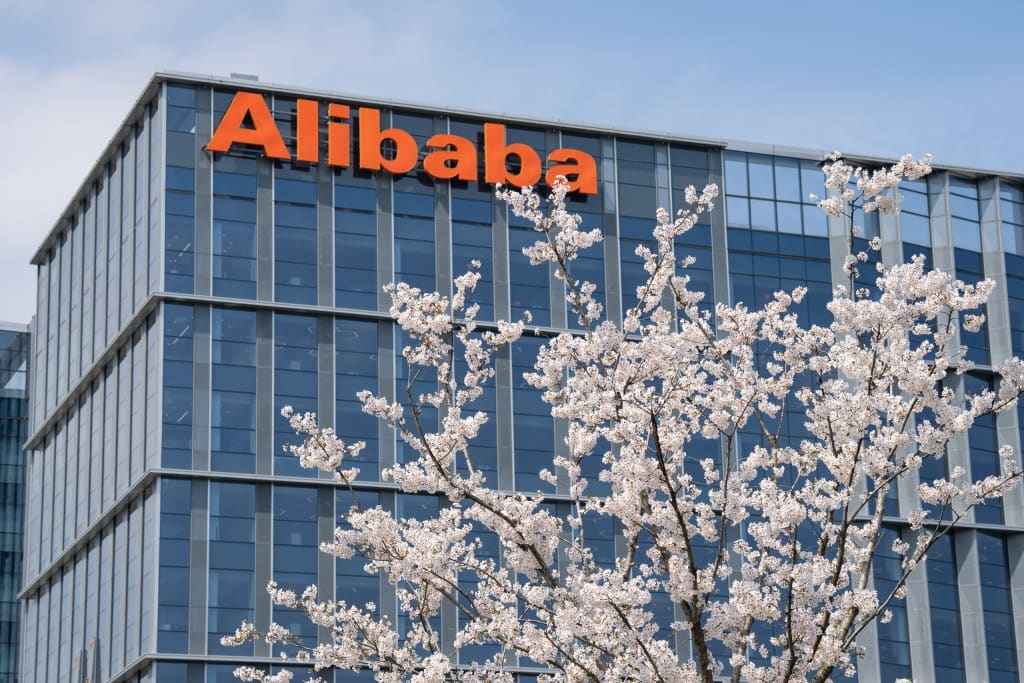
Alibaba Eyes Revenue Share Model for Qwen AI Deployment
The Chinese tech giant is preparing to charge commercial users based on income generated from its next open-weight large language model, marking a shift in how it monetizes AI outside its cloud infrastructure.
KEY TAKEAWAYS
- ·Alibaba is preparing to charge large commercial users of its next Qwen model through a revenue-sharing arrangement, with details expected as early as next week.
- ·The plan would extend monetization to deployments outside Alibaba Cloud, where customers currently face no direct model fees for on-premises use.
- ·The move tests a new pricing model for open-weight AI systems, tying fees to commercial success rather than compute usage or fixed licensing.
A New Monetization Path
Alibaba is preparing to introduce revenue-sharing terms for large commercial users of its upcoming Qwen large language model, according to recent reports. The proposed arrangement would require customers to share a percentage of income generated through the model's commercial use, extending the company's monetization strategy beyond its traditional cloud hosting fees.
The plan targets enterprises that deploy Qwen models in their own data centers rather than through Alibaba Cloud. While the specific revenue-sharing percentage remains under negotiation, the company could unveil the arrangement as soon as next week, though talks are still in progress.
Current Pricing and the Shift
Alibaba currently operates a dual approach to charging for its AI models. Customers who host and run Qwen models through Alibaba Cloud pay usage fees tied to the cloud infrastructure. However, organizations that download and deploy the company's open-weight models on their own hardware typically face no direct model licensing costs.
The reported shift would introduce a third tier: commercial users running Qwen models outside Alibaba's cloud ecosystem would pay based on the revenue those deployments generate. This model aligns Alibaba's interests more closely with the commercial success of its customers' AI-powered products and services.
Open Weights, Closed Economics
The move reflects a broader tension in the AI industry between open model distribution and sustainable monetization. Open-weight models, which allow users to download and run AI systems independently, have become a competitive tool for companies seeking to build developer ecosystems and drive adoption. Yet this openness complicates traditional software licensing and usage-based pricing.
Alibaba's Qwen family has positioned itself as a leading alternative to Western models in Chinese-language tasks and has gained traction among developers across Asia. The company has released multiple iterations, each improving performance on benchmarks while maintaining relatively permissive access terms.
By tying fees to revenue rather than compute usage, Alibaba appears to be testing a model that could work for customers with significant on-premises infrastructure or those wary of cloud vendor lock-in. It also signals that the company views its AI models as valuable intellectual property deserving of compensation proportional to their commercial impact.
What Remains Unclear
Details of the proposed structure remain scarce. It is not yet known whether the revenue share would apply to all commercial use cases or only to certain industries or deployment scales. The threshold at which a user qualifies as a "large commercial user" has not been defined, nor has the mechanism by which Alibaba would track and verify revenue generated by the model.
Implementation challenges could be significant. Unlike cloud-based deployments, where usage metrics are inherently visible to the provider, on-premises AI use is opaque. Alibaba would need to rely on customer reporting, audits, or technical controls embedded in the model itself to enforce revenue-sharing terms.
The timing of the announcement, if it proceeds next week, would come as competition among Chinese AI developers intensifies. Domestic players including Baidu, ByteDance, and Tencent have all released competing models, and the race to monetize AI infrastructure is accelerating alongside the race to improve model capabilities.
Implications for the AI Ecosystem
If Alibaba proceeds with the revenue-sharing model, it could set a precedent for how other companies monetize open-weight AI systems. Traditional software licensing, based on seat counts or usage tiers, does not map neatly onto AI models that power a wide range of applications with varying commercial outcomes.
A revenue-based approach offers potential advantages for both sides. Customers with experimental or low-revenue projects could access the model without upfront costs, lowering the barrier to entry. Alibaba, meanwhile, would capture a share of the upside when deployments prove commercially successful.
Yet the model also introduces friction. Startups and smaller enterprises may hesitate to adopt a system where future revenue obligations are uncertain. Larger organizations may prefer the predictability of fixed licensing fees or the simplicity of pay-as-you-go cloud pricing.
Alibaba's next Qwen release will be closely watched not only for technical improvements but also for how the company structures its commercial terms. The outcome could influence how AI providers across Asia balance openness with profitability in an increasingly competitive market.
RELATED STORIES
Beijing's AI Bar Offers Free DeepSeek Access as Price Wars Reshape Global Market
Cheng Wei-Lun · 3 min
Huawei Unveils Sub-800-Gram Laptop Running Homegrown Kirin Chip
Cheng Wei-Lun · 3 min

DeepSeek Backs Unitree With $20.8 Million Stake in Shanghai IPO
Cheng Wei-Lun · 3 min
ByteDance Founder Rules Out AI Distillation Amid US Scrutiny
Cheng Wei-Lun · 4 min
Spot something wrong? Email editor@briefasia.com. We log every correction publicly.