Finance · Deals
Ajinomoto Malaysia Moves Forward With $135 Million Privatization Plan
The Japanese food giant's local unit will ask minority shareholders to approve a delisting that values the business at RM20 per share, a premium to recent trading levels.
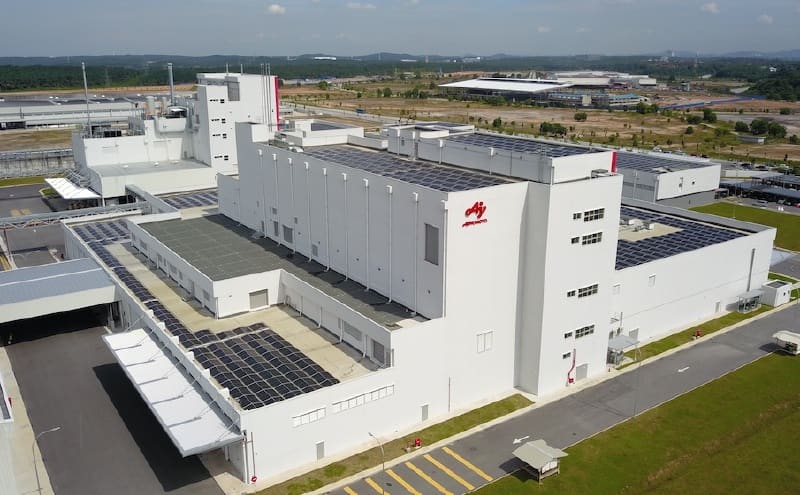
KEY TAKEAWAYS
- ·Ajinomoto Malaysia's board approved a RM603.41 million selective capital reduction offer from parent Ajico at RM20 per share, targeting completion in Q1 2027.
- ·The transaction will make Ajinomoto Malaysia a wholly owned subsidiary of Ajico and lead to delisting from Bursa Malaysia's Main Market.
- ·Minority shareholders will vote on the proposal at an extraordinary general meeting, with the offer priced at a premium to recent market levels amid low trading liquidity.
Board Approves Privatization Framework
Ajinomoto Malaysia's directors have cleared the way for parent company Ajinomoto Co, Inc to take the Kuala Lumpur-listed food manufacturer private through a selective capital reduction valued at RM603.41 million. The board, excluding interested directors, voted to present the proposal to minority shareholders at an extraordinary general meeting after reviewing advice from RHB Investment Bank, which served as independent adviser on the transaction.
The Japanese parent, known as Ajico, currently holds a controlling stake and will not participate in the capital repayment. Instead, it will retain 30.62 million shares while offering RM20 per share in cash to all other shareholders, according to a filing with Bursa Malaysia. The offer price represents a premium to recent market trading, though the company has struggled with low share liquidity in recent years.
Structure and Timeline
Under the selective capital reduction structure, eligible shareholders will receive cash for their holdings on an entitlement date the board will announce later. Ajico and directors with conflicts of interest have committed to abstaining from the vote, along with ensuring connected persons do not participate in the shareholder decision.
Once the transaction closes, Ajico will become the sole owner of the Malaysian subsidiary. The parent company has signaled it sees limited value in maintaining the listing status on Bursa Malaysia's Main Market and plans to request delisting immediately after completion.
The company expects to finalize all approvals and complete the privatization during the first quarter of 2027, barring regulatory delays or unforeseen complications.
Rationale for Exit
Ajinomoto Malaysia framed the proposal as an opportunity for minority investors to exit at favorable terms. The board pointed to persistent low trading volumes that have made it difficult for shareholders to sell meaningful positions at stable prices. By offering a premium to market levels, the company argues shareholders gain certainty and liquidity they would not otherwise enjoy.
The filing also noted minimal benefits from remaining publicly traded given the thin float and limited analyst coverage. For Ajico, consolidating full ownership simplifies governance and eliminates the regulatory overhead of maintaining a separate listed entity in Malaysia.
Regional Context
The move fits a broader pattern across Southeast Asia, where multinational parents have been taking local subsidiaries private as regulatory costs rise and free-float requirements tighten. Malaysia's market has seen several similar transactions in the past two years, particularly in mature consumer goods sectors where growth has plateaued and parent companies prefer streamlined regional operations over standalone listings.
Ajinomoto's food seasonings and processed ingredients remain staples across the region, but the company has increasingly centralized procurement, R&D, and marketing at the regional level. A wholly owned Malaysian operation gives Ajico more flexibility to integrate supply chains and shift capital without the constraints of minority shareholder expectations or quarterly disclosure obligations.
The RM20-per-share offer will be scrutinized by minority investors and proxy advisers in the weeks ahead. Independent shareholders hold the deciding vote, and the outcome will hinge on whether they view the premium as adequate compensation for giving up any future upside in the business.
RELATED STORIES
Malaysian Palm Oil Giant KLK Swings to RM1.34 Billion Quarterly Loss
Priyanka V. Rao · 3 min
Malaysia's KLCI Index to Add 20 Stocks in Phased Expansion
Jun-ho Seo · 2 min
Ringgit Strengthens as Malaysia's Stable Rates Signal Policy Flexibility
Mariel D. Santos · 3 min

Ringgit Set to Hold Gains as Malaysia Central Bank Meeting Nears
Priyanka V. Rao · 3 min
Spot something wrong? Email editor@briefasia.com. We log every correction publicly.