Sustainability · Energy
AI Workloads Push Data Centers Beyond Design Limits
Power surges up to 50% above rated capacity threaten infrastructure built for predictable computing loads
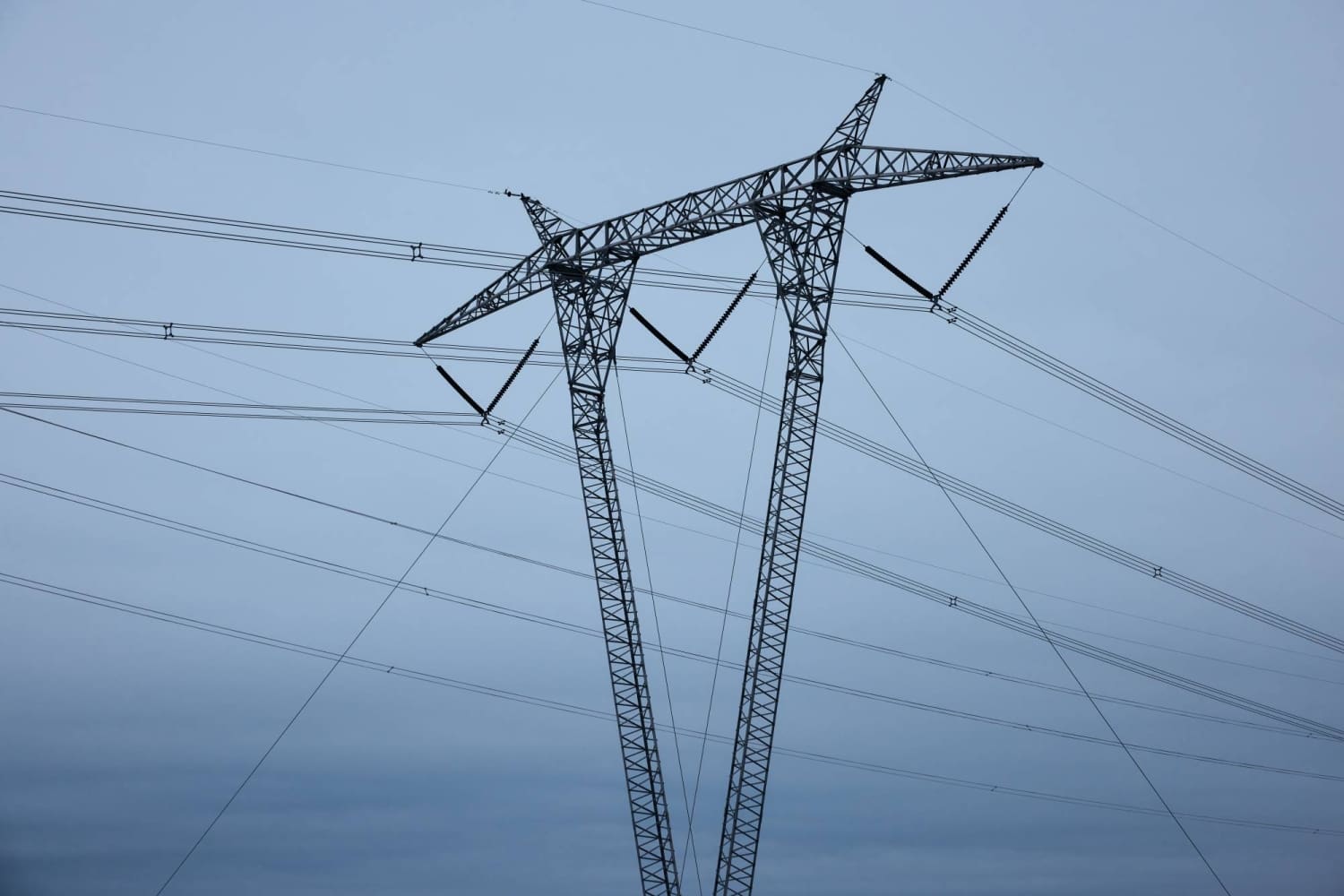
KEY TAKEAWAYS
- ·Artificial intelligence workloads drive power consumption spikes reaching 50% above data center design capacity, stressing electrical and cooling systems.
- ·Asian facilities built during recent construction booms face acute strain as GPU clusters exceed infrastructure provisioned for traditional cloud workloads.
- ·Operators now provision 30-40% power headroom and adopt liquid cooling for new AI-focused builds while older facilities risk losing tenants.
Infrastructure Under Strain
Data centers across Asia and beyond face an unexpected engineering challenge: artificial intelligence workloads are pushing power consumption 50% above the levels facilities were designed to handle. The surge exposes a critical gap between the infrastructure built for traditional cloud computing and the volatile energy demands of machine learning operations.
The problem stems from AI's computational nature. Training large language models and running inference at scale creates power draw patterns fundamentally different from conventional server workloads. Where web hosting and database operations maintain relatively steady power consumption, AI tasks spike and drop unpredictably as neural networks process training batches or handle variable query volumes.
Facility operators built most existing data centers around predictable power envelopes. Racks were provisioned assuming servers would draw consistent wattage, with modest headroom for peak usage. That calculus breaks down when GPU clusters suddenly demand 50% more electricity than rated capacity during intensive training runs or simultaneous inference requests.
Asia's Exposure
The infrastructure strain hits particularly hard in Asian markets racing to build AI capacity. Singapore, Tokyo, Seoul, and Mumbai have all seen data center construction booms over the past three years, but much of that capacity predates the current wave of generative AI adoption. Operators who filled racks with H100 GPUs and next-generation accelerators now face power and cooling systems stretched beyond safe operating margins.
Electrical systems running above design capacity risk cascading failures. Transformers, switchgear, and distribution panels subjected to sustained overload degrade faster, increasing the probability of outages. Cooling infrastructure faces similar stress. When servers draw more power, they generate proportionally more heat. HVAC systems sized for lower thermal loads struggle to maintain temperature and humidity within equipment specifications.
The financial implications extend beyond hardware risk. Exceeding contracted power capacity can trigger penalty clauses with utilities or force operators to curtail workloads during peak pricing periods. Some facilities resort to load-shedding, powering down less critical systems to keep AI clusters online, an unsustainable practice that undermines service-level agreements for colocation customers.
Design Rethink Required
The volatility challenge is driving a rethink of data center architecture. New facilities targeting AI tenants now incorporate larger power headroom, with some operators provisioning 30-40% above nameplate GPU power draw rather than the traditional 10-15% buffer. Liquid cooling systems, once a niche solution, are becoming standard for high-density AI deployments because they handle thermal spikes more effectively than air cooling.
Power distribution is also evolving. Modular UPS systems and dynamic load management allow facilities to allocate capacity where needed in real time rather than statically provisioning each rack. Some operators experiment with battery storage to absorb short-duration spikes, smoothing demand seen by utility feeds and reducing infrastructure stress.
Software plays a role too. Workload orchestration platforms increasingly incorporate power awareness, scheduling training jobs to spread load or pausing inference clusters during grid stress events. Hyperscalers with control over both hardware and applications can optimize more aggressively than colocation providers hosting third-party workloads.
Market Consequences
The power volatility issue reshapes competitive dynamics in Asia's data center sector. Older facilities without retrofit budgets lose AI customers to newer builds with robust electrical infrastructure. Markets with constrained grid capacity, including Singapore and parts of Japan, see AI workloads migrate to regions with surplus power, even when latency increases.
Operators face a capital allocation dilemma. Upgrading electrical and cooling systems in existing facilities costs millions per megawatt, with no guarantee AI demand will persist at current levels. Building new capacity with generous headroom risks stranded assets if the AI boom cools or efficiency improvements reduce power consumption faster than expected.
The situation also complicates sustainability commitments. Data centers already account for roughly 2% of Asia's electricity consumption, and AI's incremental load arrives precisely as operators pledge carbon neutrality targets. Running infrastructure above design capacity often means relying on backup generators or grid power from fossil sources during peak periods, undermining renewable energy strategies.
What remains clear is that the data center industry built for the cloud era now confronts workloads its infrastructure was never designed to support. How operators adapt in the next 18 months will determine which facilities capture AI revenue and which become stranded assets in a market moving faster than construction timelines allow.
RELATED STORIES
Google's $15 Billion India Data Center Sparks Water Crisis Fears
Priyanka V. Rao · 3 min
Thai Industrialists Flag Water Stress as Data Center Boom Accelerates
Priyanka V. Rao · 2 min
Seoul Plans Cash Payments for Rooftop Solar as Chip Factories Drive Power Crunch
Cheng Wei-Lun · 5 min
US Ban on Chinese Optical Transceivers Could Stall AI Data Center Expansion
Cheng Wei-Lun · 3 min
Spot something wrong? Email editor@briefasia.com. We log every correction publicly.