Technology · Dev
Abu Dhabi Eyes $6.3 Billion AI Data Center Build in Northern Japan
Mubadala Investment Co would lead construction of a 500-megawatt facility in Akita Prefecture as Gulf states seek stable AI infrastructure outside geopolitical flashpoints
KEY TAKEAWAYS
- ·Abu Dhabi's Mubadala Investment Co is exploring a ¥1 trillion ($6.3 billion) investment to build a 500-megawatt AI data center in Akita Prefecture, Japan.
- ·The facility would become Japan's largest data center, with total project-related investment potentially reaching ¥2 trillion including suppliers and adjacent operations.
- ·The talks reflect Gulf investors seeking AI infrastructure in geopolitically stable Asian markets as US-China tensions and regional conflicts reshape global supply chains.
The Deal Structure
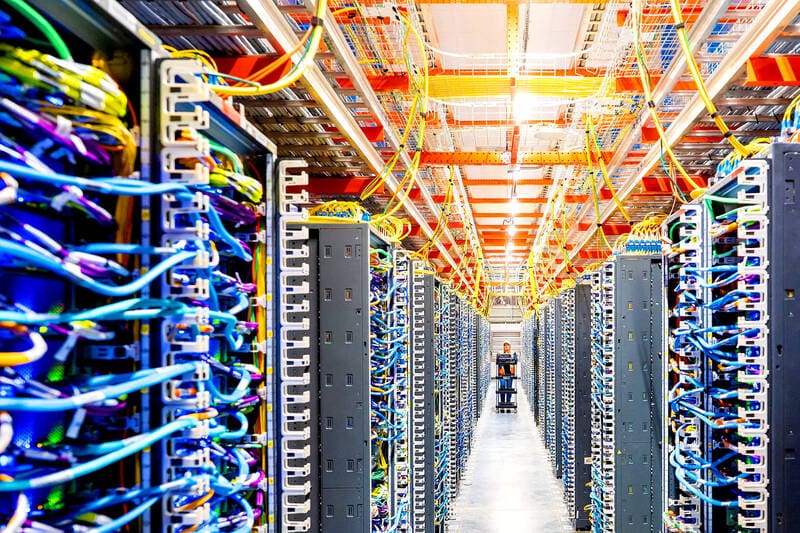
Mubadala Investment Co is exploring an investment of up to ¥1 trillion ($6.3 billion) to develop a 500-megawatt artificial intelligence data center in Akita Prefecture, according to a person familiar with the discussions. The Abu Dhabi sovereign wealth fund would anchor the project, which may draw participation from additional foreign and domestic investors.
If completed, the facility would rank as Japan's largest data center by capacity. Total capital deployed around the project, including supplier investments and adjacent operations, could reach ¥2 trillion. A consortium of Japanese firms is expected to manage construction and infrastructure work.
Mubadala declined to comment on the discussions.
Japan's Strategic Position
The investment talks underscore a broader shift among global capital allocators seeking AI infrastructure in markets insulated from escalating geopolitical friction. Japan has emerged as a priority destination for technology investment as US-China tensions deepen and conflicts in Europe and the Middle East disrupt supply chains.
Tokyo has designated multiple regions, including Akita, as priority investment zones for AI data centers and semiconductor manufacturing. The government has backed this framework with substantial financial incentives, yielding commitments from Taiwan Semiconductor Manufacturing Co, Tower Semiconductor, and Micron Technology worth billions of dollars in recent quarters.
The Akita project fits within this pattern. Northern Japan offers land availability, power infrastructure, and political stability that Gulf investors prize when deploying capital into technology assets with decades-long operational horizons.
UAE's AI Infrastructure Push
The oil-rich Emirates have positioned themselves as leading investors in artificial intelligence and its underlying physical infrastructure. MGX, a joint venture between Mubadala and technology firm G42, serves as a primary vehicle for Abu Dhabi's AI bets.
Last month, MGX completed the acquisition of Aligned Data Centers, valued at $40 billion on an enterprise basis, alongside BlackRock's Global Infrastructure Platform and the Artificial Intelligence Infrastructure Partnership. The deal underscored the scale of capital Abu Dhabi is willing to deploy in the sector.
Data center capacity has become a constraint on AI model training and deployment. Hyperscalers and sovereign investors alike are racing to secure power-intensive facilities in jurisdictions with reliable electricity grids and regulatory environments conducive to long-term operation.
Regional Context
Japan's appeal extends beyond stability. Power costs remain competitive relative to other developed markets, and the government's willingness to streamline permitting for strategic projects reduces execution risk. Akita Prefecture, in particular, has available land and grid capacity that metropolitan areas lack.
The 500-megawatt scale positions the facility to serve both domestic Japanese AI demand and regional clients seeking low-latency access to compute resources. Asia's AI infrastructure build-out lags North America and parts of Europe, creating an opening for large-scale facilities that can anchor broader ecosystems of chip designers, model developers, and enterprise customers.
For Gulf investors, Japan represents a hedge against concentration risk in Western markets and exposure to Asia's technology growth without the regulatory uncertainty present in other regional jurisdictions. The Akita project, if finalized, would mark one of the largest single foreign investments in Japanese technology infrastructure in recent years.
The talks remain ongoing, and no final commitments have been announced. However, the scale of the discussions and the involvement of a sovereign fund with MGX's track record suggest serious intent. Japan's government has signaled openness to large strategic investments, particularly in sectors deemed critical to economic security.
Whether the project proceeds will depend on finalizing terms with co-investors, securing power purchase agreements, and navigating Japan's regulatory approval process for foreign capital in strategic industries. But the fact that Mubadala is exploring a commitment of this magnitude reflects how central AI infrastructure has become to sovereign investment strategies across the Gulf.
RELATED STORIES
Taiyo Yuden Lifts Full-Year Forecast as AI Server Demand Boosts Capacitor Sales
Cheng Wei-Lun · 3 min
Ajinomoto Lifts Forecast as AI Server Demand Drives Semiconductor Material Sales
Cheng Wei-Lun · 3 min
Japan Embeds Cyber Defense in Air Force Systems as AI Threats Grow
Aiko Nakamura · 4 min

Tesla Expands Japan Delivery Network to Meet Rising EV Demand
Aiko Nakamura · 3 min
Spot something wrong? Email editor@briefasia.com. We log every correction publicly.