Technology · Products
Xiaomi Launches Two Electric SUVs to Accelerate Vehicle Sales
The Chinese tech giant enters the extended-range EV market with seven-seat and five-seat models priced between $38,000 and $44,000
KEY TAKEAWAYS
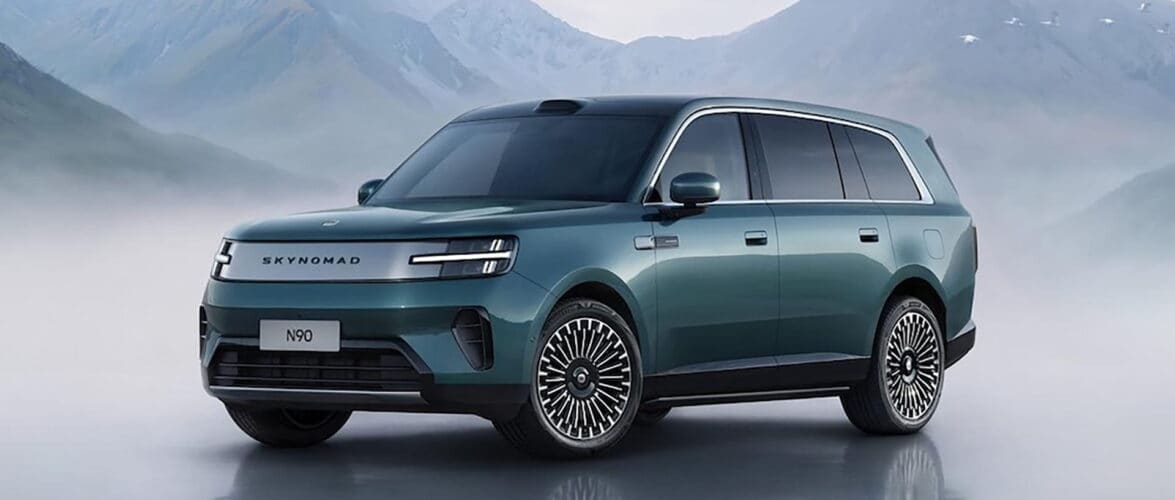
- ·Xiaomi introduced the SkyNomad N90 Max seven-seat SUV at RMB 299,000 and the N70 Max five-seat model at RMB 259,000, entering the extended-range electric vehicle market.
- ·The SUV launch expands Xiaomi's automotive lineup beyond its SU7 sedan and targets the larger SUV segment, which typically outsells sedans in China.
- ·Extended-range technology addresses consumer range anxiety by combining battery power with onboard generators, positioning Xiaomi against competitors like Li Auto.
Xiaomi Unveils Extended-Range SUV Lineup
Xiaomi introduced two sport utility vehicles under its new SkyNomad brand at a technology launch event on July 30, expanding the company's automotive portfolio beyond its existing pure-electric sedan. The move represents the Beijing-based manufacturer's entry into the extended-range electric vehicle segment, a category that combines battery power with onboard generators to extend driving range.
The flagship SkyNomad N90 Max, a seven-seat SUV, carries a price tag of RMB 299,000 (approximately $44,200). The smaller SkyNomad N70 Max, configured as a five-seat all-wheel-drive vehicle, is priced at RMB 259,000 (around $38,300). Both models target families and buyers seeking larger vehicles than the company's SU7 sedan, which launched earlier this year.
The timing reflects Xiaomi's push to accelerate sales momentum in China's crowded automotive market. While the company achieved notable success with its initial SU7 sports sedan, the addition of SUV models allows it to address a broader segment of buyers who prefer higher seating positions and cargo capacity.
EREV Technology for Range Anxiety
Extended-range electric vehicles operate primarily on battery power but include a small gasoline engine that generates electricity when the battery depletes. This design addresses range anxiety, a persistent concern among Chinese consumers despite expanding charging infrastructure in major cities. The technology has gained traction with manufacturers including Li Auto, which has built its entire product lineup around EREV powertrains.
Xiaomi's adoption of this technology signals its intention to compete directly with established EV makers that already offer SUV models with extended-range capability. The pricing positions both SkyNomad models below premium offerings from foreign brands while maintaining margins above budget-focused domestic competitors.
The N90 Max's seven-seat configuration targets families in China's tier-one and tier-two cities, where regulations often limit the number of vehicles per household. A single larger vehicle that accommodates extended family members holds practical appeal in this market context.
Market Positioning and Production Scale
The company's automotive ambitions extend beyond product launches. Xiaomi has invested in manufacturing capacity and supply chain partnerships to support higher production volumes. The addition of two SUV models diversifies revenue streams and allows the company to leverage economies of scale across shared platform components.
China's EV market remains intensely competitive, with more than 100 manufacturers vying for buyers. Price competition has compressed margins across most segments, forcing companies to differentiate through technology features, brand positioning, or vertical integration. Xiaomi's existing ecosystem of consumer electronics and software services provides potential differentiation, particularly for buyers already invested in its smartphone and smart home products.
The SkyNomad models will test whether Xiaomi's brand recognition translates to sustained automotive sales. Early reservation numbers and delivery timelines will offer insight into consumer reception, particularly as government subsidies for new energy vehicles face potential reductions in 2026.
Industry observers note that SUV sales volumes typically exceed sedan sales in China's automotive market, suggesting that Xiaomi's category expansion addresses a fundamental market preference. The company's ability to ramp production and maintain quality at scale will determine whether it can sustain growth beyond initial launch momentum.
Xiaomi has not disclosed production targets for the SkyNomad lineup, though the company previously indicated plans to manufacture several hundred thousand vehicles annually across its model range by 2027. The addition of SUV variants increases the probability of reaching those targets, provided supply chain constraints and component shortages do not disrupt production schedules.
RELATED STORIES
China's Auto Chip Race Shifts to Volume as Horizon Robotics Crosses 15 Million Units
Jun-ho Seo · 3 min

Li Auto Expands Battery Roster with CALB as Third Supplier
Siti Nuraini · 2 min
China Targets 84% Share of AR-HUD Production by 2031
Cheng Wei-Lun · 3 min

BYD Sets Sights on 2 Million Overseas Sales in 2026 After Brazil, Europe Surge
Cheng Wei-Lun · 3 min
Spot something wrong? Email editor@briefasia.com. We log every correction publicly.