Finance · Deals
Wealthy Asian Investors Shift to Private Markets Amid AI Valuation Concerns
Infrastructure and alternatives offer better entry points than overheated public equities, Brookfield says
KEY TAKEAWAYS
- ·Brookfield reports wealthy investors in Asia are moving capital into private markets as AI stock valuations climb to levels the firm describes as frothy.
- ·Private infrastructure funds offer exposure to AI through data centers and power assets at more reasonable valuations than public equities.
- ·Asian private wealth clients remain underallocated to alternatives compared to institutional portfolios in North America and Europe, creating room for further inflows.
The Pivot Away from Public Markets
High-net-worth investors across Asia are redirecting capital into private markets as artificial intelligence stocks trade at increasingly stretched valuations, according to Brookfield. The global asset manager says alternatives such as infrastructure funds now present more attractive entry points to AI exposure than public equities.
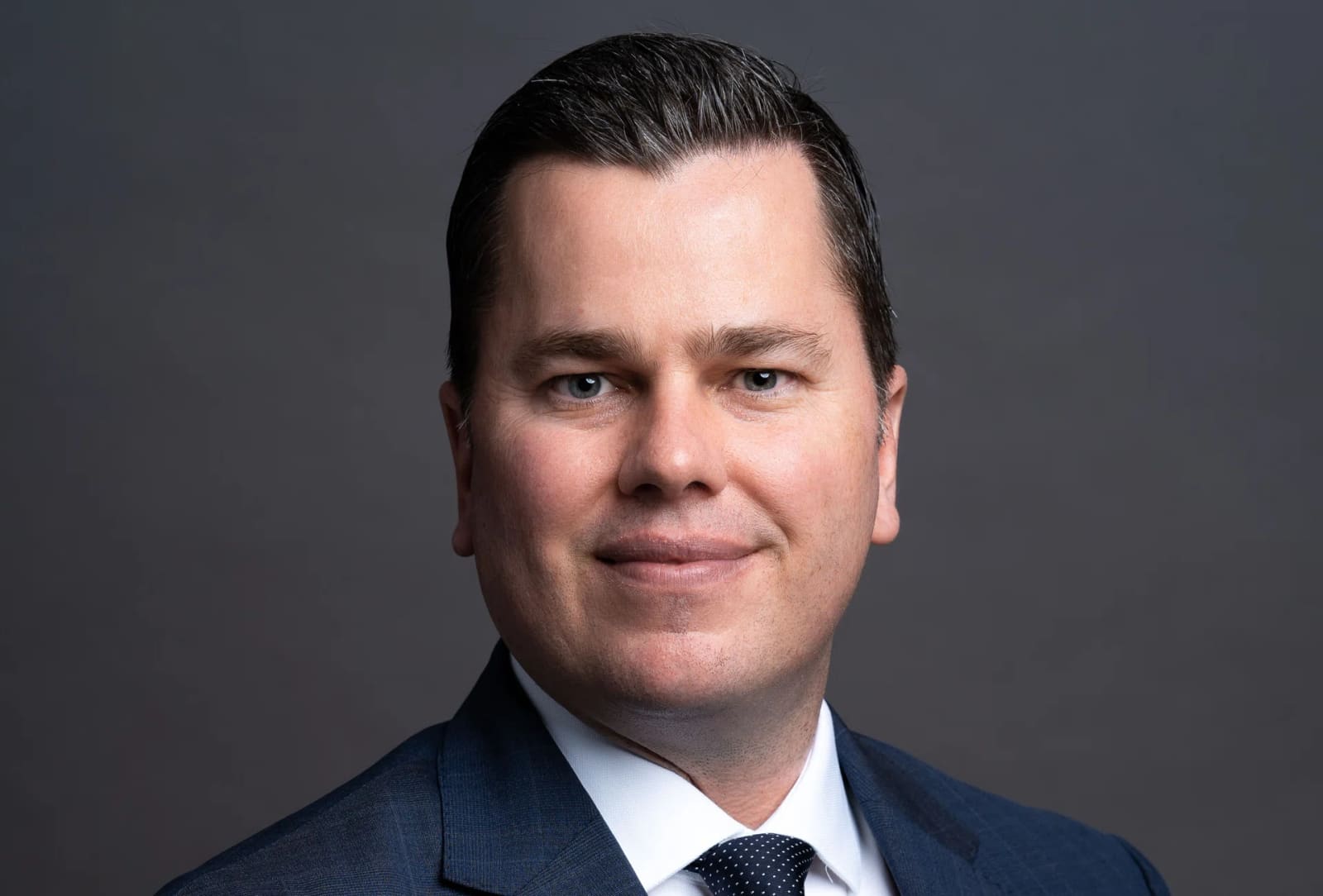
Jeremy Hall, managing director and head of international for Brookfield's private wealth group, said investors in the region are growing more cautious as public market multiples expand. "We think investors are underallocated to private markets," Hall noted.
The shift reflects mounting concerns that AI-related stocks have run ahead of fundamentals. While enthusiasm for generative AI and semiconductor plays has driven triple-digit returns in some names over the past eighteen months, valuations have reached levels that prompt questions about sustainability.
Infrastructure as an AI Play
Brookfield's argument centers on indirect exposure. Rather than buying software or chip stocks at peak multiples, institutional and private wealth clients can access the physical backbone that AI relies on: data centers, power generation, fiber networks, and cooling systems.
Private infrastructure funds typically carry lower volatility than listed equities and offer inflation-linked cash flows. For family offices and private banks in Singapore, Hong Kong, and Tokyo, that combination has appeal in a year marked by rate uncertainty and geopolitical noise.
The asset manager oversees more than 900 billion dollars in assets globally, with a significant portion allocated to infrastructure and renewable power. Its private wealth division has been expanding in Asia, targeting ultra-high-net-worth individuals and family offices that historically leaned toward public equities and real estate.
Selectivity in a Frothy Environment
Hall described the current environment as one where investors are becoming more selective. Public AI stocks, particularly in the United States, have seen valuations climb to levels that invite comparisons to previous technology bubbles. Price-to-earnings ratios for some leading names now exceed forty times forward earnings, well above historical averages.
In contrast, private market entry points remain more disciplined. Infrastructure assets are typically valued on discounted cash flow models tied to long-term contracts, insulating them from the momentum-driven swings that characterize public tech stocks.
Asia's private capital market has matured rapidly over the past five years. Regulatory changes in jurisdictions such as Singapore and Hong Kong have made it easier for wealth managers to offer alternative investments to accredited individuals. That regulatory tailwind, combined with a search for yield in a low-rate world, has driven inflows into private credit, real assets, and buyout funds.
The Underallocation Thesis
Brookfield's view is that most wealthy investors in Asia still hold too much in listed equities and not enough in alternatives. Institutional portfolios in North America and Europe often allocate twenty to thirty percent to private markets; in Asia, that figure typically sits below fifteen percent for private wealth clients.
Closing that gap represents a significant opportunity for asset managers. Family offices in the region are increasingly sophisticated, with dedicated investment teams and appetite for illiquid strategies that offer return premiums.
The AI infrastructure thesis also dovetails with broader energy transition themes. Data centers require enormous amounts of power, and many are now being co-located with renewable generation assets or battery storage. Brookfield has been active in this space, developing solar and wind farms that feed directly into hyperscale facilities.
What Comes Next
The question for investors is whether private markets can continue to offer value as more capital flows in. Fundraising for infrastructure and private credit funds hit record levels in 2025, and competition for quality assets has intensified.
Still, the structural drivers remain intact. AI workloads are growing, data center capacity is tight, and power demand is rising. For investors willing to lock up capital for five to ten years, private infrastructure offers a way to participate in those trends without paying the premium that public markets now demand.
RELATED STORIES

Private Capital Floods Asia's MedTech Sector as Brain Interfaces and Robotics Draw Investors
Priyanka V. Rao · 4 min

Singapore and Thailand Exchanges Push for Tech IPOs Amid AI Surge
Priyanka V. Rao · 3 min

Indonesian Digital Banks Outpace Regional Peers on Deposits and Loan Growth
Priyanka V. Rao · 3 min

Grab Acquires 60 Per Cent of Atome Financial for US$1.49 Billion
Priyanka V. Rao · 3 min
Spot something wrong? Email editor@briefasia.com. We log every correction publicly.