Asia · Trade
Vietnamese Exporters Confront Tighter US Customs Rules at HCMC Logistics Summit
Nearly 100 businesses gathered to hear former USPS executive Robert Raines Jr. and logistics CEOs outline strategies for navigating stricter import regulations and volatile trade policy.
KEY TAKEAWAYS
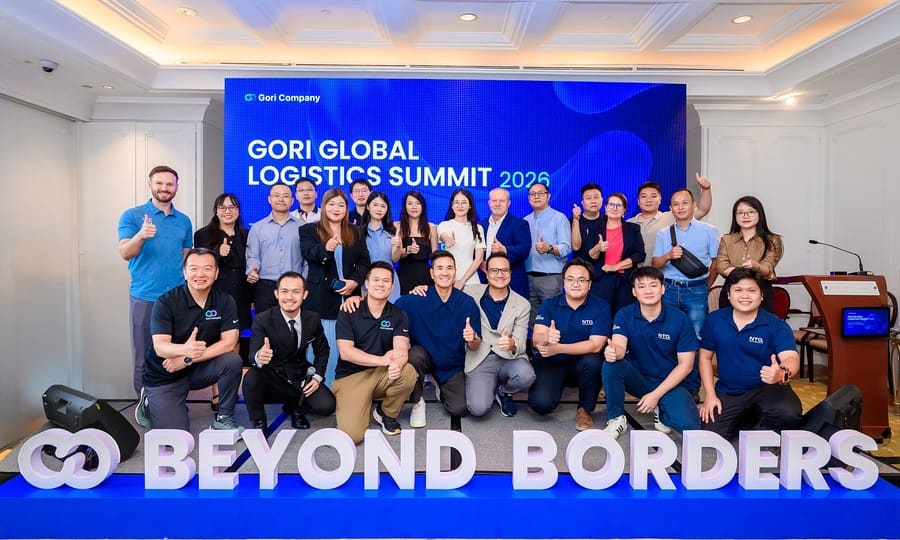
- ·Nearly 100 Vietnamese businesses attended the Gori Global Logistics Summit in Ho Chi Minh City on July 31, where former USPS executive Robert Raines Jr. warned that US import regulations and customs requirements have become significantly more stringent.
- ·Speakers highlighted that air freight has become cost-competitive for smaller parcels in certain lanes, shifting traditional freight economics for Southeast Asian exporters to the United States.
- ·Industry leaders advised Vietnamese exporters to invest in digital platforms, AI-powered forecasting, and closer logistics partnerships to maintain competitiveness amid evolving US tariff policies and trade regulations.
Regulatory Headwinds for Cross-Border Shipments
Vietnamese exporters are navigating a tougher regulatory environment in their largest Western market, according to speakers at a logistics summit in Ho Chi Minh City last week. Robert Raines Jr., a former senior executive at the United States Postal Service, told nearly 100 attendees that US import regulations and customs requirements have tightened significantly, forcing businesses to rethink how they manage cross-border shipments.
The Gori Global Logistics Summit 2026, convened on July 31 by US-based digital supply chain firm Gori and technology partner NTQ, focused on practical responses to shifting trade rules, digital supply chain tools, and market entry tactics for the United States. Raines advised businesses to monitor policy changes closely, maintain operational flexibility, and align with logistics partners capable of adapting quickly to regulatory shifts.
He also highlighted a tactical shift in freight economics: air freight has become cost-competitive for smaller parcels in certain lanes, challenging the traditional dominance of ocean shipping for Southeast Asian exporters. The observation reflects broader changes in how Vietnamese manufacturers and e-commerce sellers weigh speed against cost when shipping to American consumers.
Digital Tools and Forecasting
NTQ Chairman Pham Thai Son and Business Development Director Lanh Hai Long outlined how standardized data management, digital platforms, and artificial intelligence applications can improve supply chain forecasting and automation. The company presented logistics and e-commerce solutions developed in partnership with Gori, designed to enhance operational efficiency and supply chain visibility.
Gori CEO Sky Kim detailed the firm's platform capabilities, which support businesses entering the US market through services including label generation, shipment consolidation, international transportation, customs clearance, and integration with the USPS delivery network. According to Gori, the platform has delivered more than 200 parcels and incorporates AI tools for shipment tracking, data analysis, and demand forecasting.
NTQ contributes software development, systems integration, cloud computing, data management, and AI capabilities to the partnership. The collaboration combines Gori's US logistics operations with NTQ's technology expertise to build solutions tailored to logistics and e-commerce businesses expanding into North America.
Policy Uncertainty and Competitive Pressure
Panel discussions at the summit underscored the dual pressures facing Vietnamese exporters: growth in e-commerce and manufacturing alongside rising uncertainty in international markets. Speakers pointed to evolving US tariff policies and trade regulations as sources of volatility that require continuous attention.
Vietnam has benefited from regional supply chain restructuring over the past half-decade, attracting manufacturing investment and boosting export volumes. Yet the summit's tone was pragmatic rather than celebratory. Participants were told that maintaining competitiveness requires staying current with policy developments, investing in technology to improve shipment tracking and cost management, and preserving operational flexibility to respond to regulatory changes.
The summit format included keynote presentations and panel discussions designed to facilitate direct engagement between Vietnamese business representatives and logistics and technology experts from domestic and international firms. Organizers said the event aimed to provide market updates while creating opportunities for knowledge sharing and collaboration within the logistics sector.
Adapting to a Shifting Landscape
The emphasis on regulatory compliance and digital adoption reflects a broader shift in how Vietnamese businesses approach the US market. As trade rules grow more complex and enforcement more rigorous, the margin for error in customs documentation, tariff classification, and shipment tracking has narrowed.
For exporters who built their operations during a period of relatively stable trade policy, the current environment demands new capabilities: real-time data visibility, closer coordination with logistics partners, and the ability to pivot quickly when regulations change. The summit's focus on these operational fundamentals signals that Vietnamese businesses are moving beyond simple cost arbitrage and investing in the infrastructure needed to compete in a more demanding global market.
Whether through AI-powered forecasting tools, tighter integration with US postal and logistics networks, or more sophisticated customs clearance processes, the message from industry leaders was clear: success in cross-border trade now hinges on operational resilience and the ability to navigate regulatory complexity at scale.
RELATED STORIES
Chinese Brands Capture Vietnam's $92 Million Robot Vacuum Market
Siti Nuraini · 3 min

Southeast Asian Firms Overlook Digital Pact Worth USD 2 Trillion
Lim Hui Ying · 4 min

Vietnam Ships 1.7 Million Tonnes of Coffee as Brazil Delays and EU Rules Reshape Trade
Tran Quoc Bao · 3 min
Vietnam's Trade Turnover Hits $770 Billion as Imports Surge Past Exports
Jun-ho Seo · 2 min
Spot something wrong? Email editor@briefasia.com. We log every correction publicly.