Asia · Trade
Vietnam's Raw Cashew Imports Hit Record $3 Billion in Seven Months
Cambodia supplies over half of the raw nuts feeding the world's largest cashew kernel exporter, as domestic production falls short of processing capacity
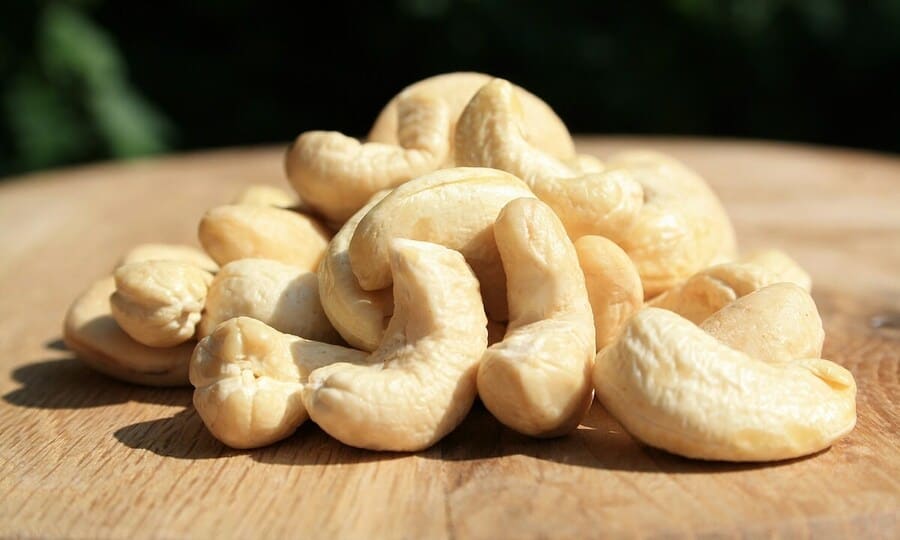
KEY TAKEAWAYS
- ·Vietnam imported 1.81 million metric tons of raw cashew nuts worth over $3 billion through mid-July, with Cambodia supplying 54.2% of volume and 56.3% of value.
- ·Cashew exports reached $2.63 billion from 373,800 tons shipped, but import costs exceeded export revenue, widening the sector's trade deficit for the period.
- ·Domestic orchards produce only a fraction of what Vietnamese processing plants require, forcing reliance on imported raw material to sustain the country's position as the world's largest cashew kernel exporter.
Import Surge Fuels Processing Boom
Vietnamese cashew processors spent more than $3 billion importing raw nuts through mid-July, the highest intake for the period since records began. Customs data show 1.81 million metric tons crossed the border by July 15, a 4% increase in volume and 12.3% jump in value compared to the same window last year.
Cambodia accounted for 980,700 tons of those imports, valued at more than $1.7 billion. That represents 54.2% of total volume and 56.3% of total value, cementing the country's position as Vietnam's largest raw cashew supplier. Shipments from Cambodia climbed 10.3% by weight and 25.9% by value year-on-year, according to customs figures.
The import intensity reflects a structural mismatch in Vietnam's cashew sector. The country holds the title of the world's largest cashew kernel exporter, yet domestic orchards produce only a fraction of what its processing plants can handle. Factories must source raw material from across Southeast Asia and Africa to keep production lines running at capacity.
Trade Deficit Widens
Export figures tell the other side of the ledger. Vietnam shipped nearly 373,800 metric tons of cashew products through mid-July, generating $2.63 billion in revenue. Volume dipped slightly from the prior year, though revenue edged up 3.1%, suggesting processors captured better margins or shifted mix toward higher-value grades.
The United States, China, and Europe absorbed the bulk of those shipments, buying roasted kernels, cashew butter, and other finished goods. But with import costs outpacing export earnings, Vietnam's cashew industry recorded a trade deficit for the period. The gap underscores the sector's reliance on imported feedstock and the challenge of competing on raw material costs when domestic supply remains constrained.
Capacity Without Supply
Vietnam's processing infrastructure expanded rapidly over the past decade, drawing investment into shelling, grading, and roasting facilities concentrated in the southern provinces. That capacity now exceeds what local farmers can deliver, even during peak harvest. Growers face pressure from lower yields, aging trees, and competition for land from higher-margin crops such as coffee and pepper.
Cambodia emerged as the natural swing supplier. Cashew acreage there expanded as Vietnamese processors offered stable contracts and competitive prices. Cross-border logistics improved, with traders moving nuts through land checkpoints and river ports that cut transit time and handling costs. The arrangement benefits both sides: Cambodian farmers gain access to processing expertise and export channels, while Vietnamese factories secure a steady stream of raw material within the region.
Looking Ahead
The import trajectory suggests Vietnamese processors remain confident in export demand despite the slight volume pullback. Higher spending on raw material signals either tighter supply conditions or expectations that finished product prices will support the additional cost. Processors typically lock in contracts months ahead, betting on stable demand from key markets.
The trade deficit may narrow if domestic production recovers or if export volumes accelerate in the second half of the year, when seasonal demand from Western markets picks up ahead of the holiday period. For now, the cashew sector's growth hinges on securing affordable raw material and maintaining its competitive edge in kernel quality and processing efficiency. Cambodia's role as the primary supplier looks set to deepen as long as Vietnam's own orchards cannot keep pace with its factories.
RELATED STORIES
Vietnam Ships 1.7 Million Tonnes of Coffee as Brazil Delays and EU Rules Reshape Trade
Tran Quoc Bao · 3 min
Vietnam's Trade Turnover Hits $770 Billion as Imports Surge Past Exports
Jun-ho Seo · 2 min
Samsung's Vietnam Operations Post 23% Profit Jump to $2.3 Billion
Tran Quoc Bao · 3 min
Vietnam Bets $76 Billion Funding Gap Can Lure Capital Without Copying Rivals
Priyanka V. Rao · 4 min
Spot something wrong? Email editor@briefasia.com. We log every correction publicly.