Asia · Business
Vietnam Proposes 30% Corporate Tax Relief for Small Enterprises
The government is targeting businesses with annual revenue under VND 10 billion as part of broader efforts to stimulate private sector growth and formalize the economy.
KEY TAKEAWAYS
- ·Vietnam's Ministry of Finance has proposed a 30 per cent corporate income tax reduction for businesses with annual revenue up to VND 10 billion or approximately $384,000.
- ·The measure would lower the effective corporate tax rate from 20 per cent to 14 per cent for qualifying small and medium enterprises.
- ·The proposal aims to encourage formalization, expand the tax base, and support Vietnam's shift toward higher-value sectors and supply chain integration.
Tax Relief Framework
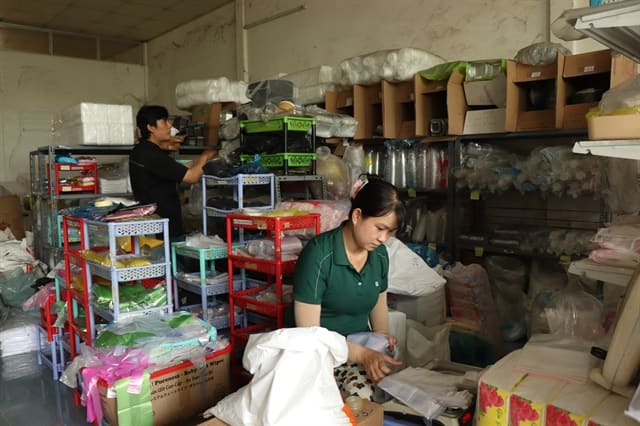
Vietnam's Ministry of Finance has put forward a proposal to reduce corporate income tax by 30 per cent for small and medium enterprises with annual revenue not exceeding VND 10 billion, equivalent to approximately $384,000. The measure forms part of a broader fiscal package designed to ease the burden on smaller players in the economy and encourage more businesses to enter the formal sector.
Under the current tax structure, companies face a standard corporate income tax rate of 20 per cent. The proposed reduction would effectively lower the rate to 14 per cent for qualifying businesses, creating a meaningful differential that could influence decisions around registration, expansion, and compliance. The threshold targets the long tail of Vietnam's business landscape, where thousands of family-run operations and micro-enterprises operate at or below the revenue cap.
Rationale and Economic Context
The proposal arrives as Vietnam seeks to deepen its integration into regional and global supply chains while managing domestic inflation and currency pressures. Small businesses employ a significant portion of the workforce but often lack the capital cushion to weather macroeconomic volatility or invest in technology upgrades. By lowering the effective tax rate, authorities hope to free up cash flow that can be reinvested in equipment, training, or working capital.
Vietnam's private sector has grown rapidly over the past decade, yet informality remains a persistent challenge. Many operators avoid registration to sidestep compliance costs, limiting their access to credit and formal contracts. A lower tax rate for smaller revenue bands could shift the calculus, making formalization more attractive and expanding the tax base over time.
The proposal also aligns with regional trends. Thailand, Indonesia, and the Philippines have all experimented with tiered tax structures or temporary relief schemes aimed at micro and small enterprises. Vietnam's approach is more narrowly targeted, focusing on a specific revenue band rather than broad sectoral relief.
Implementation and Revenue Impact
Details on the implementation timeline have not yet been finalized, and the proposal must pass through legislative review before taking effect. The Ministry of Finance is expected to present fiscal impact estimates to the National Assembly in the coming months, including projections for revenue foregone and anticipated gains from higher compliance rates.
Early estimates suggest the measure could affect tens of thousands of registered businesses, with a net revenue impact that depends heavily on how many informal operators choose to register. If formalization rates rise significantly, the short-term revenue loss could be offset by a broader tax base and improved collection efficiency.
The proposal does not specify whether the reduced rate will be permanent or temporary. Previous tax incentives in Vietnam have often been introduced as time-bound measures, later extended or made permanent based on economic conditions and fiscal performance.
Broader Fiscal Strategy
The tax cut proposal sits within a wider policy agenda aimed at attracting higher-value foreign direct investment and fostering innovation. Hanoi has signaled interest in moving beyond labor-intensive manufacturing toward sectors such as semiconductors, electric vehicles, and digital services. Small businesses, while not the primary target of FDI campaigns, form the supplier and service ecosystem that multinational operations depend on.
By strengthening the financial health of smaller enterprises, the government hopes to create a more resilient domestic economy capable of supporting advanced manufacturing and technology hubs. The proposal also reflects a recognition that Vietnam's competitiveness depends not only on large exporters but on the thousands of smaller firms that provide components, logistics, and ancillary services.
Regional peers are watching closely. As ASEAN economies compete for capital and talent, fiscal policy has become a key differentiator. Vietnam's combination of political stability, infrastructure investment, and now targeted tax relief positions it as a contender for businesses looking to diversify away from China or consolidate operations within Southeast Asia.
The coming months will determine whether the proposal advances and what conditions or sunset clauses may be attached. For now, it signals a continued willingness by Vietnamese policymakers to experiment with fiscal tools in service of long-term growth objectives.
RELATED STORIES

Vietnam Pours Capital Into Laos as Vientiane Seeks Relief From Beijing Debt
Priyanka V. Rao · 4 min

Thailand Faces Two Decades in Middle-Income Trap Without Workforce Upgrade
Priyanka V. Rao · 3 min

Ho Chi Minh City Eyes Productivity Push to Hit Double-Digit Growth Target
Priyanka V. Rao · 3 min
AEON Vietnam Breaks Ground on New Shopping Centre in Phủ Lý
Tran Quoc Bao · 3 min
Spot something wrong? Email editor@briefasia.com. We log every correction publicly.