Finance · Markets
Vietnam Gold Drops to Six-Week Low as Rate Expectations Weigh
Domestic bullion fell 2.74% Thursday while global prices held steady near recent highs, caught between Middle East tensions and expectations of prolonged higher rates
KEY TAKEAWAYS
- ·Vietnam gold prices fell 2.74% Thursday to VND142 million per tael, the lowest level since June 11, with domestic prices down 7.1% year-to-date
- ·Global gold held near $4,129.40 per ounce despite oil climbing over 3% on Gulf supply disruptions, raising expectations of prolonged higher interest rates
- ·Elevated rate environment continues to weigh on non-yielding gold as markets await Federal Reserve policy signals and monitor Middle East tensions
Domestic Prices Retreat
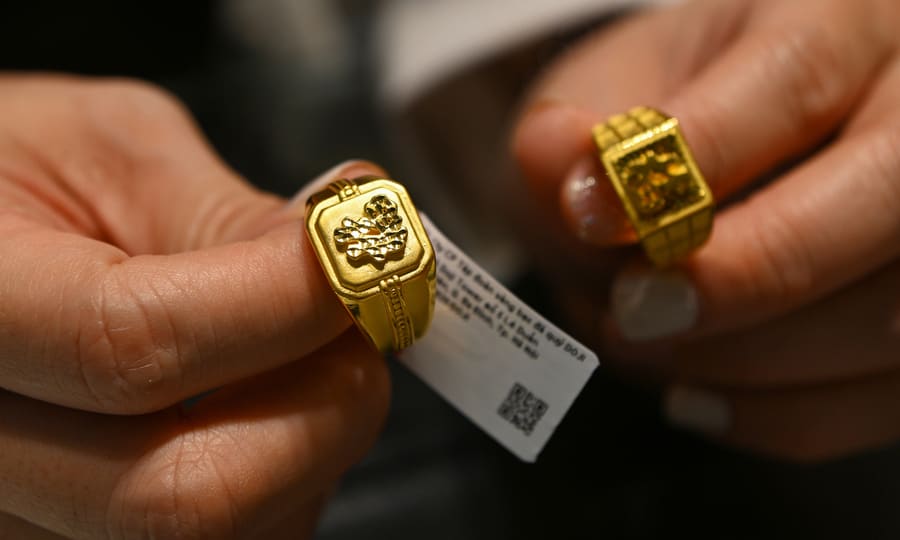
Gold traded in Vietnam fell sharply Thursday morning, marking the lowest level since June 11. Saigon Jewelry Company bars dropped 2.74% to VND142 million per tael, with rings trading at the same price after an identical percentage decline. One tael equals 37.5 grams.
The domestic market has seen sustained pressure this year, with prices down 7.1% year-to-date. The Thursday decline extended a losing streak that has erased gains from earlier in 2026, as both retail and investment demand softened in the face of shifting macroeconomic conditions.
Global Markets Hold Steady
International gold traded around $4,129.40 per ounce Thursday, near a two-week high reached the previous day. The recent bounce came as the U.S. dollar weakened and technical buying emerged, though analysts warned that underlying fundamentals remain challenging for the metal.
Markets are awaiting fresh signals from the Federal Reserve on interest rate policy, with investors split on whether the central bank will maintain its current stance or adjust course in response to inflation data. Meanwhile, ongoing tensions in the Middle East have provided some support, though not enough to offset broader headwinds.
Oil Surge Complicates Outlook
Rising crude prices have emerged as a key factor pressuring gold. Oil climbed more than 3% Thursday morning following supply disruptions in the Gulf region, raising concerns that persistent energy inflation could keep central banks in a hawkish posture longer than previously expected.
Higher interest rates typically reduce the appeal of non-yielding assets like gold, as investors can earn returns from bonds and other fixed-income instruments. The dynamic has created a difficult environment for bullion, which thrived during the ultra-low rate period of recent years but has struggled as policy tightened.
According to Lukman Otunuga, senior research analyst at FXTM, the fundamental picture remains bearish despite short-term technical factors supporting prices. The interplay between geopolitical risk and monetary policy expectations has left gold in a narrow trading range, with neither bulls nor bears able to establish clear momentum.
Regional Dynamics
Vietnam's gold market often moves in tandem with global prices but can experience sharper swings due to local demand patterns and regulatory factors. The domestic premium to international prices has narrowed in recent months, reflecting softer retail appetite and reduced smuggling activity.
Jewelry demand, a major driver of consumption in Vietnam, has cooled as consumers face economic uncertainty and adjust spending priorities. Investment buying has also slowed, with savers exploring alternative assets including bank deposits offering improved yields and equities recovering from earlier losses.
The gap between Vietnam's year-to-date decline of 7.1% and the relative stability of global prices points to specific headwinds in the domestic market. Currency fluctuations, import dynamics, and shifting consumer behavior have all contributed to the divergence.
What Comes Next
The trajectory for gold in the coming weeks hinges on Fed communications and Middle East developments. Any indication that rate cuts could arrive sooner than markets expect would likely provide support, while further escalation in oil prices or hawkish central bank rhetoric could deepen losses.
For Vietnam, the local market will continue tracking global trends while responding to domestic factors including seasonal demand patterns and regulatory adjustments. The June 11 low now serves as a technical floor, with traders watching to see whether prices stabilize at current levels or break lower.
Elevated volatility is likely to persist as markets digest conflicting signals from geopolitical risk, inflation data, and policy guidance. Gold's traditional role as a safe haven has been complicated by the opportunity cost of holding non-yielding assets in a higher-rate environment, leaving the metal vulnerable to sharp moves in either direction depending on which narrative gains traction.
RELATED STORIES

Vietnam Draws $7.5 Billion From Singapore in Seven Months
Priyanka V. Rao · 3 min

Malaysia Hospital Group A1Health Prepares US$1.7 Billion IPO for Early 2027
Tran Quoc Bao · 2 min

Vietnam's VN-Index Climbs Toward 1,800 as Market Sentiment Strengthens
Priyanka V. Rao · 3 min

American Cherry Prices Surge 95% in Vietnam as Harvest Shrinks
Priyanka V. Rao · 2 min
Spot something wrong? Email editor@briefasia.com. We log every correction publicly.