Asia · Trade
U.S. Imposes New Tariffs on Asian Trading Partners Over Forced Labor Claims
Washington announces duties of up to 12.5% on imports from key allies, triggering diplomatic friction across the region
KEY TAKEAWAYS
- ·The United States announced duties of 10% to 12.5% on imports from major Asian trading partners, citing forced-labor concerns.
- ·Asian governments have criticized the tariffs as unilateral and damaging, with several requesting urgent consultations with Washington.
- ·The duties threaten to disrupt supply chains and complicate efforts to deepen economic ties between the U.S. and its Asian allies.
Tariffs Target Key Asian Economies
The United States announced Thursday it will collect duties of between 10% and 12.5% on imports from most major trading partners, a move that places fresh strain on Washington's relationships with key Asian allies. The tariffs, justified under forced-labor provisions, apply to a broad range of goods entering American ports.
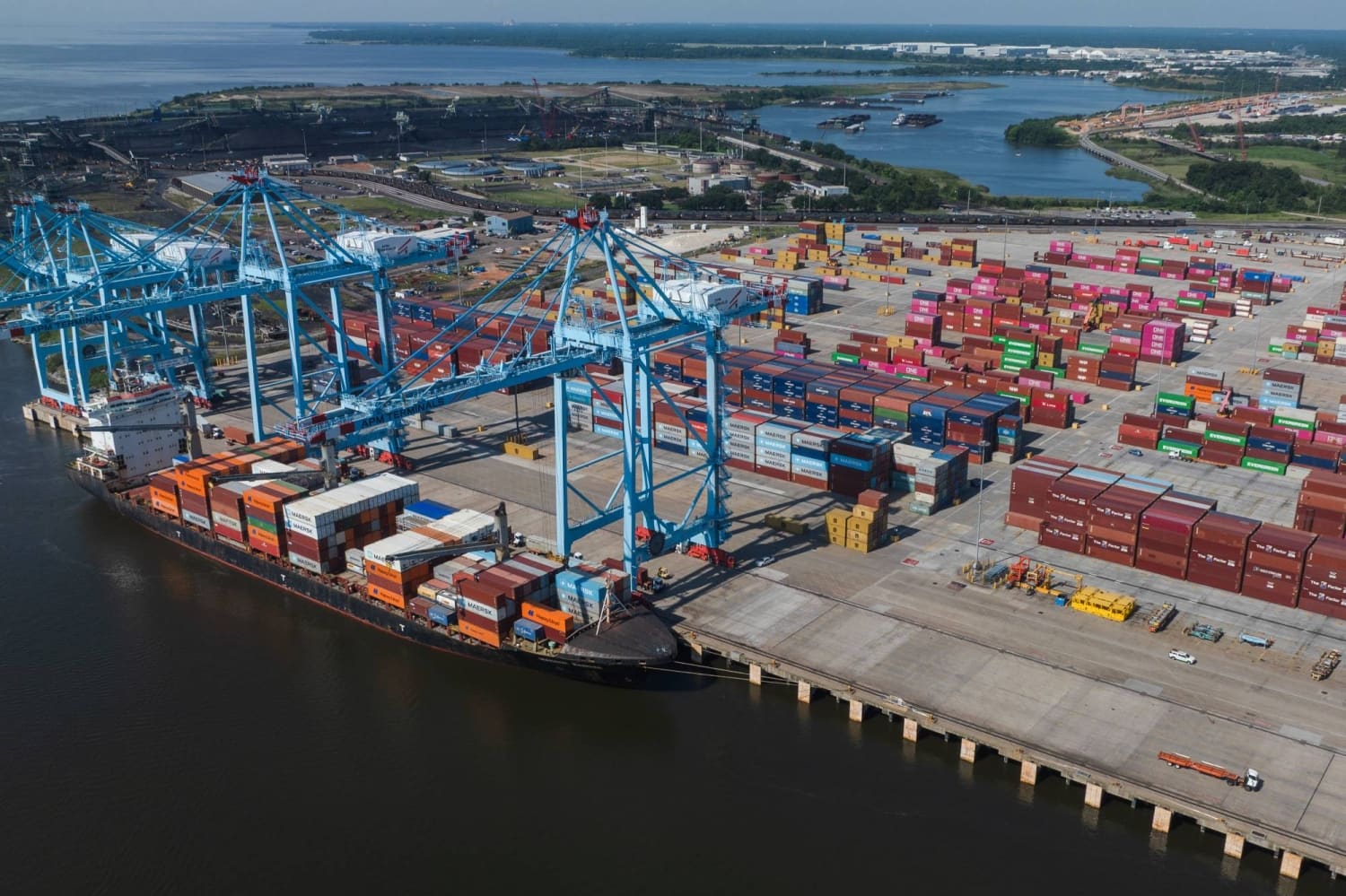
The announcement marks an escalation in U.S. trade enforcement and comes at a moment when supply-chain integration between American companies and Asian manufacturers has never been deeper. Goods flowing through ports from Mobile, Alabama to Long Beach, California now face additional scrutiny and costs.
Asian governments have responded with sharp criticism. Officials from multiple capitals characterize the tariffs as unilateral and damaging to the rules-based trading system that has underpinned regional growth for decades. The duties affect economies that collectively account for hundreds of billions of dollars in annual exports to the United States.
Regional Capitals Respond
Trade ministries across Asia are coordinating their responses. Several governments have requested urgent consultations with U.S. officials, while others are exploring formal dispute mechanisms through international trade bodies.
The forced-labor rationale has drawn particular scrutiny. Asian officials argue that the tariffs lack specificity and fail to distinguish between compliant exporters and those with genuine labor-standard violations. Industry groups in affected countries warn that the blanket approach penalizes companies that have invested heavily in auditing and compliance systems.
For exporters, the immediate impact is financial. A 10% to 12.5% duty can erase margins in sectors where competition is intense and pricing power is limited. Electronics manufacturers, textile producers, and component suppliers are conducting urgent reviews of their cost structures and exploring whether to absorb the duties, pass them to customers, or shift production.
Implications for Trans-Pacific Trade
The tariff announcement complicates efforts to deepen economic ties between Washington and its Asian partners. Several governments had been negotiating bilateral trade frameworks designed to reduce friction and increase investment flows. Those conversations now face an uncertain future.
Asian supply chains are tightly woven into American manufacturing. Components often cross borders multiple times before final assembly, and tariffs at any stage ripple through the entire value chain. U.S. companies that rely on Asian inputs face higher costs, which may ultimately reach American consumers.
The timing is notable. Global trade flows are still recovering from pandemic-era disruptions, and many Asian economies are navigating slower growth and weaker demand from China. Additional tariffs from the United States add a new layer of uncertainty for exporters already managing thin margins and volatile freight costs.
Trade lawyers in Tokyo, Seoul, and Singapore are advising clients on compliance strategies and potential legal challenges. Some companies are accelerating plans to diversify production footprints, though relocating manufacturing capacity is expensive and time-consuming.
What Comes Next
The coming weeks will test whether diplomatic channels can defuse the tension. Asian governments are likely to seek clarity on the evidence underpinning the forced-labor designation and push for narrower, more targeted measures.
If the tariffs remain in place, affected countries may retaliate with their own trade restrictions or pursue formal disputes. Either path would deepen the friction and complicate efforts to stabilize trans-Pacific economic relations at a time when cooperation on technology standards, climate investment, and supply-chain resilience is critical.
For now, exporters are adjusting to a new cost environment, and Asian trade officials are calculating their next moves. The tariffs have introduced fresh uncertainty into a trading system that thrives on predictability, and the consequences will unfold over months, not days.
RELATED STORIES
Southeast Asian Firms Race to Raise Green Debt as Region Falls Behind on Renewables
Priyanka V. Rao · 3 min

CIMB Commits to 55% Dividend Floor as Regional Portfolio Offsets Indonesia Pressure
Priyanka V. Rao · 4 min

Singapore Captures Two-Thirds of Southeast Asian EV Startup Capital
Priyanka V. Rao · 3 min

Singapore Targets High-Value Data Centre Workloads as Neighbors Scale Up Capacity
Cheng Wei-Lun · 3 min
Spot something wrong? Email editor@briefasia.com. We log every correction publicly.