Asia · Trade
US Imposes 10-12.5% Tariffs on 60 Economies Over Forced Labor Enforcement
Presidential memorandum targets Asia's textile, electronics, and assembly exporters under Section 301 action effective July 24
KEY TAKEAWAYS
- ·The United States imposed 10-12.5% import duties on 60 economies effective July 24, 2026, under Section 301 authority citing inadequate forced labor enforcement.
- ·Asian textile, electronics, and assembly exporters in Japan, South Korea, and Taiwan face immediate cost pressures from the new tariff structure.
- ·The action expands Section 301 use beyond intellectual property disputes to link trade penalties directly with domestic labor policy enforcement in foreign jurisdictions.
Sweeping Trade Action Hits Asian Exporters
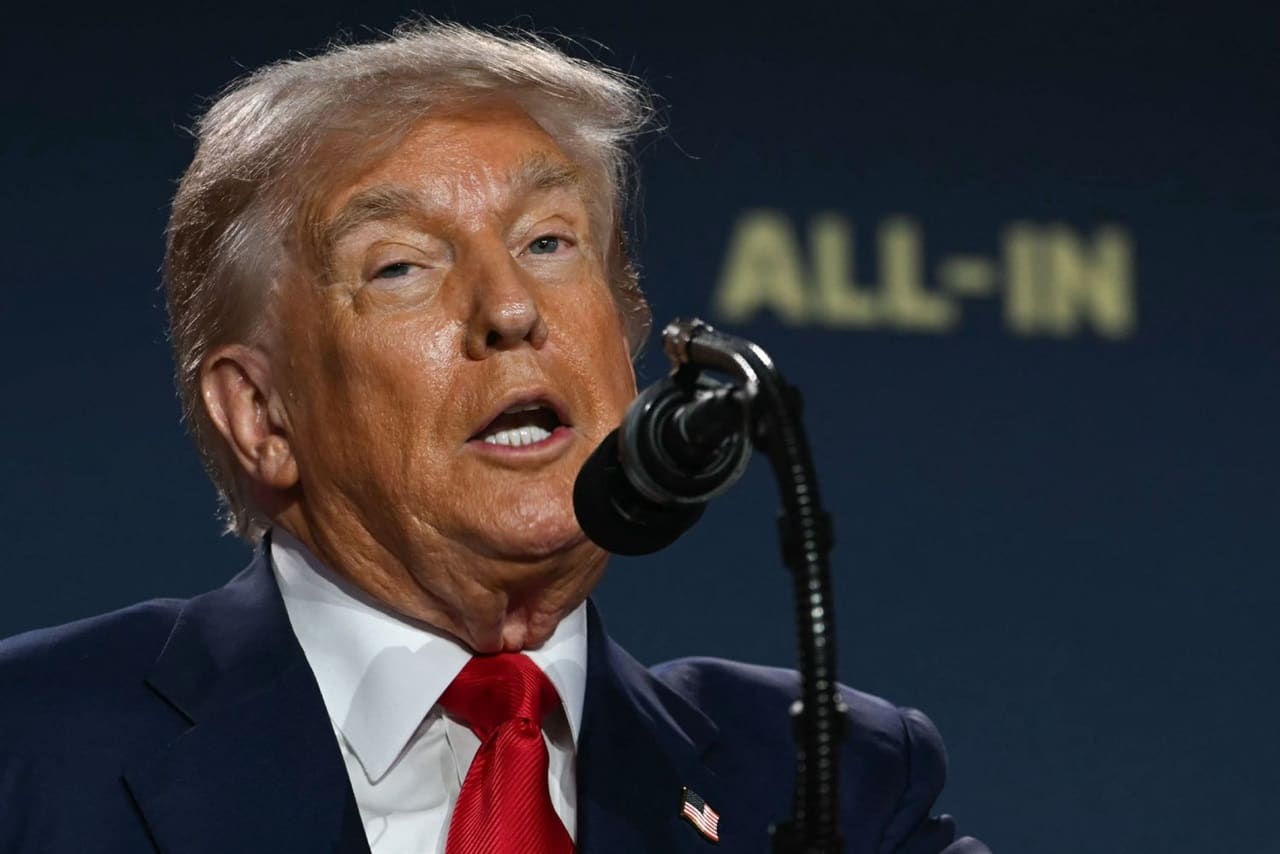
The United States has imposed fresh import duties ranging from 10% to 12.5% on goods from 60 economies, targeting countries the White House says have failed to adequately prohibit or enforce bans on products made with forced labor. The Section 301 action, formalized through a presidential memorandum dated July 23, 2026, became effective at 12:01 a.m. on July 24.
The tariff structure applies broadly across Asia's manufacturing corridors, with Japan, South Korea, and Taiwan among the economies facing the new levies. The action specifically impacts sectors central to the region's export economy: textiles, electronics manufacturing, and assembly operations that feed into global supply chains.
Section 301 of the Trade Act of 1974 grants the US president authority to impose sanctions on foreign countries deemed to maintain unfair trade practices. This latest invocation marks one of the broadest applications of the provision in recent years, encompassing five dozen trading partners simultaneously.
Impact on Regional Supply Chains
The timing and scope of the tariffs create immediate friction for Asian exporters already navigating complex compliance requirements around labor standards. Electronics manufacturers in Taiwan, textile producers across Southeast Asia, and assembly operations in Korea now face additional cost pressures as the levies take effect.
For economies deeply integrated into US-bound supply chains, the 10-12.5% duty range represents a material shift in landed costs. Companies exporting finished goods, components, and intermediate products will need to absorb the tariff burden, pass costs to buyers, or demonstrate compliance improvements that could exempt them from the measures.
The White House justification centers on what it characterizes as insufficient action by the 60 economies to prevent forced labor from entering their export supply chains. The memorandum does not detail specific enforcement failures by individual countries, leaving exporters and compliance teams to interpret the breadth of the administration's concerns.
Enforcement Mechanics and Trade Law Precedent
Section 301 actions historically have targeted intellectual property theft, technology transfer requirements, and market access restrictions. Applying the mechanism to labor standards enforcement represents an expansion of the provision's use, linking trade penalties directly to domestic labor policies and supply chain oversight in foreign jurisdictions.
The tariff structure does not appear to differentiate between economies based on income level, existing labor law frameworks, or participation in multilateral trade agreements. Japan and Taiwan, both parties to various trade compacts with the United States, face the same duty range as less developed manufacturing economies.
For Asian governments, the action poses a policy challenge: demonstrating to Washington that domestic enforcement regimes meet US expectations, while managing the economic fallout for exporters who may have limited visibility into sub-tier suppliers. Textile and electronics supply chains often span multiple countries, complicating efforts to trace labor practices at every production stage.
What Comes Next
The immediate question for affected exporters is whether the tariffs will remain static or serve as leverage for bilateral negotiations. Past Section 301 actions have occasionally led to exemptions or modified duty rates following diplomatic engagement or verifiable policy changes by targeted economies.
Asian trade ministries are likely to seek clarity from the Office of the US Trade Representative on criteria for tariff removal or reduction. Companies, meanwhile, will need to decide whether to pursue supply chain audits, shift sourcing, or accept the new cost structure as a baseline for US market access.
The breadth of the action also raises questions about enforcement consistency. With 60 economies subject to the same memorandum, US Customs and Border Protection will need to apply the tariffs uniformly while managing the administrative load of classification disputes and exemption requests.
For now, goods arriving at US ports from the 60 listed economies are subject to the additional duties unless specific product categories are carved out through subsequent regulatory action. The White House has not indicated a timeline for review or adjustment of the tariff list.
RELATED STORIES
Honda Demands 30% Price Cuts From Suppliers in $9.4 Billion Cost Plan
Cheng Wei-Lun · 3 min
Japan Deploys $96.5 Billion in Currency Intervention to Halt Yen's Slide
Aiko Nakamura · 3 min
Malaysia's Rare Earth Deposits Draw Foreign Interest Ahead of China Export Controls
Priyanka V. Rao · 3 min

Berkshire Hathaway Eyes Larger Stakes in Japan's Top Trading Houses
Cheng Wei-Lun · 3 min
Spot something wrong? Email editor@briefasia.com. We log every correction publicly.