Technology · AI
Unitree Pushes Deeper Into Embodied AI and High-Risk Robot Deployment
Chinese robotics maker sets sights on large-scale AI models, proprietary components, and hazardous-environment applications
KEY TAKEAWAYS
- ·Unitree announced on August 7, 2026, plans to accelerate R&D in embodied AI models, reinforcement learning, and proprietary actuators for advanced robotics.
- ·The company will expand humanoid, quadruped, and mecha robot lines targeting high-intensity and high-risk industrial and hazardous-environment tasks.
- ·China's robotics sector is vertically integrating supply chains and competing with South Korean and Japanese firms across manufacturing, logistics, and eldercare markets.
Embodied AI Takes Center Stage
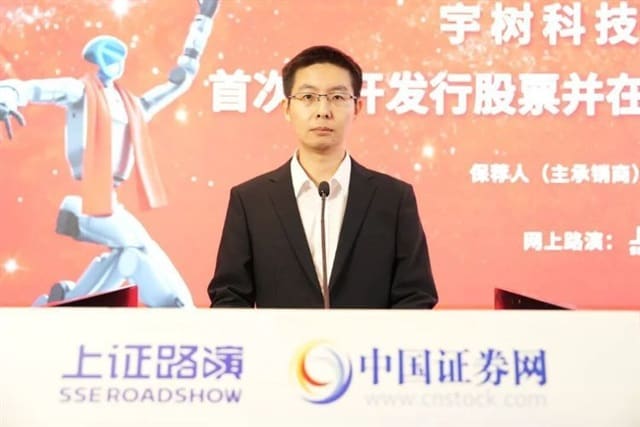
Unitree, the Chinese robotics manufacturer known for its agile quadruped machines, announced on August 7, 2026, a strategic push into embodied artificial intelligence and expanded robot deployment in hazardous environments. The company plans to concentrate R&D investment on large embodied AI models, reinforcement learning frameworks, proprietary core components, and high-performance actuators, according to Unitree.
The announcement signals a shift from general-purpose consumer robotics toward industrial and specialized applications where physical risk and operational intensity demand more sophisticated autonomy. Embodied AI, which integrates perception, reasoning, and action within physical hardware, has emerged as a key differentiator in the robotics sector as manufacturers race to deliver machines capable of operating in unstructured, unpredictable settings.
Three Product Lines in Parallel
Unitree outlined plans to expand three distinct robot categories: humanoid robots, quadruped robots, and mecha systems. The company intends to deploy these platforms into high-intensity and high-risk tasks, though it did not specify which industries or geographies would receive initial rollouts.
Humanoid robots remain a focal point for Chinese manufacturers seeking to compete with Western counterparts in logistics, manufacturing, and eldercare. Quadruped robots, where Unitree has established a foothold with models used in inspection and patrol, offer mobility advantages in terrain unsuitable for wheeled or tracked vehicles. Mecha systems, a less common category in commercial robotics, suggest potential defense, disaster response, or heavy-industrial applications.
The Actuator and Component Challenge
High-performance actuators represent a persistent bottleneck in advanced robotics. The ability to produce torque-dense, energy-efficient motors and servo systems in-house can reduce dependency on foreign suppliers and lower unit costs at scale. Unitree's emphasis on self-developed core components reflects a broader trend among Chinese robotics firms to vertically integrate supply chains amid export controls and geopolitical friction.
Reinforcement learning, the AI technique that enables robots to improve through trial and error, requires substantial compute infrastructure and domain-specific training environments. Companies that master reinforcement learning in physical systems gain a durable advantage in tasks where pre-programmed routines fail, such as grasping irregular objects, navigating debris, or balancing on unstable surfaces.
Asia's Robotics Race Heats Up
China's robotics sector has attracted significant capital and policy support as Beijing prioritizes automation to offset labor shortages and boost manufacturing productivity. Unitree competes with domestic players including Xiaomi, which entered the humanoid robot market in 2023, and state-backed research institutes developing military and dual-use platforms.
Across Asia, South Korea's Hyundai Motor Group and Japan's SoftBank-backed firms continue to invest in humanoid and service robots, while Singapore has become a testbed for autonomous systems in logistics and infrastructure inspection. The region's manufacturing base, aging demographics, and dense urban environments create natural demand for robots that can operate safely alongside humans or in places humans cannot reach.
What Comes Next
Unitree did not disclose timelines for product launches, capital expenditure figures, or partnership agreements. The company's ability to scale production and demonstrate reliability in real-world deployments will determine whether its technology roadmap translates into market share.
As embodied AI matures, the competitive landscape will favor companies that can integrate hardware, software, and data pipelines into cohesive systems. Unitree's commitment to in-house component development and large AI models positions it to capture value across the stack, provided it can execute on engineering and commercialization in parallel. The next twelve months will reveal whether the firm can move from lab prototypes to field-deployed robots operating in the hazardous, high-stakes environments it now targets.
RELATED STORIES

DeepSeek Backs Unitree With $20.8 Million Stake in Shanghai IPO
Cheng Wei-Lun · 3 min

DeepSeek Backs Unitree Robotics With RMB141 Million Pre-IPO Stake
Cheng Wei-Lun · 4 min

WeChat Trials AI Writing Tools in Social Feed as China's Super-App Leans Into Generative Tech
Cheng Wei-Lun · 4 min
SK Hynix Reviews Future of China Packaging Facility Amid $3 Billion Valuation Talk
Cheng Wei-Lun · 2 min
Spot something wrong? Email editor@briefasia.com. We log every correction publicly.