Perspectives · Opinion
Six Decades of Energy Trust: How the UAE and Japan Are Redefining Partnership Beyond Oil
As the Gulf state and Asia's industrial giant enter a new phase of cooperation, their relationship offers a blueprint for energy security in a carbon-constrained world
KEY TAKEAWAYS
- ·The UAE and Japan have sustained an energy partnership for six decades, evolving from oil trade to include LNG and lower-carbon fuels
- ·Both nations are investing in hydrogen, ammonia, and carbon capture to maintain supply continuity as Japan pursues decarbonization goals
- ·The UAE is diversifying export routes including pipelines to bypass Hormuz amid regional security concerns that matter for Japan's energy imports
- ·Trust built over decades through infrastructure investment and consistent supply gives this partnership resilience that spot markets cannot replicate
A Bond Forged in Energy Security
Few bilateral relationships in Asia carry the weight of six decades like the one between the UAE and Japan. What began as a straightforward exchange of oil for technology has matured into a multi-layered partnership that now extends far beyond hydrocarbons. This evolution matters not just for the two nations involved, but for the entire region's approach to energy security and industrial transformation.
The foundation of this relationship was always pragmatic. Japan needed reliable energy suppliers after its post-war reconstruction gathered pace. The UAE, building its own industrial base, required partners who understood long-term commitments. That mutual need created trust, and trust became the currency that allowed both sides to weather oil shocks, currency crises, and shifting geopolitical winds.
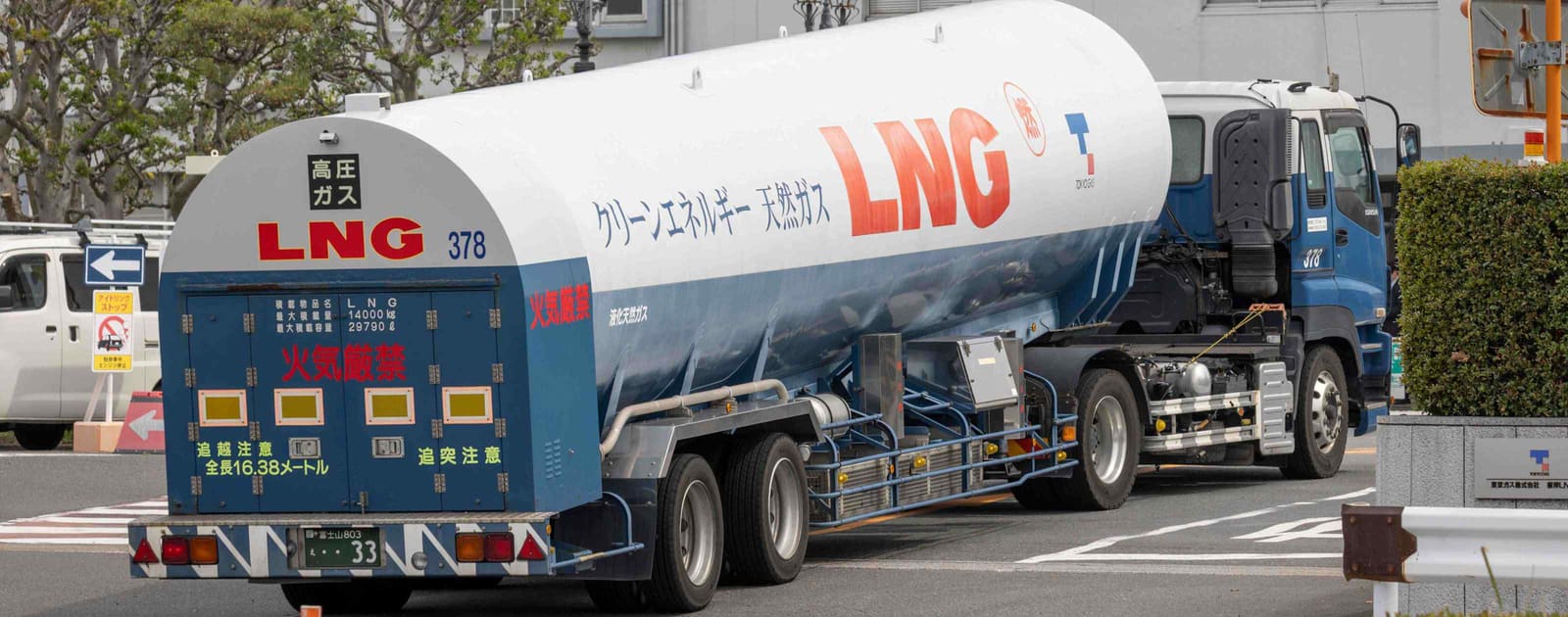
Today, as LNG tankers dock at facilities like Tokyo Gas' Negishi base, they represent more than just fuel deliveries. They symbolize a continuity that has outlasted countless energy market cycles. The UAE has never treated Japan as merely another customer, and Japan has never viewed the Gulf state as just another supplier. That distinction has proven valuable as both navigate the complex transition toward lower-carbon energy systems.
Beyond Transactions to Strategic Alignment
What sets this partnership apart from purely commercial relationships is the willingness of both sides to invest in infrastructure that locks in mutual dependence, in the best sense of the term. The UAE has consistently allocated production capacity to meet Japanese demand, even during tight market conditions. Japan, in turn, has provided technology, expertise, and capital that helped the UAE build one of the world's most sophisticated energy sectors.
This goes beyond oil. Abu Dhabi National Oil Company has expanded its LNG portfolio precisely because Japanese utilities need diversified gas sources. As Iran war spillover concerns persist and Strait of Hormuz vulnerabilities remain real, the UAE and Iraq have been bolstering pipeline capacity to bypass that chokepoint. For Japan, which imports virtually all its fossil fuels, having a supplier that thinks in terms of route diversification and supply resilience is not just convenient, it is existential.
The relationship also reflects a shared understanding of energy realism. Both nations recognize that the transition to renewables will take decades, not years, and that natural gas will play a critical bridging role. Japan's utilities are setting record fuel surcharges for travel seasons, a reminder that energy costs remain a political and economic pressure point. The UAE, through entities like Masdar, is positioning itself as a supplier not just of hydrocarbons but of the clean energy infrastructure Japan will need as it decarbonizes.
Lower-Carbon Fuels and the Next Phase
The partnership is now entering a phase where lower-carbon fuels, hydrogen, ammonia, and carbon capture technologies are moving from pilot projects to commercial scale. Japan's ambition to ignite economic growth with a $2.3 trillion plan includes substantial allocations for energy transition. The UAE, through its Ministry of Industry and Advanced Technology and ADNOC's low-carbon initiatives, is aligning its own industrial strategy with the needs of anchor customers like Japan.
This is not altruism. It is strategic positioning. The UAE understands that maintaining relevance as an energy supplier in a carbon-constrained world requires offering solutions that fit the regulatory and environmental frameworks of major buyers. Japan, facing pressure to reduce emissions while maintaining industrial competitiveness, needs suppliers who can deliver fuels that meet those dual requirements.
Masdar's role as a renewable energy developer, combined with ADNOC's investments in carbon capture and blue hydrogen, gives the UAE a portfolio that few other Gulf producers can match. For Japan, this means continuity of supply even as the definition of energy supply itself changes. The relationship that began with crude oil in the 1960s may well extend into the 2040s and beyond, but the molecules flowing eastward will look very different.
A Model for Regional Energy Diplomacy
What the UAE and Japan have built offers lessons for other Asian economies seeking stable energy partnerships. Trust cannot be purchased in spot markets. It accumulates over time, through consistent behavior, through investments in shared infrastructure, and through a willingness to absorb short-term costs for long-term alignment.
Southeast Asian nations, now scaling back spending as regional spillover from conflicts persists, are watching closely. Oman's trade pact with India, which provides an alternative energy gateway, follows a similar logic of diversification and strategic depth. The UAE's approach with Japan demonstrates that energy security is not just about volume or price, it is about the reliability of the relationship behind the contract.
For the UAE, Japan remains a benchmark customer. Meeting Japanese standards for quality, reliability, and increasingly for environmental performance sets a bar that benefits all of the UAE's energy customers. For Japan, the UAE represents a supplier that understands the political economy of energy in a democracy where blackouts are unacceptable and price spikes can topple governments.
Navigating Transition Together
The next decade will test this partnership in new ways. LNG prices have been slow to normalize despite diplomatic progress on Iran and production restarts in Qatar. Japan's utilities face pressure to secure affordable supply while also meeting decarbonization targets. The UAE must balance its role as a hydrocarbon supplier with its ambitions to be a clean energy hub.
Yet the fundamentals that made this partnership durable remain intact. Both nations understand that energy transitions are managed, not simply declared. Both recognize that supply security and environmental performance are not mutually exclusive. And both have demonstrated a willingness to invest in infrastructure and technology that serves mutual interests, not just immediate commercial advantage.
As the global energy map redraws itself around lower-carbon fuels and new trade routes, the UAE and Japan are not starting from scratch. They are building on six decades of trust, adapting a proven model to new realities. That continuity, in a world of disruption, is itself a strategic asset. The partnership was built to last, and it is showing every sign that it will.
RELATED STORIES

Berkshire Hathaway Eyes Larger Stakes in Japan's Top Trading Houses
Cheng Wei-Lun · 3 min

Honda and Nissan Align on Software-Defined Vehicle Development
Cheng Wei-Lun · 2 min

Japan Deploys $96.5 Billion in Currency Intervention to Halt Yen's Slide
Aiko Nakamura · 3 min
Japan Deploys Record ¥15.39 Trillion to Defend Yen in Two-Month Intervention
Cheng Wei-Lun · 3 min
Spot something wrong? Email editor@briefasia.com. We log every correction publicly.