Finance · Markets
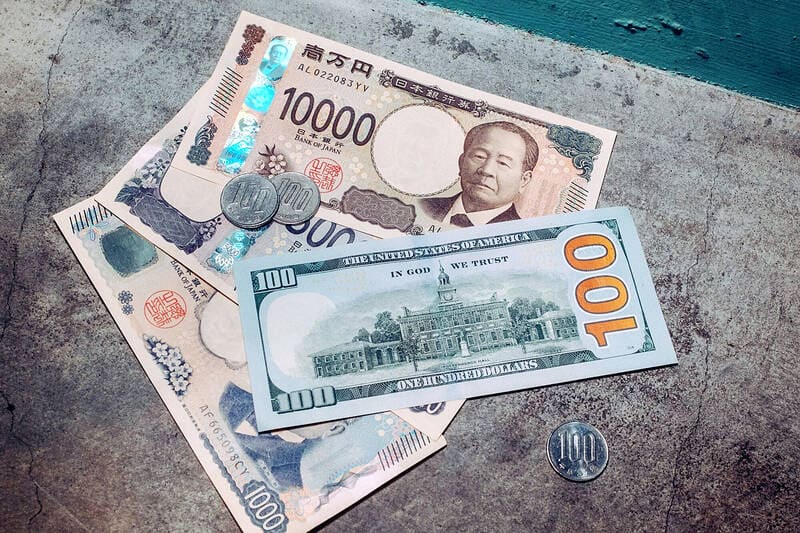
Tokyo and Washington Launch Joint Yen Intervention
Japan's finance minister set to confirm coordinated foreign exchange action after yen touched weakest levels in four decades
KEY TAKEAWAYS
- ·Japan's Finance Minister Satsuki Katayama is expected to announce coordinated yen-buying operations with the US Treasury, following intervention that pushed the currency to ¥157.40 per dollar from near 40-year lows.
- ·Tokyo deployed approximately ¥8.45 trillion on Thursday in what would be its largest single-day intervention ever, while the US Treasury directed the New York Fed to sell euros and buy yen.
- ·Japan's Growth Strategy Minister announced plans to strengthen two-way market communication this month to bolster investor confidence and prevent interest rate increases driven by lost credibility.
Coordinated Currency Action Takes Shape
Japanese Finance Minister Satsuki Katayama is preparing to announce that Tokyo and Washington are coordinating foreign exchange market operations to stabilize the yen, according to a person familiar with the matter. The announcement could come as early as today, with details still being finalized.
Japanese authorities purchased yen and sold US dollars during New York trading hours on Friday, according to a person with knowledge of the operations. By the close of trading, the yen had strengthened to ¥157.40 against the dollar, the strongest level since early May. Just 48 hours earlier, the currency had been trading near its weakest point since 1986.
The sharp rally resulted from a combination of direct currency purchases, official calls to banks that trade the yen, and coordinated messaging from US Treasury Secretary Scott Bessent and Katayama. Bessent signaled American commitment to supporting the yen when a photograph captured a notepad in front of him at a Camp David cabinet meeting on Friday. Under a "To Do" heading, the note read "Buy Japanese Yen (JPY) $5-10 bil."
Scale of Intervention
Japan deployed approximately ¥8.45 trillion (US$52.4 billion) on Thursday, according to estimates comparing Bank of Japan accounts with money broker forecasts. That figure would represent the largest single-day intervention ever conducted by Tokyo.
The yen gained more than 1 percent against both the dollar and euro on Friday, following an intraday surge of over 3 percent versus the dollar on Thursday. An unidentified government official indicated that joint operations remain ongoing.
The Federal Reserve Bank of New York sold euros to buy yen on behalf of the US Treasury Department, according to separate reports. At least two major US banks received inquiries from the New York Fed asking them to check yen-euro exchange rates during the trading day, two people familiar with the matter said.
Policy Communication Shift
Japanese Growth Strategy Minister Minoru Kiuchi announced on Sunday that Japan would intensify two-way dialogue with markets this month to strengthen investor confidence in its growth strategy.
"From this month onward, we intend to strengthen two-way communications with the markets," Kiuchi said during a program on national broadcaster NHK. He emphasized that losing confidence would push up interest rates, adding that the government would explain its policies "consistently and transparently" to address market concerns while responding appropriately to changing conditions.
Regional Currency Pressures
The yen's decline to four-decade lows reflects broader pressures across Asian currencies as capital flows respond to diverging monetary policy paths and shifting global trade patterns. Japan's export-dependent economy faces a delicate balance: while a weaker yen benefits manufacturers by improving competitiveness, excessive depreciation raises import costs and fuels inflation concerns.
The coordinated intervention marks a notable departure from recent US policy, which has generally favored market-determined exchange rates. The willingness of the Treasury Department to participate directly in currency operations suggests Washington views yen stability as strategically important, particularly as economic tensions with China remain elevated and Japan serves as a key anchor for US policy in Asia.
Currency intervention carries risks for both governments. If markets perceive the action as temporary or insufficient, traders may test official resolve by resuming selling pressure. The operation's success will depend on whether the coordinated effort convinces market participants that Tokyo and Washington are prepared to deploy substantial resources to defend a particular exchange rate range.
The joint action also raises questions about future coordination. If the intervention succeeds in stabilizing the yen, other Asian economies facing currency pressure may seek similar support. If it fails to durably shift market sentiment, both governments risk depleting foreign exchange reserves without achieving lasting results.
RELATED STORIES
Yen Climbs to Eight-Month High as Rate Hike Expectations Shift Sentiment
Jun-ho Seo · 3 min
Malaysian Ringgit Gains Ground as Markets Anticipate Fed and BOJ Rate Moves
Tran Quoc Bao · 2 min

Bank of Japan Prepares Third Rate Increase in Ten Months
Aiko Nakamura · 3 min

Japan Wage Growth Hits 29-Year High, Reinforcing Central Bank Rate Path
Aiko Nakamura · 3 min
Spot something wrong? Email editor@briefasia.com. We log every correction publicly.