Finance · Markets
Tokyo Tests Markets With Fresh Intervention as Yen Slips Back Toward Lows
Japan's coordinated currency move with Seoul bought the yen a brief reprieve, but speculators are already pushing back hours before the Bank of Japan decides on rates.
KEY TAKEAWAYS
- ·Japan intervened overnight to buy yen and sell dollars, briefly pulling the currency from four-decade lows before it weakened again to 160.690 per dollar.
- ·Speculators hold $11.65 billion in net short yen positions, near a two-year high, testing Tokyo's resolve despite coordinated support from Washington and Seoul.
- ·The Bank of Japan meets Friday with markets watching for any signal of faster rate hikes to close the gap with U.S. and other major economies.
A Brief Reprieve
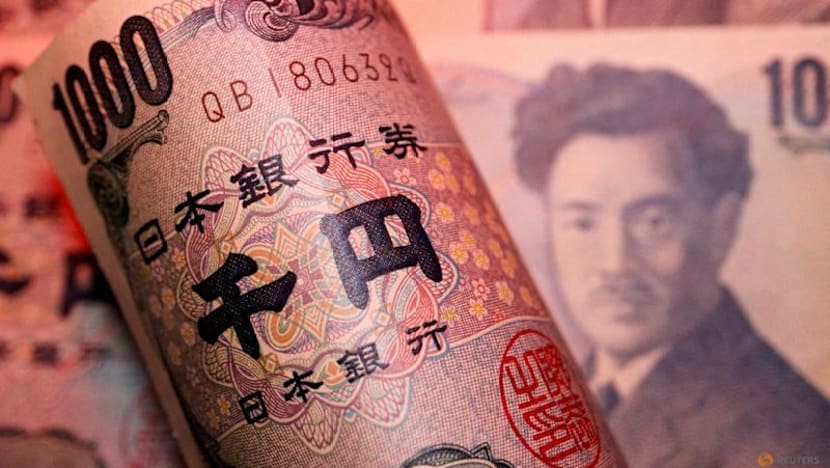
The Japanese yen stumbled back toward weakness on Friday, less than 24 hours after Tokyo staged a coordinated intervention that briefly yanked the currency away from its lowest levels in four decades. The dollar climbed as high as 160.690 against the yen in early Asian trading, reversing a sharp 2.4 percent plunge the previous session that marked the greenback's steepest single-day drop since January 2023.
Japan executed yen-buying, dollar-selling operations during New York trading hours on Thursday, according to a market source. The move came as the yen hovered near levels not seen since the mid-1980s, a reflection of the wide interest rate differential between Japan and other major economies. Tokyo's top foreign exchange official signaled Friday that the United States is providing support that "goes beyond psychological," a rare acknowledgment of coordination between the world's largest and third-largest economies.
In a parallel move, South Korea conducted its own dollar-selling intervention Thursday, according to a separate source. The won surged to a nine-month high before retreating. By early Friday trading, it had given back some gains, sliding more than 0.7 percent to 1,434.26 per dollar.
Speculators Push Back
Markets wasted little time testing Tokyo's commitment. The yen's renewed slide suggests traders remain willing to bet against the currency despite the intervention. Net short positions on the yen stood at $11.65 billion in the latest weekly data from U.S. regulators, close to the highest level in two years.
Chris Weston, head of research at Pepperstone, noted that coordination between Tokyo and Washington should give speculators pause. A sudden 450 to 500 pip move against leveraged positions inflicts real pain, he said. Yet the speed with which the dollar recovered ground indicates that many traders view the yen's structural weakness as intact.
The intervention sets the stage for a closely watched Bank of Japan policy decision due later Friday. The central bank is widely expected to hold its short-term rate steady at 1 percent, having raised it only last month. Most analysts polled by Reuters anticipate another hike to 1.25 percent by year-end, but the BOJ's cautious pace has been a persistent drag on the currency.
Rate Gap Drives Weakness
The yen's slide to 40-year lows stems largely from the gap between Japanese rates and those in the United States and other developed markets. While the Federal Reserve and its peers have tightened aggressively, the BOJ has moved incrementally, keeping borrowing costs far below those available elsewhere. That gap makes yen-funded carry trades attractive, fueling persistent selling pressure.
Nick Twidale, chief market strategist at ATFX Global in Sydney, suggested the scale of Thursday's intervention raises the outside possibility of a surprise rate hike from the BOJ. He called such a move unlikely but noted that pairing intervention with a fundamental policy shift would amplify its impact. Markets will parse the BOJ's statement and press conference for any signal that Governor Ueda is willing to accelerate tightening.
The Federal Reserve's decision this week to leave rates unchanged added another layer of complexity. Traders questioned whether the Fed's new leadership is committed to containing inflation, pushing the dollar lower across the board. The U.S. dollar index fell 0.8 percent Thursday and was on track for a 1.3 percent weekly decline and a 1 percent drop for the month. It edged slightly higher Friday to 100.12.
Broader Currency Moves
The euro traded at $1.1517 in early Asian hours, down 0.08 percent after reaching a six-week high the previous session. Sterling held flat at $1.3460. The Australian and New Zealand dollars each slipped roughly 0.1 percent, to $0.7030 and $0.5871 respectively.
For Tokyo, the intervention represents a high-stakes gamble. Coordinated action with Washington and Seoul lends credibility, but the yen's swift reversal underscores the limits of currency operations without accompanying policy shifts. If the BOJ disappoints with a dovish hold, the yen could resume its slide, forcing Japanese authorities to decide whether to deploy more reserves or accept a weaker currency.
The coming hours will clarify whether Thursday's intervention was a one-off signal or the opening salvo in a sustained campaign. Either way, the episode highlights the tension between Japan's cautious monetary stance and the market forces pushing the yen lower. Speculators have taken note, and the cost of holding short positions just went up.
RELATED STORIES
Yen Climbs to Eight-Month High as Rate Hike Expectations Shift Sentiment
Jun-ho Seo · 3 min

Japan's Central Bank and Markets Diverge on Rate Hike Trajectory
Aiko Nakamura · 3 min

Bank of Japan Prepares Third Rate Increase in Ten Months
Aiko Nakamura · 3 min

Bank of Japan to Continue Rate Increases to Anchor Inflation at 2 Per Cent
Aiko Nakamura · 3 min
Spot something wrong? Email editor@briefasia.com. We log every correction publicly.